
Stress Management Techniques for Modern Life

Modern life moves at an overwhelming speed, leaving many individuals juggling multiple roles and responsibilities. From professional deadlines to personal expectations, the constant pressure can gradually impact emotional and physical well-being. Without conscious awareness, this fast-paced lifestyle can lead to burnout, fatigue, and a sense of disconnection. Recognizing the importance of slowing down and becoming […]
Engaging in Hobbies & Community Activities in Later Life

As individuals enter later stages of life, maintaining an active and fulfilling lifestyle becomes increasingly important. Retirement, reduced responsibilities, and changes in social circles can sometimes lead to feelings of loneliness or a lack of purpose. However, engaging in hobbies and community activities offers a powerful way to enhance well-being, promote social interaction, and create […]
Healthy Coping Mechanisms for Elderly Grief
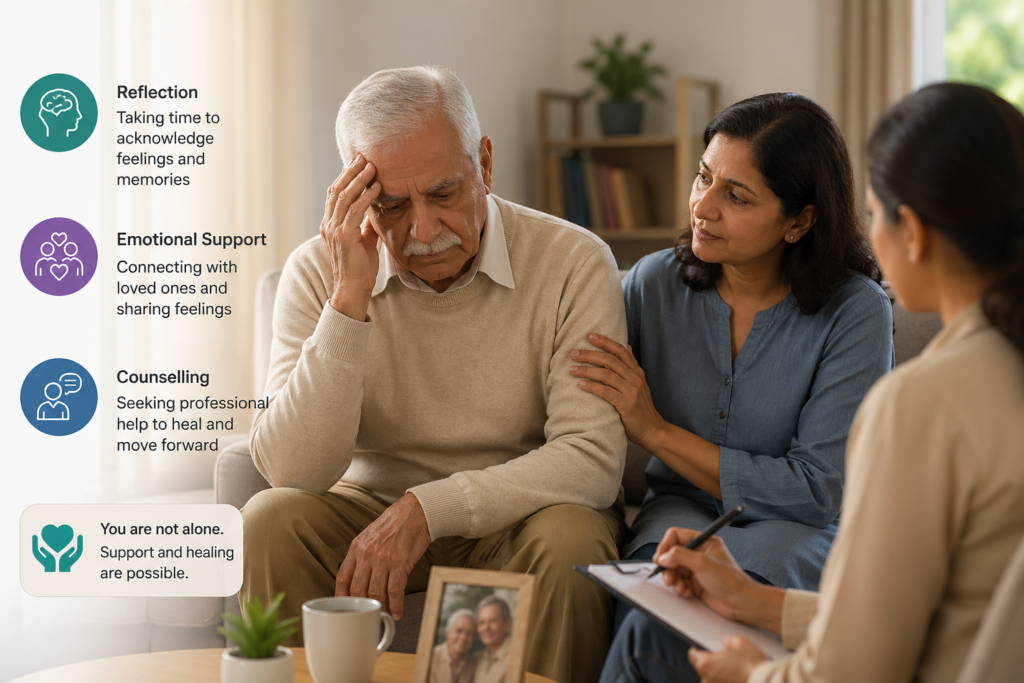
Grief is a natural and deeply personal response to loss, yet for elderly individuals, it can become particularly complex and overwhelming. Aging often brings multiple losses: spouses, friends, physical abilities, independence, and even a sense of purpose. These cumulative experiences can significantly affect emotional well-being, making it crucial to adopt healthy coping mechanisms that support […]
Mental Health Literacy: Why Everyone Should Understand Emotional Well-Being
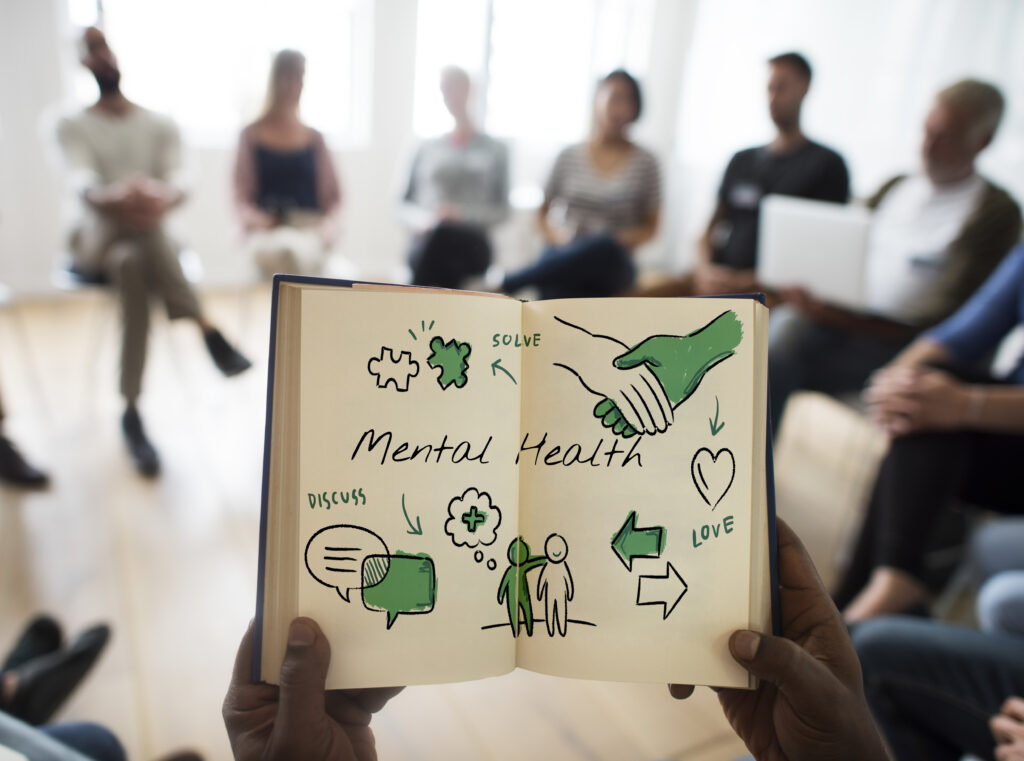
In today’s fast-paced and demanding world, mental health has become just as crucial as physical health. Yet, despite increasing awareness, many individuals still struggle to recognize, understand, and address their emotional well-being. This gap highlights the importance of mental health literacy, an essential concept that empowers people with the knowledge and skills needed to maintain […]
Acceptance vs. Change: What Should You Choose?

In life, we constantly face situations that challenge our sense of control—unexpected losses, relationship conflicts, career uncertainties, or personal struggles. In such moments, a common dilemma arises: should we accept things as they are, or should we try to change them? This question is not just philosophical; it directly impacts our emotional well-being, decision-making, and […]
Identity Loss: “Who Am I Without Them?”

Relationships shape us in profound ways. Whether it is a romantic partner, a close family member, or even a long-term friendship, the people we bond with often become intertwined with our identity. But when that connection ends through breakup, divorce, or loss it can leave behind a haunting question: “Who am I without them?” This […]
Coping with Emptiness & Silence After Loss

Loss is an inevitable part of life, yet it is one of the most emotionally overwhelming experiences an individual can face. Whether it is the loss of a spouse, a close friend, or a family member, the impact can be profound, especially in old age. Years of shared memories, routines, and emotional bonds suddenly give […]
Understanding Grief in Old Age: Losing a Life Partner

Grief is a deeply personal and universal experience, yet its intensity and complexity can vary significantly across different stages of life. In old age, the loss of a life partner is often one of the most profound and life-altering events an individual can face. After decades of shared memories, routines, and emotional interdependence, the absence […]
Can Therapy Help Couples in Their Later Years?
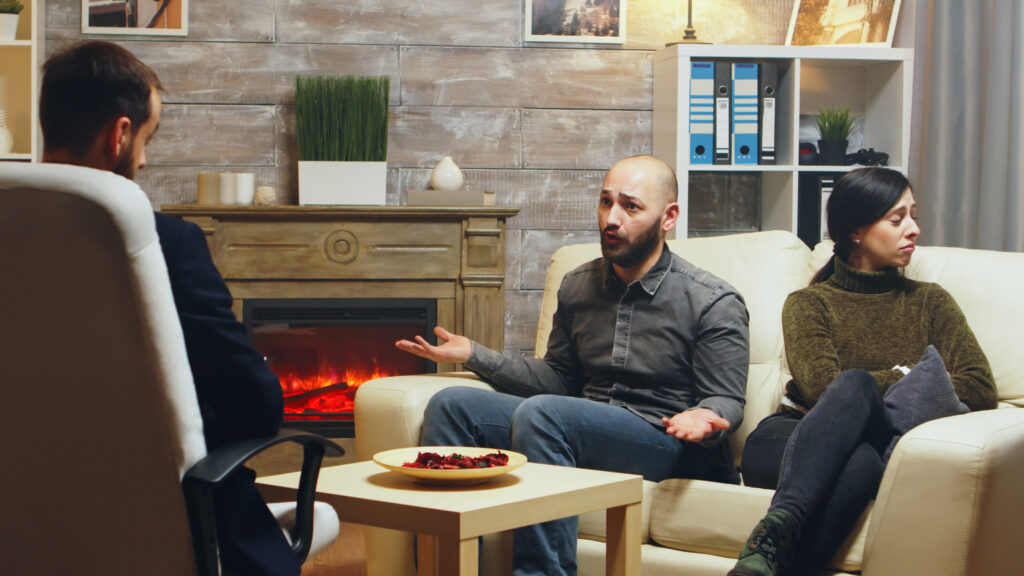
Aging brings significant changes in life, especially within relationships. For couples in their later years, the journey can be both rewarding and challenging. After decades of shared experiences, responsibilities, and transitions, relationships may face emotional distance, communication gaps, or unresolved conflicts. This raises an important question: can couples therapy truly help couples in their later […]
The Science of Healthy Sleep and Why It Matters

Sleep is not merely a period of rest; it is a vital biological process that supports overall health and well-being. During sleep, the body undergoes critical functions such as tissue repair, hormone regulation, and memory consolidation. The brain remains highly active, organising information and processing emotional experiences. Healthy sleep is essential for maintaining physical vitality, […]