
-
Seven Warnings Your Older Parent May Need Expert Physical Therapy

Aging does not automatically mean losing strength, balance, or independence. However, gradual changes in mobility can sometimes go unnoticed until they begin affecting everyday life. An older parent may stop taking walks, avoid stairs, hold onto furniture while moving around the house, or become hesitant about going outside. Families may dismiss these changes as “normal…
-
Mental Wellness for Seniors: How Physical Activity Fights Depression and Loneliness

Ageing is often described as a season of slowing down. What is rarely spoken about, however, is how much this slowing down can weigh on the mind. For many seniors, retirement, the loss of a spouse, shrinking social circles, or simply the natural decline of the body can quietly give way to low motivation —…
-
From the desk of a home-confined senior citizen

-
Care Begins with the Community: Building a Culture of Dignified Ageing

Aging is a social experience influenced by family ties, communities, healthcare systems, financial stability, and chances for meaningful engagement rather than just a biological process. As people live longer, the question is no longer only how to add years to life, but how to ensure that those years are healthy, connected, safe, and dignified. India…
-
The Link Between Hearing Loss & Cognitive Decline in Seniors
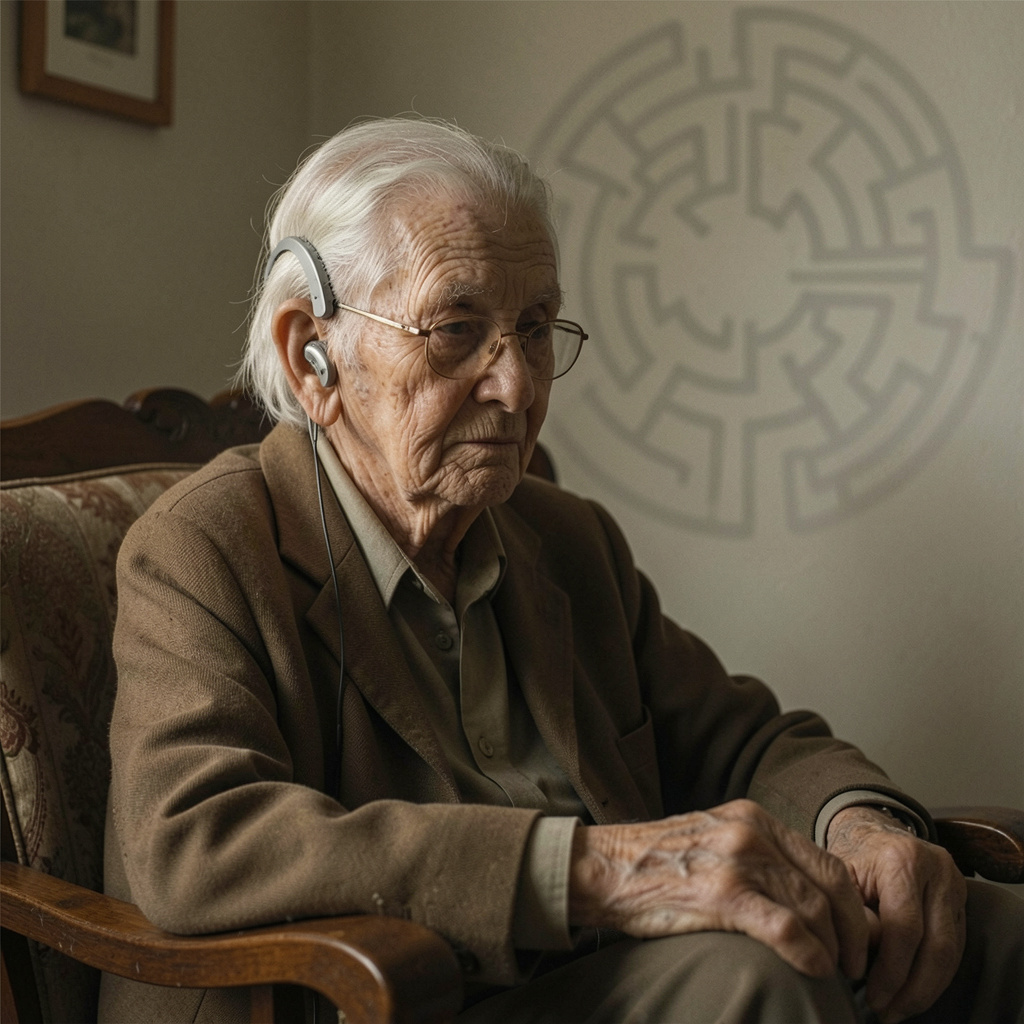
Aging is a natural process that brings several changes in the body and mind. While memory lapses and slower information processing are often considered normal parts of growing older, certain health challenges may increase the risk of significant cognitive decline. One such concern is hearing loss, a condition that affects millions of seniors worldwide. Hearing…
-
Decision-Making Capacity in Older Adults: When Should Families Be Concerned?

Growing older brings wisdom, experience, and a deeper understanding of life, but it can also involve changes in memory, judgment, and the ability to make complex decisions. Many older adults continue to manage their finances, healthcare choices, and daily responsibilities independently. However, families may sometimes notice changes that raise concerns about whether their loved ones…
-
Frontotemporal Dementia vs. Vascular Dementia: Understanding the Differences

Dementia is a broad term used to describe a decline in cognitive abilities severe enough to interfere with daily life. While Alzheimer’s disease is the most recognized form, Frontotemporal Dementia (FTD) and Vascular Dementia (VaD) are two distinct types that differ in their causes, symptoms, progression, and treatment approaches. Understanding these differences is essential for…
-
How to Recognize & Manage Sundowning in People with Dementia

Memory, reasoning, conduct, and the capacity to carry out daily chores are all impacted by dementia, a degenerative illness. Among the many challenges associated with dementia, sundowning is one of the most distressing for both older adults and their caregivers. Sundowning refers to a pattern of increased confusion, anxiety, agitation, or restlessness that typically occurs…
-
How Different Generations View Aging & Older Adults

As everyone experiences aging, different generations have quite different perspectives on the process. Every generation is shaped by its social environment, cultural values, technological advancements, economic conditions, and life experiences. As a result, older adults are viewed differently by Baby Boomers, Generation X, Millennials, and Generation Z. These differing perspectives influence family relationships, workplace policies,…
-
Emotional Dependency vs Healthy Attachment

Relationships play a significant role in emotional well-being, offering companionship, support, and a sense of belonging. However, not every close relationship reflects emotional health. Sometimes, what appears to be deep love or commitment may actually be emotional dependency, where one person relies excessively on another for validation, happiness, or self-worth. In contrast, healthy attachment allows…