
Understanding the Aging Self: Psychological Changes

Aging is often discussed in terms of physical health, but the psychological journey is equally significant. As people grow older, their sense of identity, priorities, emotional responses, and worldview gradually evolve. These changes are not signs of decline; rather, they reflect adaptation to new life experiences, roles, and reflections accumulated over decades. Understanding the aging […]
Aging and the Search for Meaning in Later Life
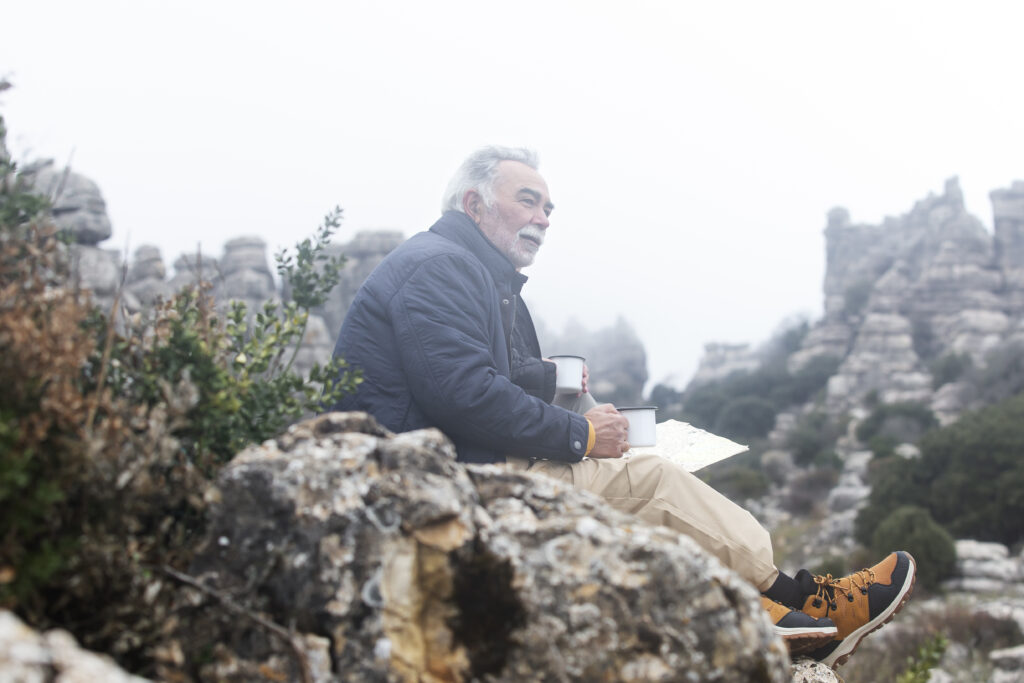
Aging is often described in terms of physical changes—slower movements, health concerns, or retirement from professional life. Yet beyond these visible transitions lies a deeper, more personal journey: the search for meaning. Later life is not simply about growing older; it is about understanding who we are when roles change, responsibilities shift, and time feels […]
Living Fully in Later Adulthood: Well-Being After 60

Crossing the age of 60 is often viewed as the beginning of slowing down, but for many individuals, it can also mark a period of rediscovery, freedom, and renewed purpose. Later adulthood brings changes in routine, physical health, and social roles, yet it also offers opportunities for reflection, personal growth, and meaningful engagement. Living fully […]
Helping Seniors Stay Independent Through Occupational Therapy

Aging is not a decline—it is a transition. For many older adults, the greatest fear is not growing old, but losing independence. The ability to dress oneself, prepare meals, move freely, manage finances, and stay socially connected is closely tied to dignity and self-worth. Occupational therapy plays a powerful role in helping seniors maintain autonomy, […]
Strength in the Senior Years: Resilience in Aging

Aging is often portrayed as a period of decline, dependency, and slowing down. Yet, for many older adults, the later years become a powerful chapter of strength, wisdom, and growth. While physical changes are inevitable, emotional and psychological growth can continue throughout life. The senior years are not merely about surviving change—they are about developing […]
Aging in a Fast World: How Seniors Adapt Emotionally to Rapid Social Change

We live in a time of extraordinary speed. Technology evolves overnight, communication styles shift, workplaces transform, and family structures change faster than ever before. For older adults, this rapid social change can feel overwhelming. While younger generations may adapt more quickly, seniors often find themselves navigating unfamiliar territory—digitally, socially, and emotionally. Yet aging is not […]
Mindfulness and Emotional Wellness for Seniors

The journey into our later years is often imagined as a time of tranquillity, reflection, and the enjoyment of life’s slower pace. Yet, for many seniors, this period is far more complex. Beneath the surface of serene routines, subtle shifts in mental and emotional health may go unnoticed. While society is quick to recognise physical […]
Sleep, Ageing, & Mental Health: Why Rest Matters More After 60

After the age of sixty, sleep becomes a defining factor in mental health and emotional resilience. Contrary to the belief that older adults need less rest, the requirement for restorative sleep remains unchanged, even as the body’s ability to achieve it declines. Disrupted sleep in later life directly affects mood, memory, and the brain’s capacity […]
Aging Without a Manual: Navigating Life Transitions After Sixty

The transition into the seventh decade of life is one of the most profound stages of aging, yet it is also the one most people are least prepared for. While society offers clear guidance for youth—building careers, raising families, and measuring success—there is little conversation about how to age with meaning after sixty. Aging is […]
Resilience in Wrinkles: Psychological Strengths That Come With Age
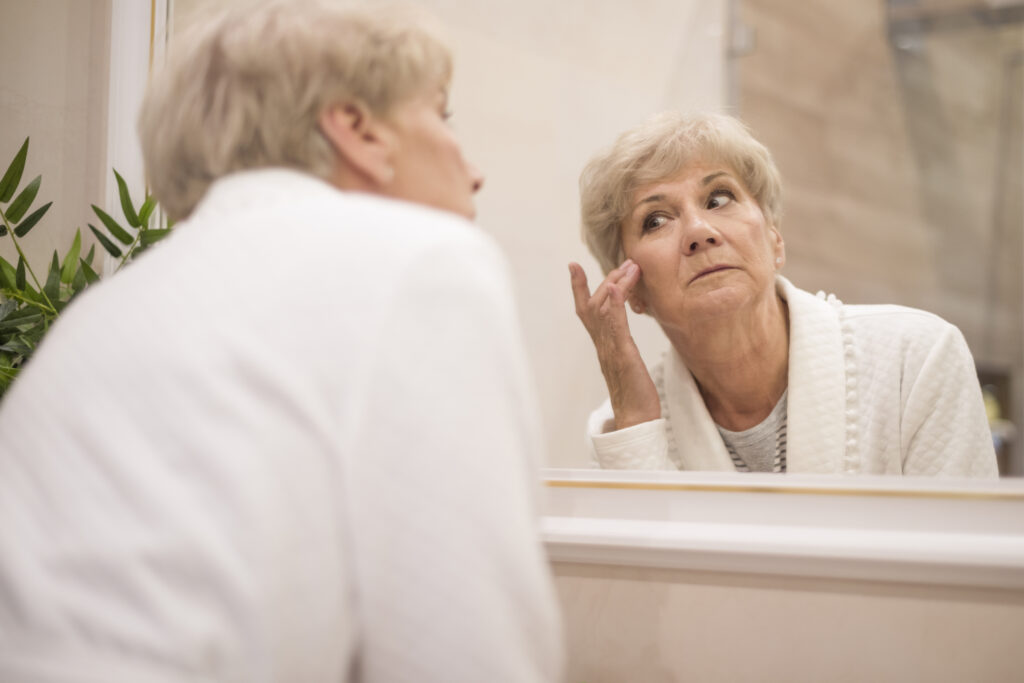
Aging is often framed as decline, a gradual loss of speed and status. Yet clinical psychology highlights the “Paradox of Aging”: despite physical changes, people over sixty report greater emotional stability, resilience, and life satisfaction than younger adults. This strength is earned through experience—each challenge refining perspective and priorities. Rather than fading, later life becomes […]