
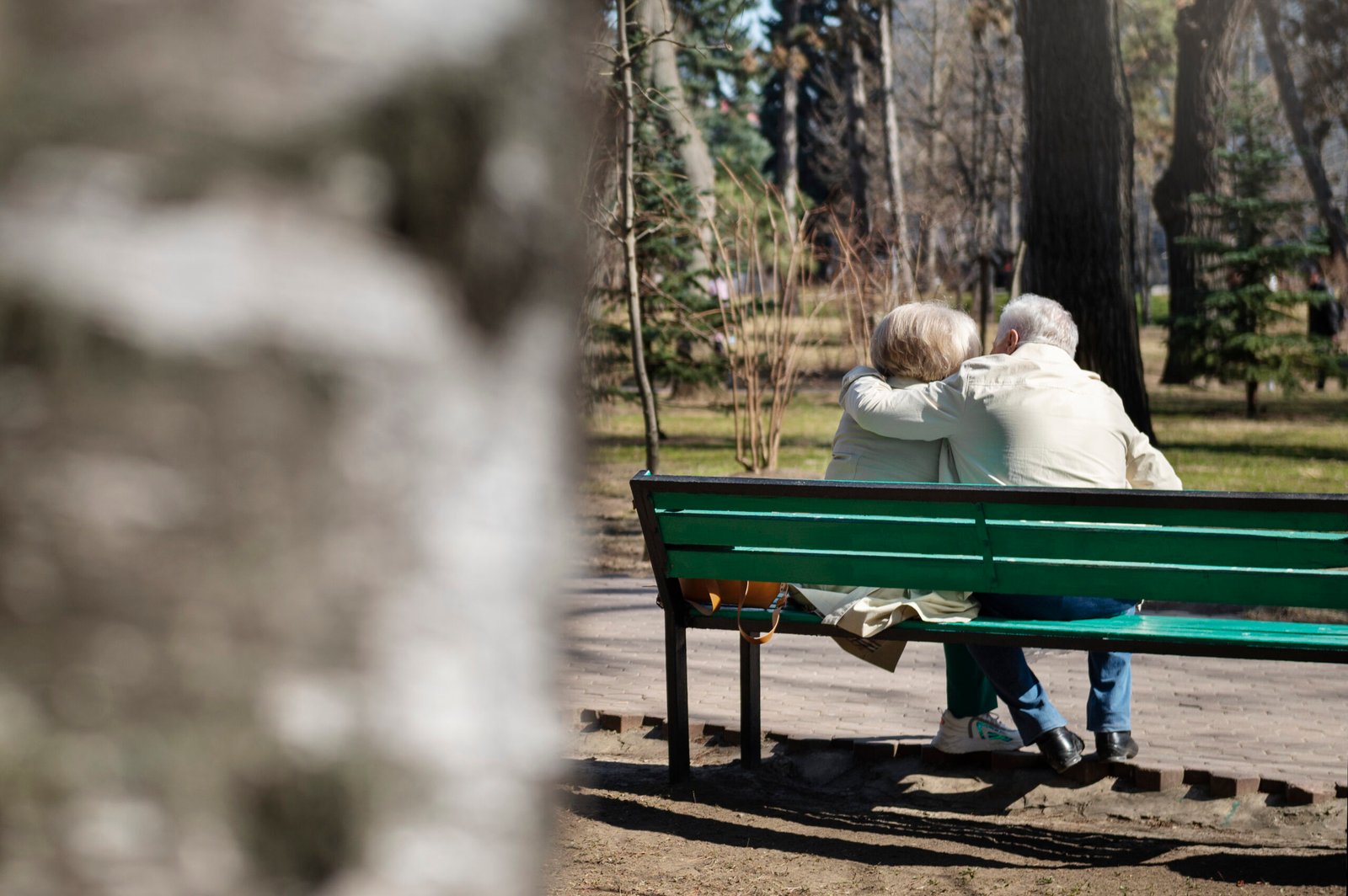
Grief is a universal human experience, yet it often feels especially profound in older adulthood. As people age, losses tend to accumulate of loved ones, physical abilities, social roles, independence, and familiar routines. While grief can occur at any stage of life, its emotional weight in later years is often deeper, more complex, and less openly discussed. Understanding how older adults experience grief and how they can be supported is essential for promoting emotional well-being and dignity in the aging process.
Understanding Grief in Later Life
Grief in older adulthood is not limited to the death of a spouse or close friend. It may also involve anticipatory grief related to declining health, the loss of a long-held career identity after retirement, or the emotional pain of living far from family. Unlike grieving earlier in life, older adults may feel that society expects them to “accept” loss as a natural part of aging, which can lead to their pain being minimised or overlooked.
This unacknowledged grief may become internalised, increasing the risk of depression, anxiety, or emotional numbness. Many seniors hesitate to express their feelings openly, fearing they may burden others or appear weak. As a result, grieving can linger silently, affecting mental, emotional, and even physical health.
Why Grief Hits Harder in Older Adulthood
Several factors intensify grief in later life. One is the shrinking of social circles. As peers pass away or mobility decreases, older adults may have fewer people with whom they can share their emotions. Another factor is cumulative loss; each new loss can reactivate unresolved grief from the past, making emotional recovery more difficult.
Additionally, grief may be compounded by health challenges. Chronic illness, sensory decline, or cognitive changes can limit coping resources, making it harder for older adults to process and adapt to loss. When grieving is paired with loneliness or isolation, it can feel overwhelming and endless.
Emotional and Physical Impact of Unresolved Grief
Unresolved grief does not remain confined to emotions. It often manifests physically through fatigue, sleep disturbances, weakened immunity, or increased pain perception. Emotionally, older adults may experience persistent sadness, irritability, guilt, or feelings of emptiness. Some may withdraw from social interactions, losing interest in activities they once enjoyed.
In some cases, prolonged grieving may be mistaken for dementia or major depressive disorder, leading to delayed or inappropriate support. Recognising grieving as a valid and treatable emotional experience is crucial to ensuring older adults receive the care they deserve.
Healthy Ways Older Adults Can Cope with Grief
Coping with grief does not mean forgetting or “moving on” from loss. Instead, it involves learning how to integrate loss into one’s life while continuing to find meaning and connection. One of the most important steps is allowing space for emotions. Crying, reminiscing, and expressing sorrow are not signs of weakness but essential parts of healing.
Maintaining routines can also provide stability during emotionally turbulent times. Simple daily rituals, morning walks, prayer, journaling, or gardening can offer comfort and a sense of control. Social connection plays a vital role as well; regular conversations with family, friends, or peer groups can reduce feelings of isolation and validate emotional experiences.
The Role of Counseling and Emotional Support
Professional counseling can be especially beneficial for older adults navigating grief. Therapy offers a safe space to express emotions without judgment and helps individuals develop coping strategies tailored to their stage of life. Grief counseling can also address unresolved losses, fears about mortality, and identity changes that often accompany aging.
Support may also come from community-based initiatives. Many seniors find comfort in programs run by a mental health foundation that focuses on emotional resilience, social inclusion, and age-sensitive interventions. Such organisations help normalise conversations around grieving and reduce the stigma associated with seeking psychological help.
Community Support and Non-Profit Initiatives
Community involvement plays a powerful role in healing grief. Programs run by a Non-profit organisation often provide group counseling, peer support sessions, and outreach services for older adults who may not otherwise access mental health care. These initiatives foster belonging and remind seniors that they are not alone in their struggles.
Some organisations also focus on empowerment rather than only emotional care. Through creative engagement, volunteering opportunities, or skill training, older adults are encouraged to rediscover purpose and self-worth even after significant loss. Meaningful activity can be deeply healing, helping individuals shift from a focus on what has been lost to what can still be gained.
Recognising When Additional Help Is Needed
While grief is a natural response to loss, there are times when professional help becomes essential. Persistent feelings of hopelessness, thoughts of death, extreme withdrawal, or inability to carry out daily activities may signal complicated grieving or depression. Early intervention can prevent emotional distress from becoming debilitating and improve overall quality of life.
Families play a critical role here. Listening without rushing to “fix” emotions, encouraging gentle support, and helping older adults connect with resources, whether it is an Ngo near me or a trusted counselor can make a meaningful difference.
Creating a Compassionate Society for the Aging
Supporting grief in later life extends beyond individual coping; it reflects the collective responsibility of families, institutions, and communities. An age-inclusive society recognises that emotional well-being is as important as physical care. When older adults are treated with dignity and provided safe spaces to express vulnerability, healing becomes more accessible.
Several non-governmental organisations in India are actively working toward this vision by integrating emotional support services into elder care frameworks. Initiatives supported by Global Development Foundation (GDF) align with broader goals of Sustainable Development in India, emphasising mental health access, social inclusion, and dignity for ageing populations. These efforts reflect the spirit of the Sustainable Development Goals, which prioritise well-being across the lifespan.
Programs led by institutions often recognised as the Best NGO for mental health frequently combine grief counselling, community engagement, and outreach initiatives that reduce isolation among seniors. Access to professional platforms such as Psychowellness Center and TalktoAngel further strengthens this support network by offering structured psychological care tailored to older adults navigating loss.
When grief is acknowledged with compassion rather than minimised or avoided, older individuals feel validated rather than dismissed. By building accessible systems of care, strengthening local outreach, and fostering intergenerational understanding, society can help seniors process loss in ways that preserve resilience, meaning, and hope.
Conclusion
Grief in older adulthood is layered, deeply personal, and shaped by decades of lived experience. While loss may become more frequent with age, prolonged emotional suffering is not an unavoidable outcome. With timely emotional validation, structured counselling support, and strong community engagement, older adults can find constructive pathways toward healing.
Collaborative efforts involving families, community groups, and organisations such as Global Development Foundation (GDF) contribute to a more supportive ecosystem for seniors. Through initiatives guided by principles of sustainable and inclusive care, and through services provided by mental health platforms like Psychowellness Center and TalktoAngel, older adults are given opportunities to process grief with professional guidance and dignity.
Contributions: Dr R.K. Suri, Clinical Psychologist, and Ms Tanu Sangwan, Counselling Psychologist
References
- https://www.talktoangel.com/blog/5-easy-and-effective-ways-to-deal-with-grief
- American Psychological Association. (2020). Grief, loss, and bereavement.https://www.apa.org
- Bonanno, G. A. (2004). Loss, trauma, and human resilience. American Psychologist, 59(1), 20–28.
- National Institute on Aging. (2021). Grief and mourning.https://www.nia.nih.gov
- Shear, M. K. (2015). Complicated grief. The New England Journal of Medicine, 372(2), 153–160.
- World Health Organization. (2017). Mental health of older adults.https://www.who.int