
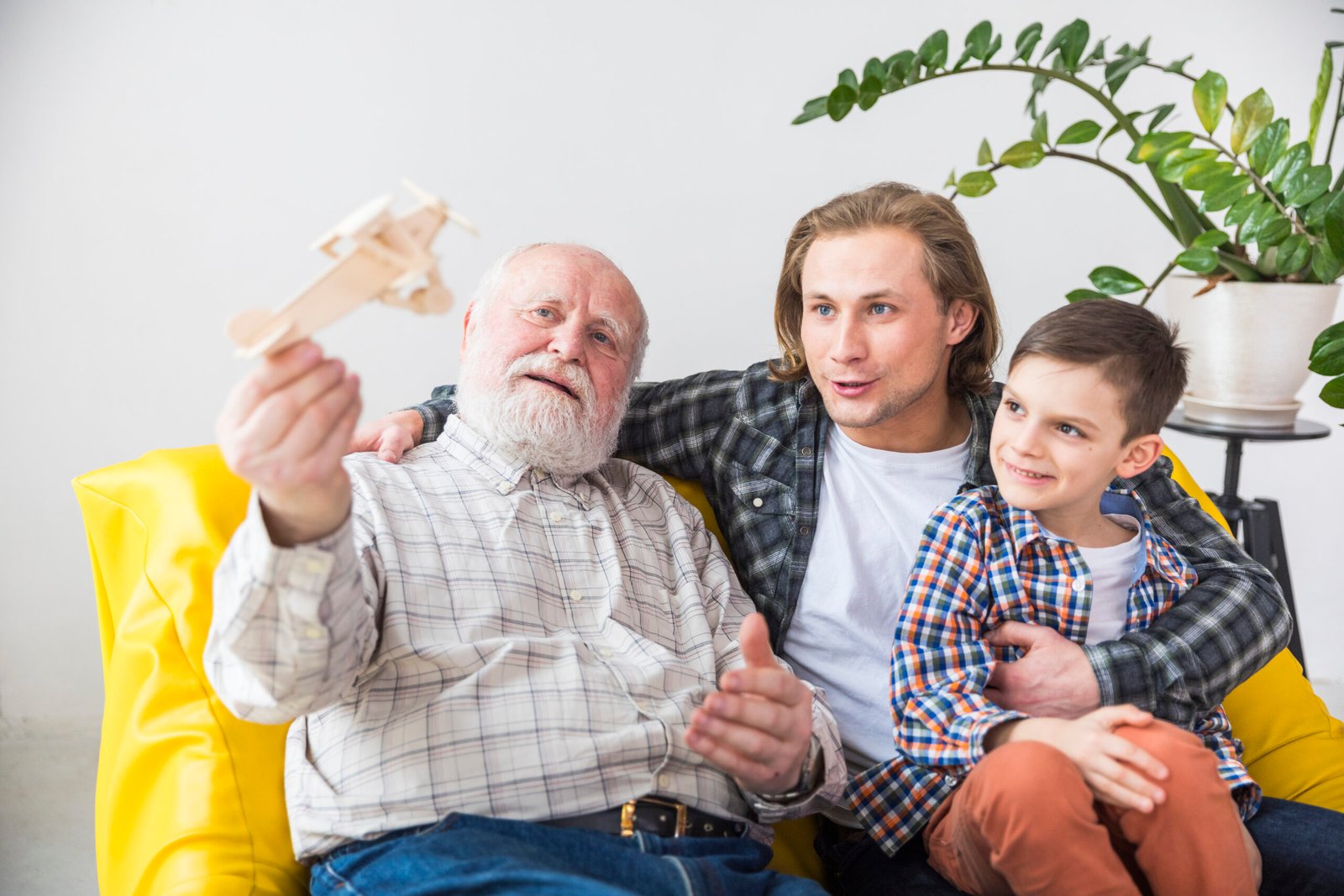
India has long been known for its strong family values, where older adults traditionally lived within joint families, surrounded by children, grandchildren, and relatives. This structure offered emotional security, shared responsibilities, and a sense of belonging in later life. However, rapid urbanisation, migration, changing aspirations, and economic pressures have gradually reshaped Indian households. The rise of nuclear families has significantly altered how older adults experience ageing, care, and emotional support.
Understanding this shift is essential to addressing the evolving psychological and social needs of India’s ageing population.
The Traditional Joint Family System and Ageing
In the traditional joint family system, elders were often regarded as the moral and emotional anchors of the household. They played a key role in decision-making, child-rearing, and preserving cultural traditions. Daily interactions with family members provided companionship, purpose, and emotional reassurance.
For older adults, this structure acted as a natural support system. Physical dependence, health concerns, and emotional vulnerabilities were managed collectively. Loneliness was rare, and ageing was viewed as a respected phase of life rather than a burden.
The Rise of Nuclear Families in Modern India
Over the past few decades, India has witnessed a steady rise in nuclear families. Employment opportunities in cities, higher education, dual-income households, and global mobility have contributed to smaller family units. While this shift has brought independence and privacy for younger generations, it has also created new challenges for older adults.
Many seniors now live alone or with only a spouse, often far from children who work in other cities or countries. Even when families live nearby, busy schedules may limit meaningful interaction. As a result, ageing in a nuclear family structure can sometimes feel emotionally isolating, despite financial stability.
Emotional Impact on Older Adults
The emotional consequences of these changing family dynamics are significant. Older adults raised with expectations of shared living may struggle with feelings of abandonment, invisibility, or loss of purpose. Reduced social interaction can lead to loneliness, anxiety, and depression, especially after retirement or the loss of a spouse.
In joint families, elders often feel needed and valued. In nuclear setups, they may feel hesitant to express emotional needs, fearing they might interfere with their children’s independence. This emotional silence can gradually erode mental well-being if not addressed with empathy and support.
Changing Caregiving Patterns
Caregiving has also evolved with family structures. In joint families, caregiving responsibilities were distributed among multiple members. In nuclear families, caregiving often falls on one individual or is outsourced to domestic help or institutions. While professional care can meet physical needs, emotional connection and companionship may still be lacking.
This shift highlights the importance of community-based mental health services and awareness initiatives. Organisations working as mental health foundations play a crucial role in bridging this gap by offering counselling, support groups, and outreach programs tailored to older adults and their families.
The Role of Community and Social Support
As family structures change, communities are becoming increasingly important in supporting older adults. Senior citizen groups, neighbourhood associations, and day-care centres for elders offer opportunities for social interaction and emotional expression.
Many older adults find renewed purpose through volunteering, mentoring, or participating in cultural activities. Programs run by a non-profit organisation often focus on creating inclusive spaces where seniors feel heard, respected, and socially connected, regardless of whether they live in joint or nuclear families.
Adapting to Change: Strengthening Emotional Resilience
Ageing well in modern India requires adaptability from both families and older adults themselves. Open communication within families can prevent misunderstandings and emotional distance. Encouraging elders to voice their feelings and preferences fosters mutual respect and emotional security.
At the same time, older adults benefit from building resilience through self-care, social engagement, and lifelong learning. Participation in structured activities, including skill training programs, can enhance confidence, cognitive health, and a sense of independence, helping seniors redefine their roles beyond traditional family expectations.
The Growing Importance of NGOs in Elder Care
NGO for elder care, like the Global Development Foundation (GDF), have become vital in responding to the evolving needs of India’s elderly population. Many seniors and families turn to an NGO near me for counselling, legal guidance, healthcare referrals, and emotional support services.
Organisations recognised as the Top NGO of India often integrate mental health care with community engagement, ensuring that older adults receive holistic support. These initiatives complement family care, especially in nuclear households where emotional availability may be limited.
Bridging Generations in a Changing Society
Despite structural changes, the core Indian value of caring for elders remains strong. What is changing is the form this care takes. Technology-enabled communication, flexible living arrangements, and shared responsibility between families and communities can help bridge generational gaps.
Intergenerational bonding through storytelling, shared activities, and regular communication can restore emotional closeness even when families do not live under one roof. Respecting autonomy while ensuring emotional support is the key to healthy ageing in today’s India.
Conclusion
Growing older in India today differs significantly from the past, particularly with the shift from joint to nuclear families. While nuclear structures offer independence, they require more deliberate emotional and social support for elders. Strengthening communication, expanding community resources, and supporting efforts led by Global Development Foundation (GDF), along with accessible mental health services through Psychowellness Center and TalktoAngel, can help ensure seniors age with dignity. Ultimately, compassionate ageing depends on collective responsibility, not family structure alone.
Contribution: Dr. R.K. Suri, Clinical Psychologist, and Ms. Tanu Sangwan, Counselling Psychologist.
References
- Agarwal, S., & Srivastava, A. (2019). Social support and mental health of elderly in India. Journal of Geriatric Mental Health, 6(2), 89–95.
- Government of India. (2021). Elderly population in India. Ministry of Statistics and Programme Implementation.
- National Institute of Mental Health and Neurosciences. (2020). Mental health issues among older adults in India. NIMHANS Publications.
- United Nations. (2020). World population ageing. United Nations Department of Economic and Social Affairs.
- World Health Organization. (2017). Mental health of older adults.https://www.who.int