
Successful Ageing: Evidence-Based Habits for a Longer, Healthier, and Happier Life

Growing older is a natural part of life, but ageing successfully involves much more than simply living longer. Advances in healthcare, nutrition, and preventive medicine have shown that many aspects of healthy ageing are influenced by everyday lifestyle choices. By adopting evidence-based habits that support physical, cognitive, and emotional well-being, older adults can maintain independence, […]
Emotional Resilience in Later Life: How Older Adults Cope with Stress
Later life is often portrayed as a period of rest, wisdom, and greater freedom. While these experiences may be meaningful, aging can also involve major transitions that require psychological adjustment. Retirement, changes in daily routines, chronic health conditions, reduced independence, financial concerns, caregiving responsibilities, bereavement, and changes in social roles may create emotional challenges. However, […]
Understanding the Aging Process: What Changes Are Normal?

Aging is a natural and lifelong process that brings gradual physical, cognitive, emotional, and social changes. While many people associate aging with illness or disability, growing older does not necessarily mean poor health or a loss of independence. In fact, many age-related changes are a normal part of life and can be managed successfully through […]
Is There a New Definition of Old Age? Understanding Healthy Ageing

Advances in healthcare, improved living conditions, and greater awareness of healthy lifestyles have significantly changed the way people experience ageing. Today, many adults remain physically active, socially engaged, and intellectually productive well into their later years. As a result, the traditional definition of old age is evolving from one of decline and dependency to one […]
Mental Health in Adults Over 70: Why It Deserves More Attention
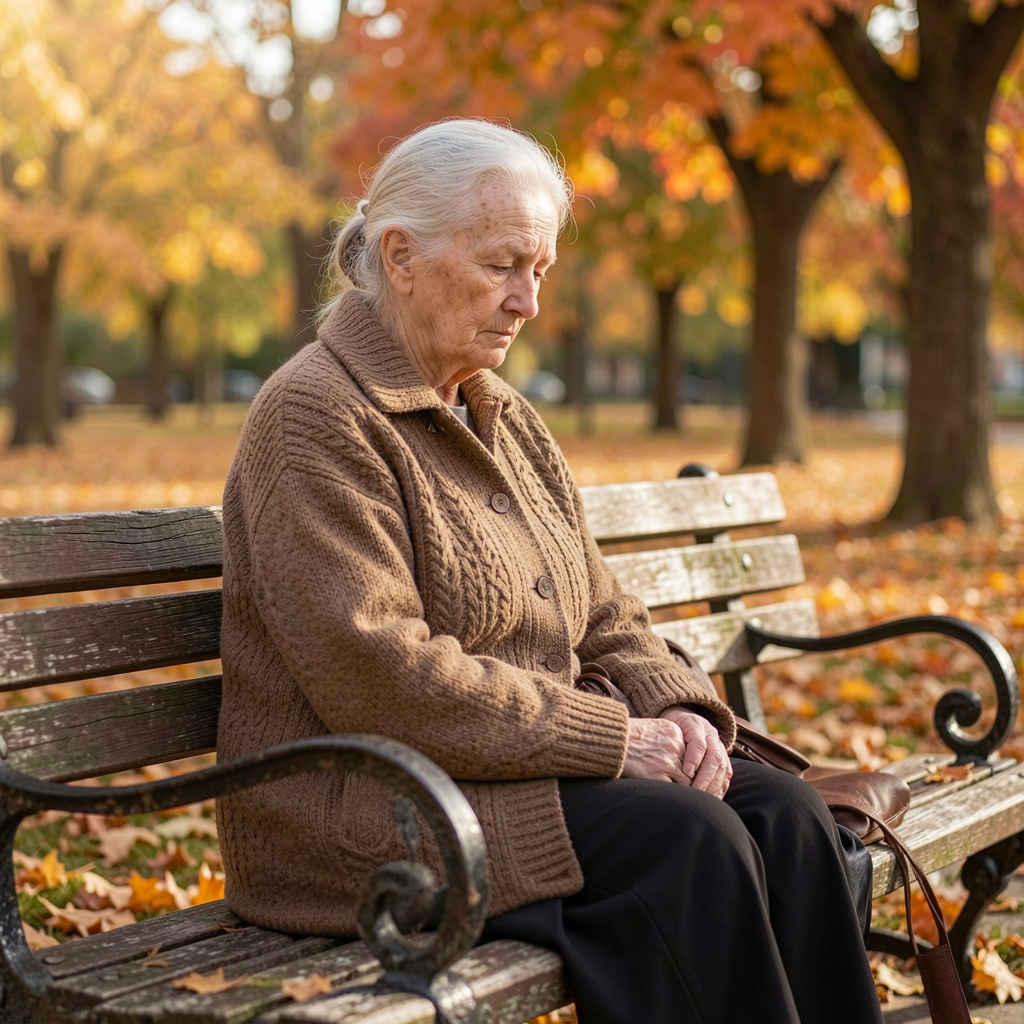
As life expectancy continues to increase, more people are living well into their seventies and beyond. While physical health often receives considerable attention during later life, mental health is frequently overlooked. Emotional well-being is equally important because it influences quality of life, independence, relationships, and overall health. With timely awareness, family support, and appropriate care, […]
Is It Normal for Older Adults to Become More Stubborn or Impulsive?

Older adults bring many physical, emotional, and cognitive changes that can influence the way a person thinks, behaves, and responds to everyday situations. Families often notice that an older loved one who was once flexible and easygoing has become more resistant to change, emotionally reactive, or unexpectedly impulsive. These observations frequently lead to questions such […]
Five Common Challenges Grandparents Face with Generation Z

Grandparents play an important role in providing love, guidance, and emotional support to younger family members. However, the rapid social, technological, and cultural changes experienced by Generation Z have created new dynamics within families. It can occasionally be challenging for grandparents and grandchildren to understand each other due to differences in communication methods, values, and […]
The Importance of Advance Care Planning & End-of-Life Conversations

Talking about the future is often easier when it involves celebrations, milestones, or dreams. However, discussions about serious illness, aging, and the end of life are equally important, even though they are frequently avoided. Many families hesitate to have these conversations because they fear causing emotional distress or believe the topic is too uncomfortable. Unfortunately, […]
How Hobbies & Lifelong Learning Improve Mental Health in Old Age
Growing older is often associated with retirement, physical changes, and shifting family responsibilities. However, aging also presents an opportunity to discover new passions, strengthen existing interests, and continue learning. Engaging in hobbies and lifelong learning is far more than a way to pass time; it is a powerful strategy for preserving mental health, enhancing emotional […]
Retirement & Identity: Finding Purpose After Leaving the Workforce

Many people view retirement as just compensation for decades of arduous labor. While many people look forward to having more free time, the transition from a structured career to retired life can also bring unexpected emotional and psychological challenges. For many individuals, work is more than just a source of income; it provides routine, social […]