
The Best Exercises to Improve Focus & Brain Health in Seniors

Aging is a natural part of life, but growing older does not necessarily mean losing mental sharpness or independence. While certain changes in memory and attention are common with age, research consistently shows that an active lifestyle can significantly improve cognitive functioning and overall well-being. Just as physical exercise strengthens the body, specific activities can […]
Why Older Adults Hide Feelings & How Families Can Help
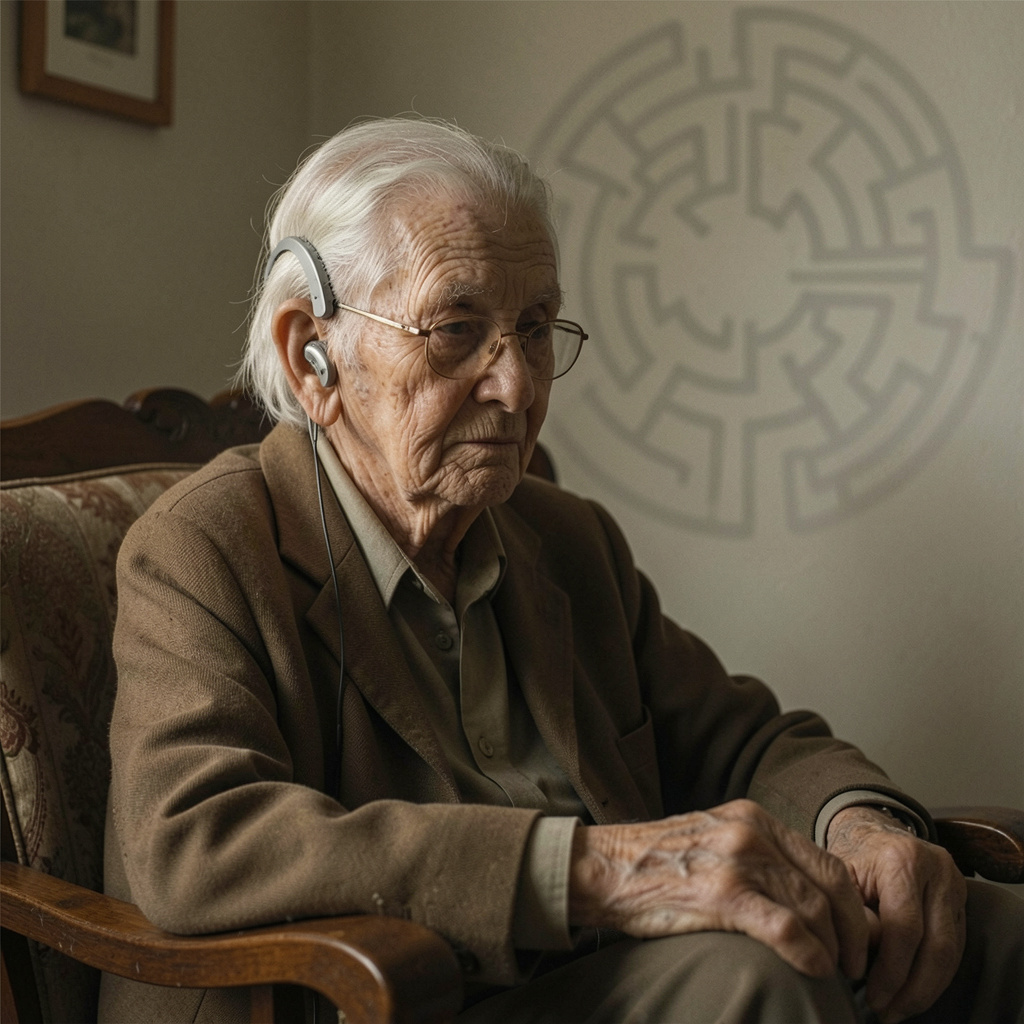
Communication is essential for healthy relationships, yet many older adults become less expressive about their emotions and needs. This silence may sometimes reflect deeper emotional challenges. When seniors stop sharing their feelings, they may experience increased loneliness and emotional disconnection, highlighting the need for a supportive environment where they feel heard and valued. Why Older […]
How to Help Elderly Parents Without Hurting Their Dignity

Ageing is a natural part of life that brings wisdom, experience, and valuable memories. However, growing older may also involve physical limitations, changes in independence, and the need for additional support. For many elderly parents, accepting help can feel emotionally challenging because it may create fears of losing control, becoming dependent, or being perceived as […]
Creating an Age-Friendly Home for Independence & Well-Being
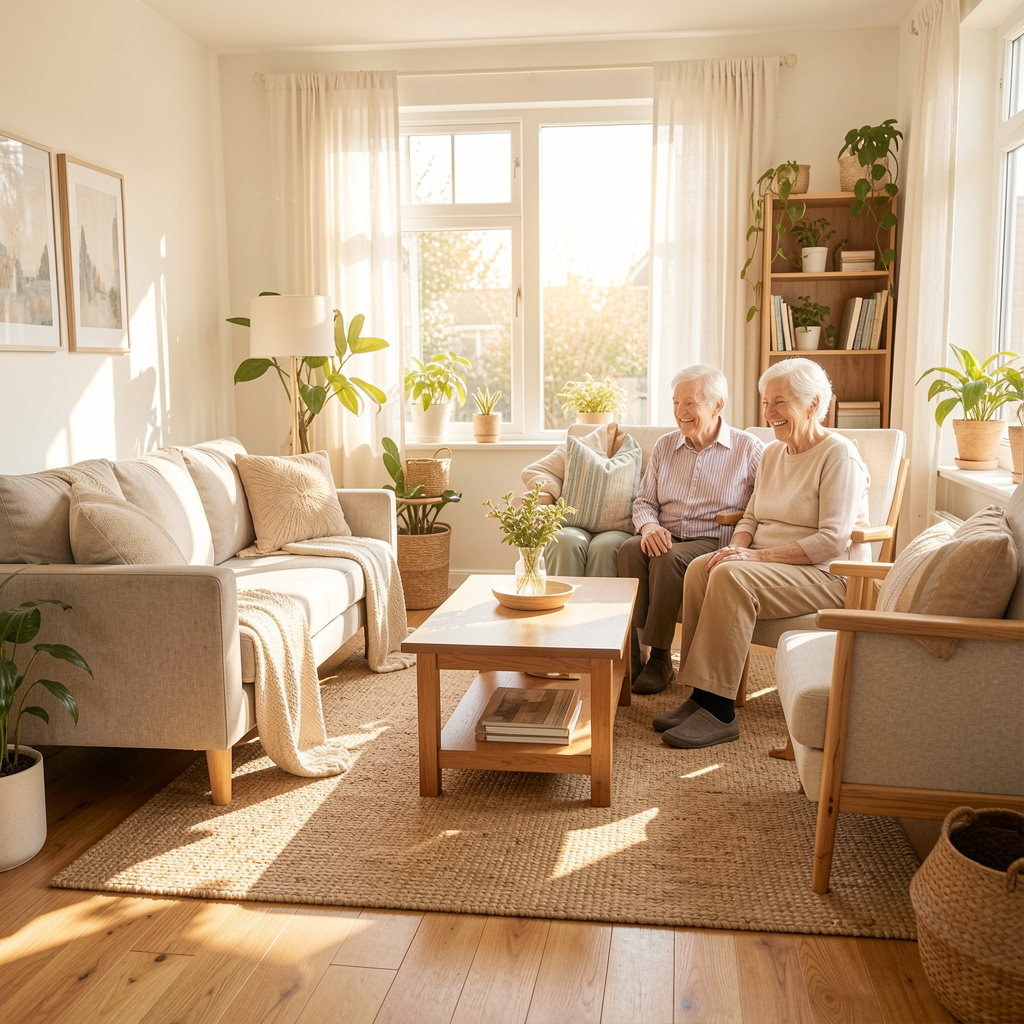
As people grow older, their homes become more than just living spaces; they become environments that influence safety, comfort, independence, and emotional health. An age-friendly home is designed to support changing physical, cognitive, and emotional needs while allowing older adults to maintain dignity and control over their daily lives. With thoughtful modifications and a supportive […]
Recognising Anxiety Disorders in Older Adults: Signs Often Overlooked
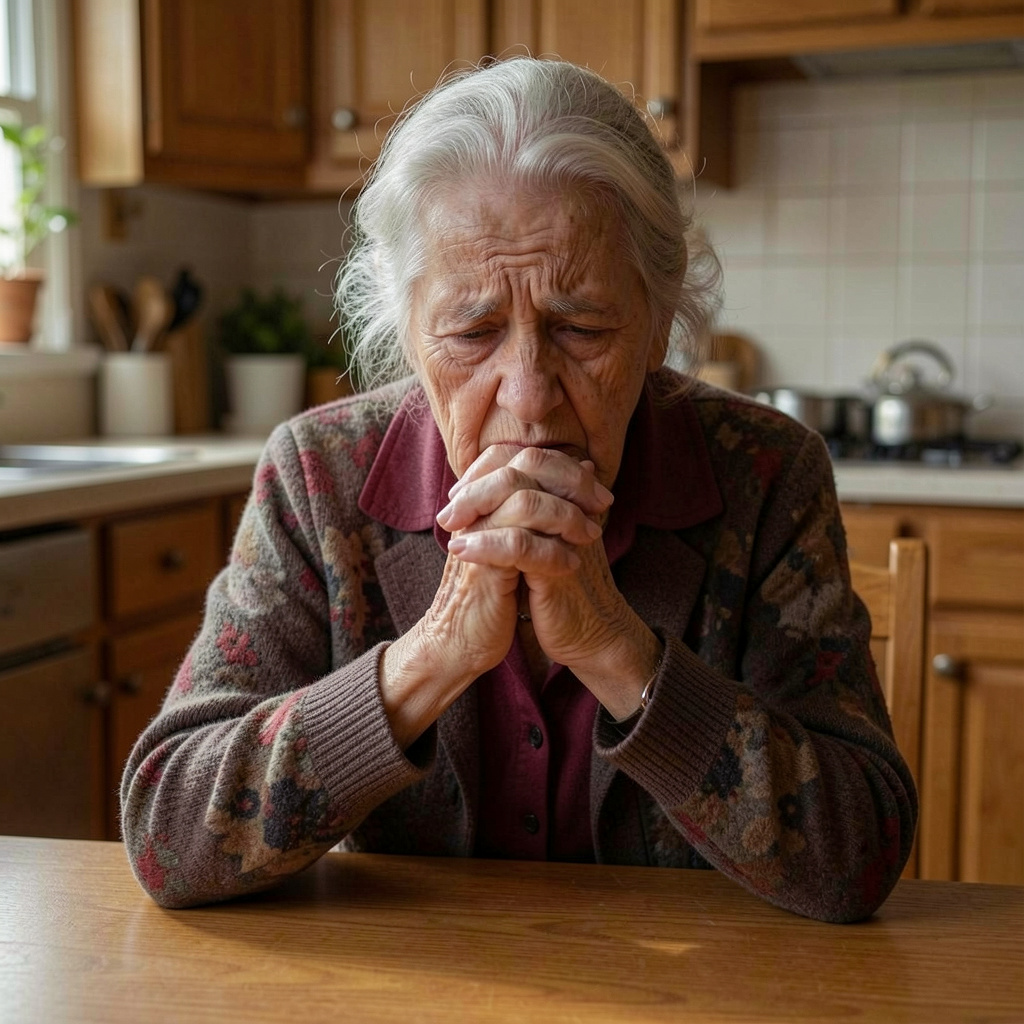
Anxiety is not limited to younger people; older adults can also experience anxiety disorders, often overlooked or mistaken for normal ageing. Life changes such as retirement, health concerns, loss of loved ones, and reduced independence can contribute to persistent worry and distress. Recognising the signs of anxiety disorders in seniors is important, as timely support […]
The Link Between Hearing Loss & Cognitive Decline in Seniors
Aging is a natural process that brings several changes in the body and mind. While memory lapses and slower information processing are often considered normal parts of growing older, certain health challenges may increase the risk of significant cognitive decline. One such concern is hearing loss, a condition that affects millions of seniors worldwide. Hearing […]
Decision-Making Capacity in Older Adults: When Should Families Be Concerned?

Growing older brings wisdom, experience, and a deeper understanding of life, but it can also involve changes in memory, judgment, and the ability to make complex decisions. Many older adults continue to manage their finances, healthcare choices, and daily responsibilities independently. However, families may sometimes notice changes that raise concerns about whether their loved ones […]
The Psychological Benefits of Having a Pet in Later Life

Ageing brings many meaningful experiences, including wisdom, personal growth, and deeper appreciation for relationships. However, later life can also involve significant changes such as retirement, changes in routine, reduced social interaction, and the loss of loved ones. These transitions may affect emotional well-being and overall quality of life. In recent years, research has highlighted the […]
Hurtful Things Grandparents Hear & Their Emotional Impact
Grandparents hold a special place in families, offering love, wisdom, emotional support, and a sense of continuity across generations. Their presence often strengthens family bonds, preserves traditions, and provides valuable guidance to younger family members. However, despite their significant contributions, many grandparents experience emotional pain due to insensitive remarks, neglect, or feeling excluded from family […]
What Determines Life Satisfaction in Older Adults?

Growing older is a natural part of life, bringing new experiences, wisdom, and opportunities for personal growth. While aging often comes with physical, emotional, and social changes, many older adults continue to lead meaningful and fulfilling lives. One of the key indicators of healthy aging is life satisfaction, which reflects how individuals evaluate their overall […]