
The Impact of Social Media on Elders’ Body Image
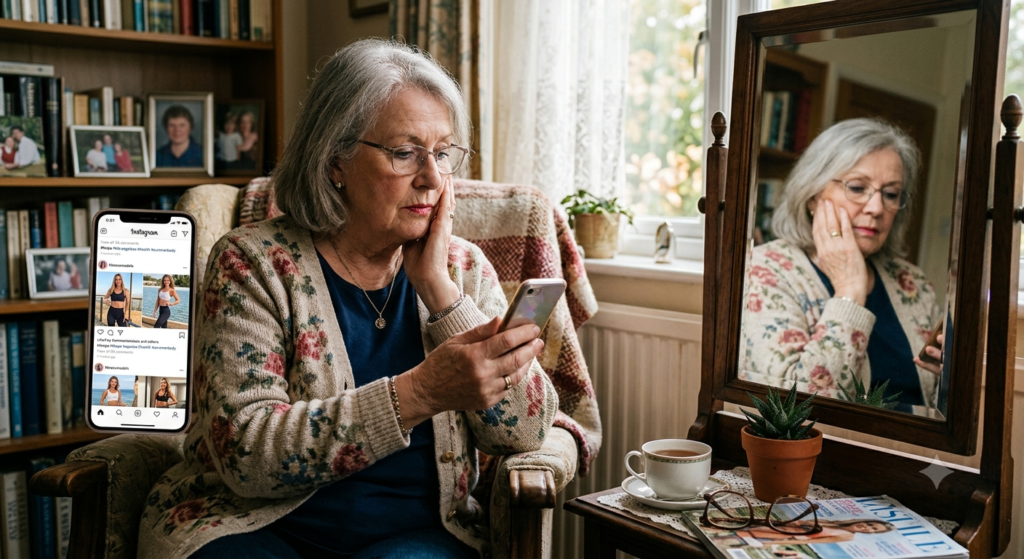
Social media has become an important part of everyday life for people of all ages, including older adults. Many seniors now use digital platforms to stay connected with family, access health information, and engage with online communities. While these platforms offer several benefits, they can also expose older adults to unrealistic beauty standards, age-related stereotypes, […]
How Therapy Helps You Develop Better Coping Skills

Life presents everyone with challenges, from personal setbacks and workplace demands to health concerns and family responsibilities. While some individuals adapt effectively to these situations, others may struggle to manage overwhelming emotions or persistent difficulties. The difference often lies not in the problems themselves, but in the coping skills people use to respond to them. […]
Loneliness in Older Adults: Causes, Consequences, & Solutions
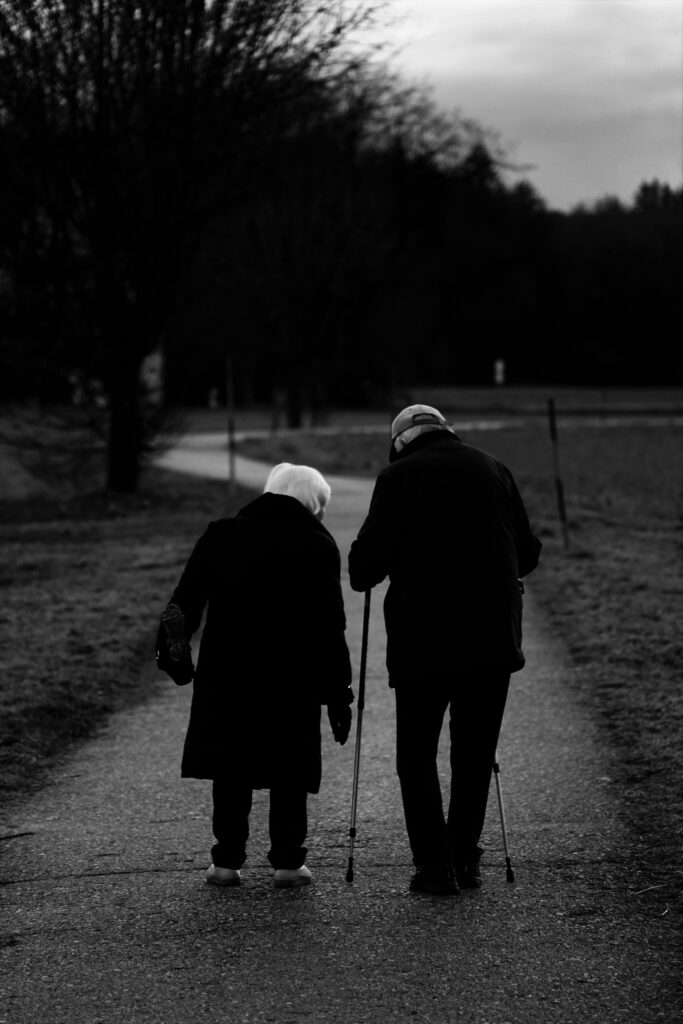
Growing older is often associated with wisdom, life experience, and cherished memories. However, it can also bring significant life changes that affect emotional and social well-being. Retirement, changes in health, the loss of loved ones, and reduced opportunities for social interaction may alter daily routines and increase feelings of disconnection. While spending time alone can […]
Phone Addiction Among Older Adults: Recognising Signs & Finding Balance

Smartphones have become an essential part of everyday life, helping people stay connected, access information, manage finances, and communicate with loved ones. For older adults, mobile technology has brought many benefits, including easier access to healthcare services, social interaction, and entertainment. However, excessive phone use can gradually develop into phone addiction, interfering with daily routines, […]
Exercise & Emotional Well-Being: How Movement Boosts Brain Health

Modern life places significant demands on both the mind and body. Long work hours, academic pressures, changing lifestyles, and reduced opportunities for recreation can affect overall well-being. As awareness about holistic wellness continues to grow, researchers and healthcare professionals increasingly recognize the important relationship between physical movement and emotional functioning. Exercise is no longer viewed […]
Support Groups & Therapy for Elderly Grief
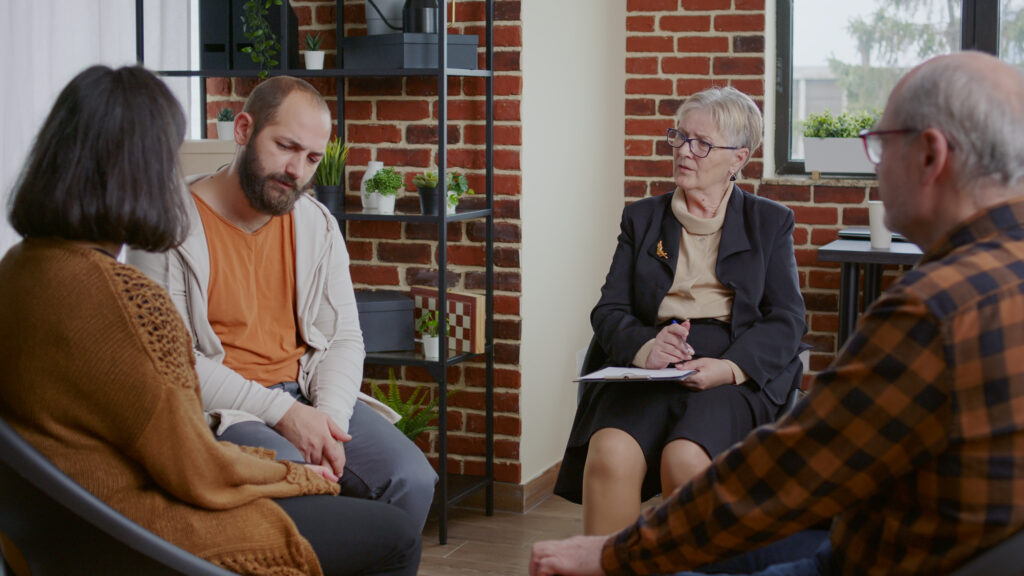
Grief is a natural response to loss, but for older adults, it can become particularly challenging. As people age, they may face multiple losses, including the death of a spouse, close friends, siblings, or even a sense of independence due to health changes. These encounters can cause severe emotional suffering that has an impact on […]
The Role of Mindfulness in Stress Management

Stress has become an inevitable aspect of contemporary life. Whether it stems from work responsibilities, academic pressure, financial concerns, family obligations, or social expectations, prolonged stress can negatively impact both physical and psychological well-being. In recent years, mindfulness has emerged as one of the most effective and accessible tools for managing stress. Rooted in ancient […]
Late-Onset Schizophrenia: When Psychosis Appears After 60
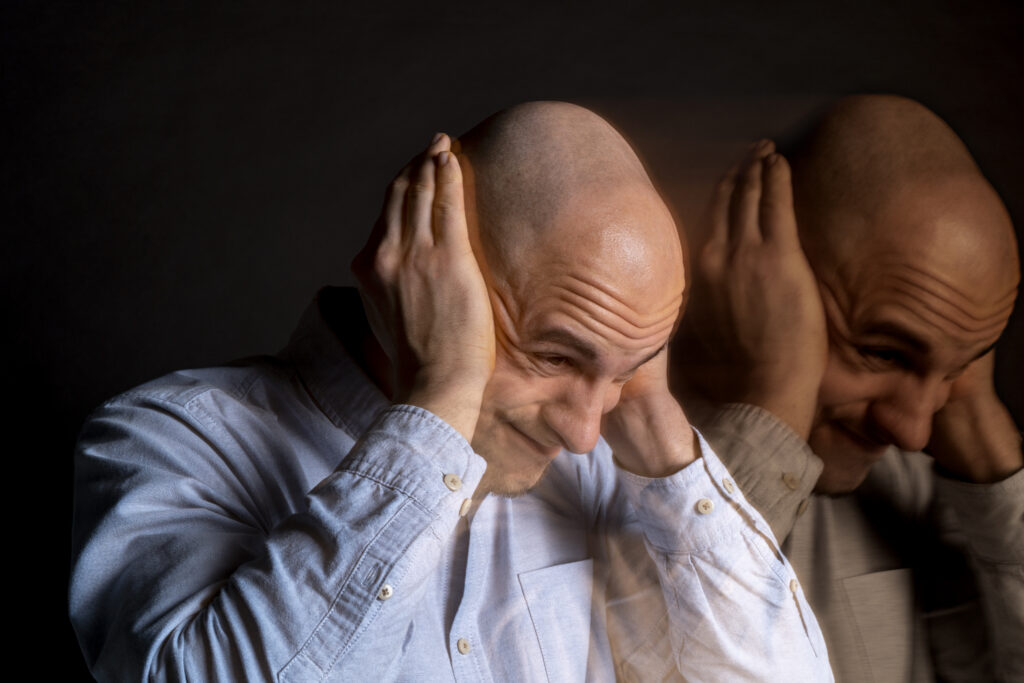
Mental health conditions in older adulthood are often misunderstood or overlooked. Among these conditions, schizophrenia that develops after the age of 60 presents unique emotional, social, and medical challenges. Late-onset psychosis may include hallucinations, suspicious thoughts, confusion, or withdrawal from social interaction. Because these symptoms can resemble dementia or neurological disorders, diagnosis is often delayed. […]
Why Do Marital Conflicts Increase in Old Age?
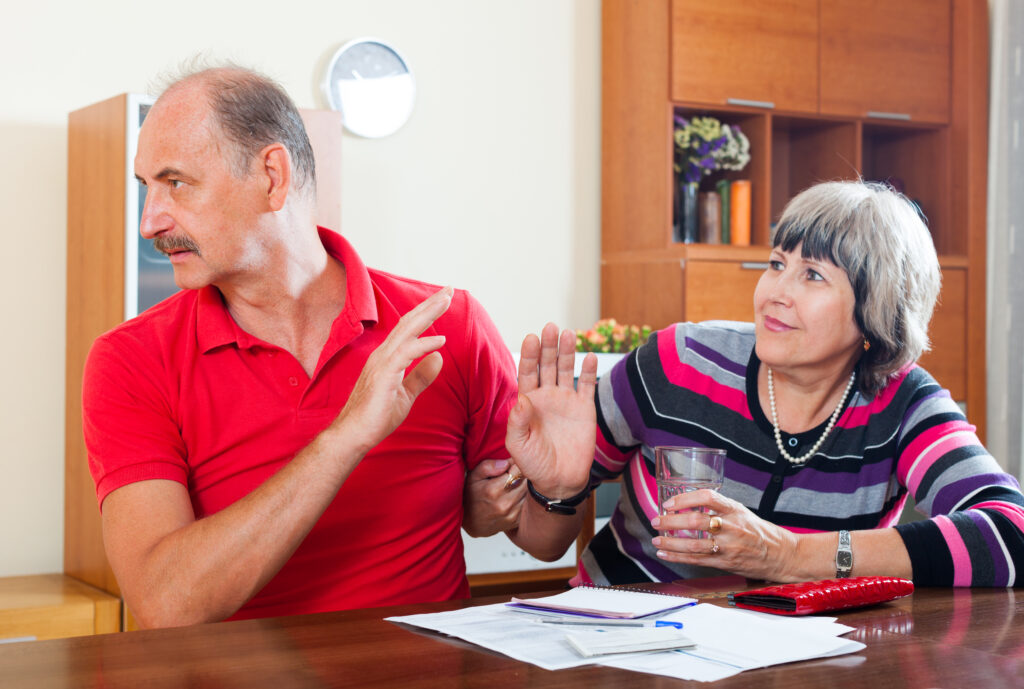
Marriage is often imagined as becoming calmer and more peaceful with age. Many people believe that couples naturally get closer and more understanding after retiring, having children, and spending decades together. But reality can be more nuanced. For many elderly couples, marital conflicts actually increase in old age. Long-standing unresolved issues, health concerns, financial dependency, […]
Guilt and Anxiety from Memory Problems in Ageing
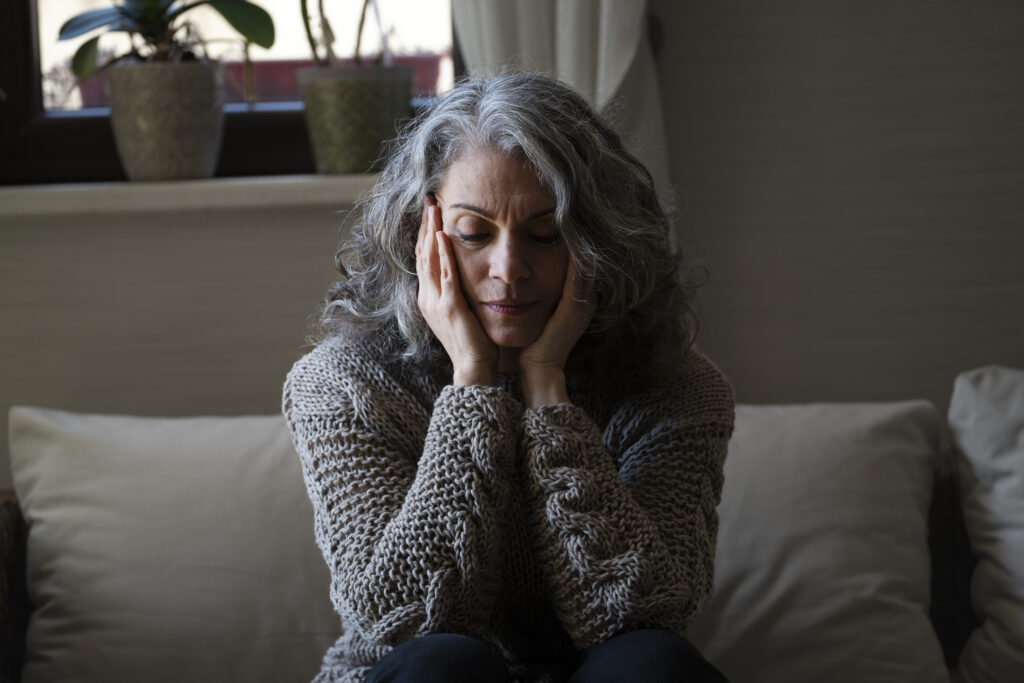
As individuals age, occasional forgetfulness may become more noticeable. While some memory lapses are a normal part of aging, repeated difficulties with remembering names, appointments, or daily tasks can create emotional distress. Older adults may begin to worry about losing independence or becoming dependent on family members. These fears often contribute to persistent anxiety, emotional […]