
Guilt and Caregiving: Why You Feel It and How to Let It Go
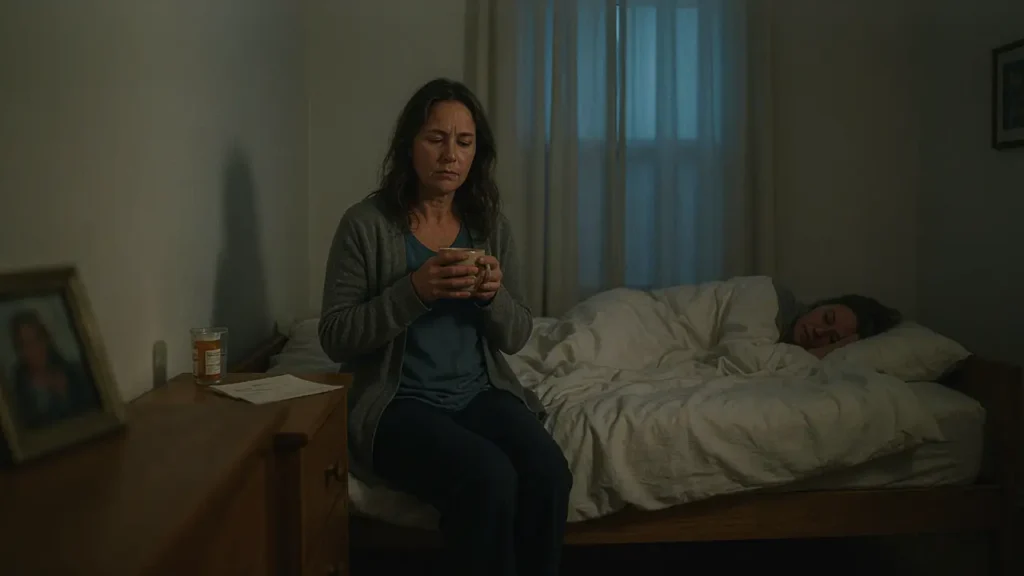
You set an alarm for the next medication round, cancel plans again, and still lie awake wondering if you did enough. If that sounds familiar, you’re not alone. Guilt is one of the most common emotions among people who care for a parent, partner, or child, yet it rarely gets discussed. This guide explains why […]
How Does Chronic Pain Affect Emotional Health in Seniors?

A sore knee or an aching back can seem like a normal part of getting older. But when pain lingers for months, it starts to shape moods, friendships, and everyday choices. Many seniors quietly stop going out, sleep badly, and feel like a burden, while families miss the signs. Knowing how persistent pain touches the […]
How Do Community Programmes Reduce Isolation Among Older Adults?
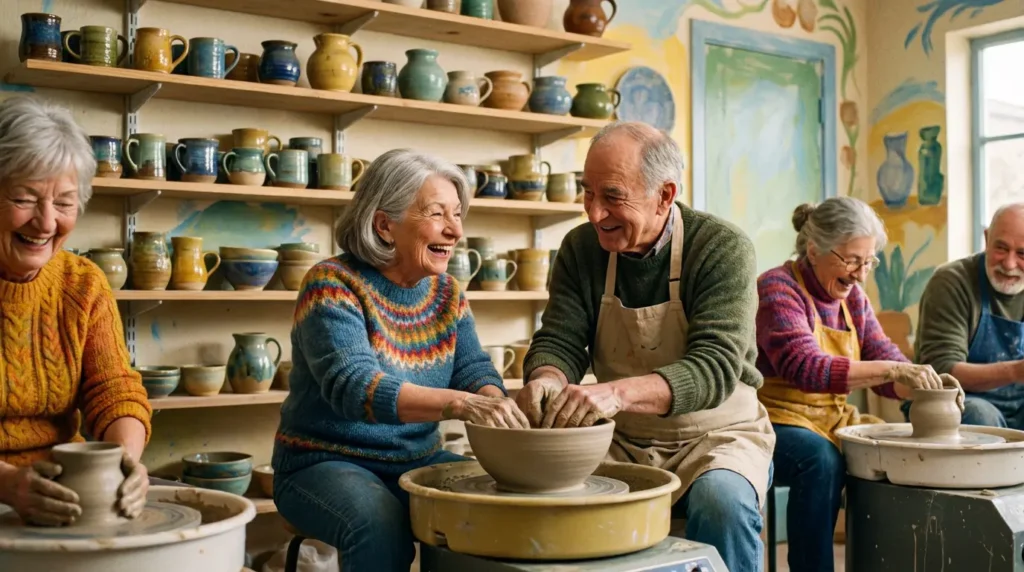
Picture a retired teacher who once managed a classroom of forty students and now goes days without a real conversation. Her children live in another city, many of her friends have moved away or passed on, and the silence at home keeps growing. Stories like hers are common, and they affect health, not just mood. […]
Knee Pain in Elderly: Causes, Exercises, and When to See a Physiotherapist
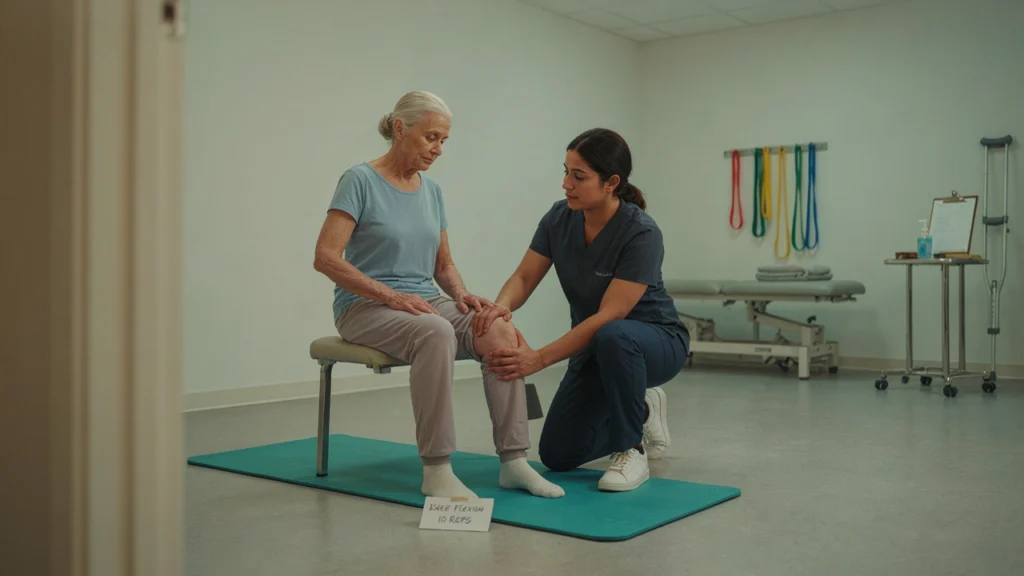
Knee pain is a common concern among older adults and can significantly affect everyday life. Simple activities such as walking, climbing stairs, standing from a chair, or going outside can become difficult when knee pain or stiffness increases. Although some knee discomfort can be associated with normal aging, persistent or severe pain should not simply […]
From the desk of a home-confined senior citizen
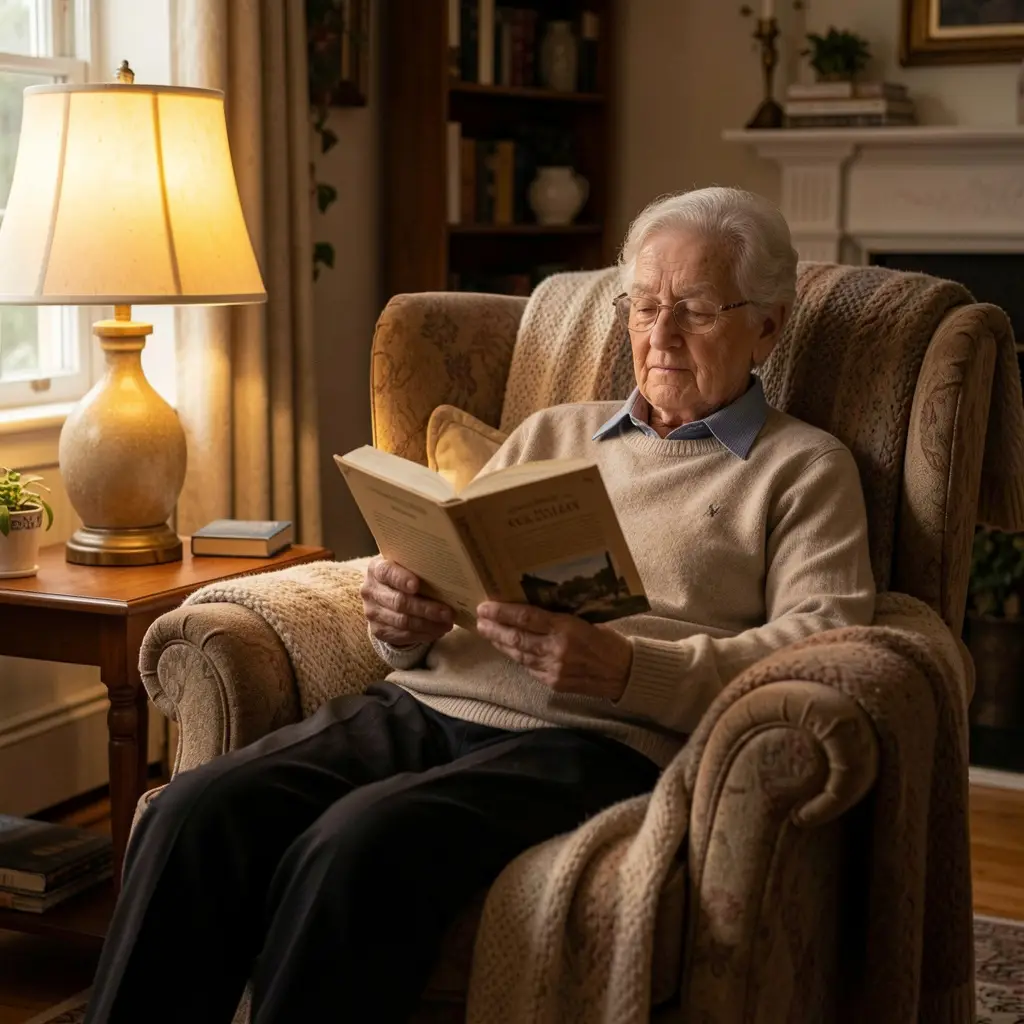
There is a particular kind of silence that settles into a home once the world outside stops asking you to show up. My knees no longer carry me down three flights of stairs, my eyes struggle with the evening traffic, and so, slowly, my world has shrunk to the four walls of this room. I […]
How Gratitude & Positive Psychology Promote Healthy Aging
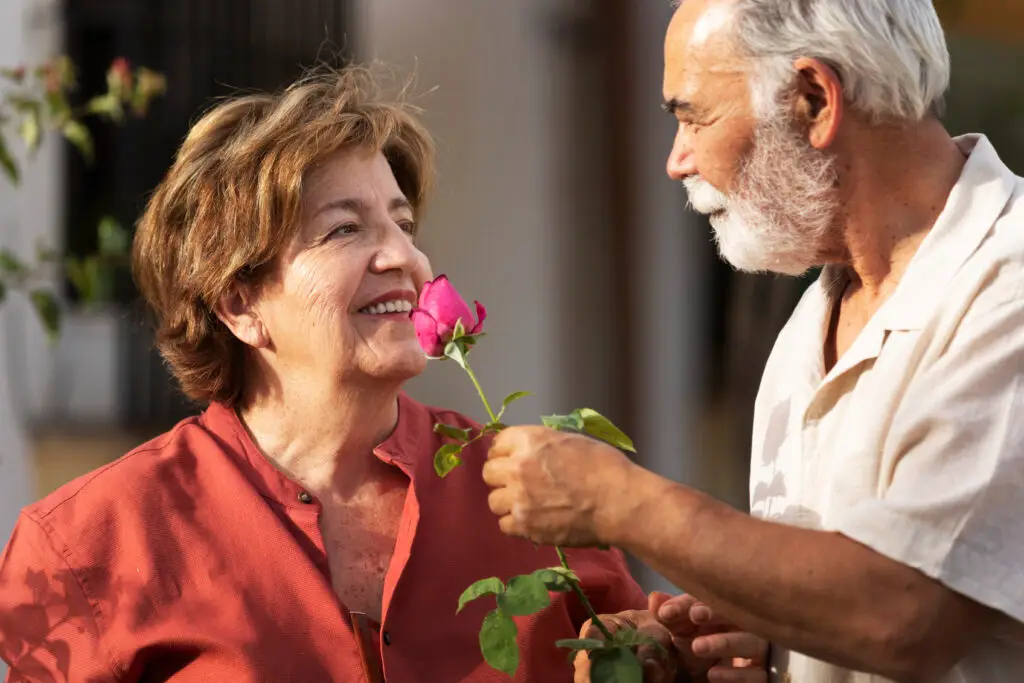
Aging is a journey filled with new experiences, achievements, and life transitions. While growing older often brings physical and emotional challenges, it also offers opportunities for wisdom, resilience, and personal growth. In recent years, researchers have highlighted the importance of positive psychology and gratitude in promoting healthy aging. Rather than focusing solely on illness or […]
Why Routine & Daily Structure Are Essential for Older Adults
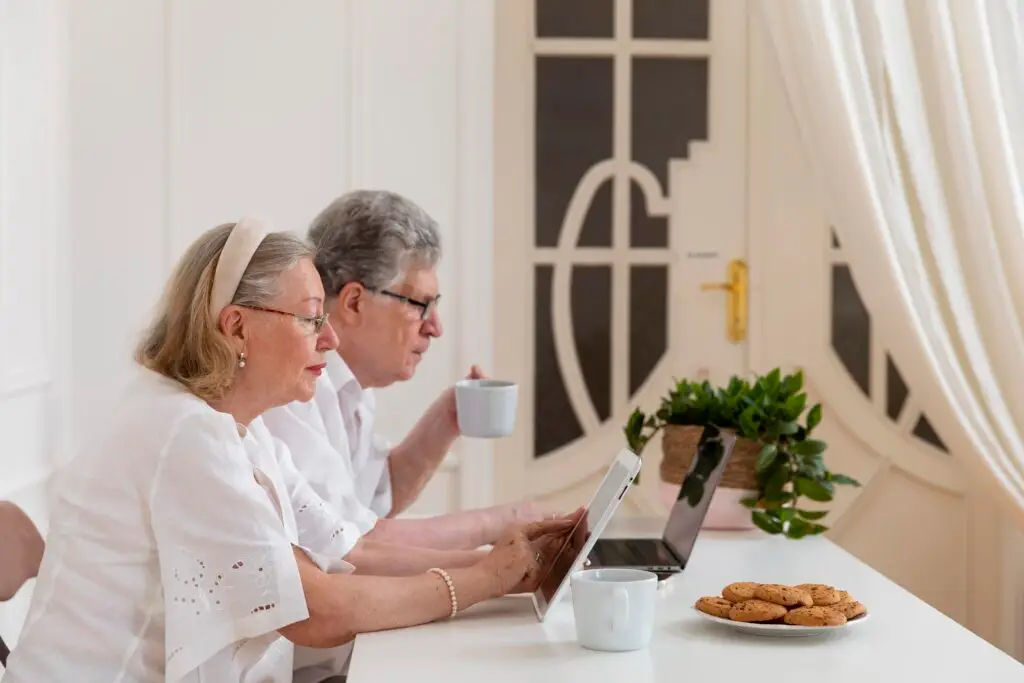
As people grow older, maintaining a sense of stability and purpose becomes increasingly important for both physical and mental well-being. Retirement, changes in health, the loss of loved ones, or reduced social interaction can sometimes disrupt an older adult’s daily life, leading to feelings of loneliness, anxiety, or confusion. Establishing a consistent routine provides structure, […]
Helping Older Adults Build Emotional Resilience During Life Transitions
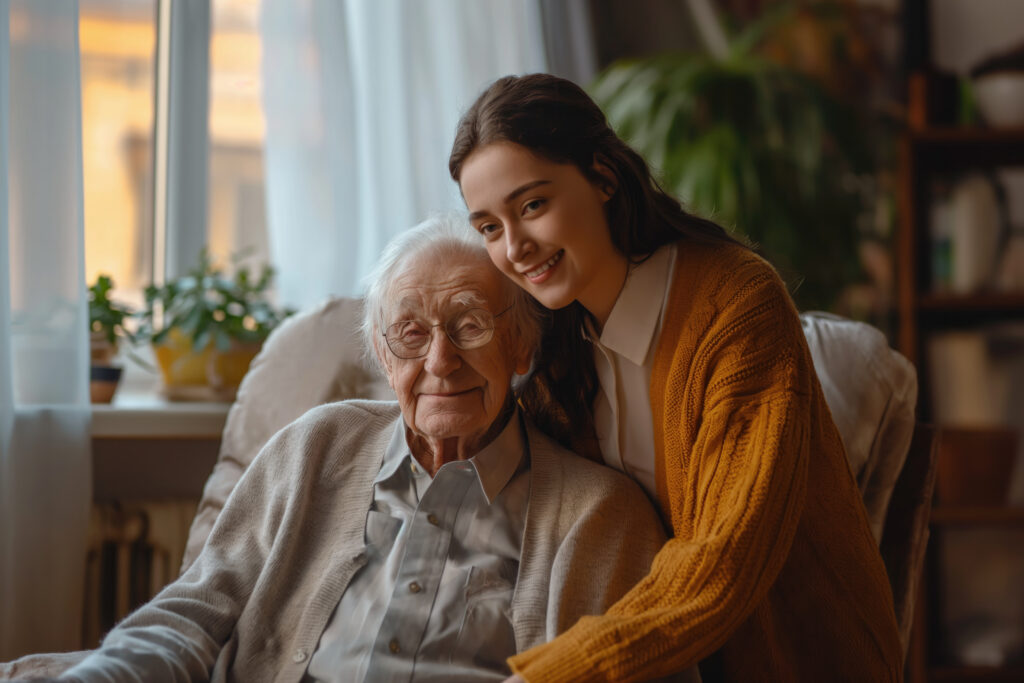
Life is a continuous journey of change, and every stage brings unique opportunities and challenges. Life transitions can be especially important for older persons because they frequently entail changes in daily routines, social interactions, income, family roles, and health. Retirement, the loss of a spouse, children moving away, chronic illnesses, reduced independence, or relocation can […]
Storytelling in NGOs: Changing Narratives, Changing Lives
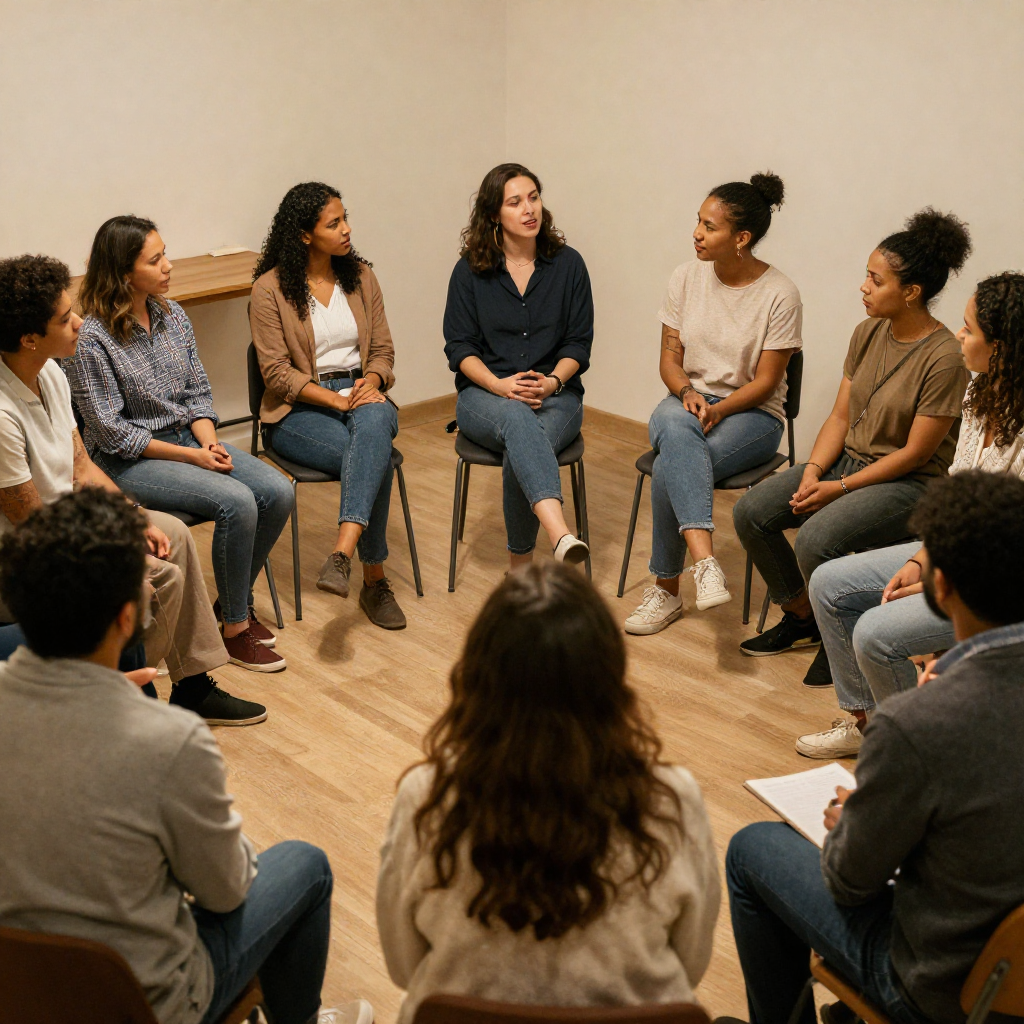
Stories have always been one of humanity’s most powerful tools for communication. Long before reports, statistics, and digital campaigns, people relied on stories to preserve culture, inspire action, and pass on wisdom. Today, storytelling continues to play a transformative role, especially within the social sector. For non-governmental organizations (NGOs), storytelling is far more than a […]
Left Behind Early: How Systems Fail Children with Disabilities

Childhood is meant to be a time of growth, learning, and emotional security. However, for many children with disabilities, the journey begins with barriers instead of opportunities. Across the world, countless children are left behind due to inaccessible systems, social stigma, limited healthcare support, and inadequate educational inclusion. While awareness about disability rights has increased […]