
The Impact of AI Tools on Children’s Learning & Attention Span

Technology has become an integral part of children’s daily lives, influencing how they learn, communicate, and interact with the world around them. Among recent technological advancements, artificial intelligence (AI) tools have gained significant attention in educational settings. From AI-powered learning platforms to virtual assistants and personalised educational applications, these tools are reshaping the learning experience […]
Coping with Emptiness & Silence After Loss

Loss is an inevitable part of life, yet it is one of the most emotionally overwhelming experiences an individual can face. Whether it is the loss of a spouse, a close friend, or a family member, the impact can be profound, especially in old age. Years of shared memories, routines, and emotional bonds suddenly give […]
Loneliness Within Marriage in Old Age

Marriage is often seen as a lifelong bond built on companionship, trust, and emotional support. However, in old age, many couples experience a silent struggle, loneliness within marriage. Even while living together, partners may feel emotionally distant due to changing life circumstances, health concerns, and shifting roles. This emotional gap can deeply affect mental well-being […]
Identifying Early Warning Signs of Emotional Burnout After Retirement

Retirement is often seen as a long-awaited phase of relaxation, freedom, and personal fulfilment. After years of structured routines and responsibilities, stepping away from professional life can feel liberating. However, for many individuals, this transition also brings unexpected emotional challenges. The sudden shift in identity, daily structure, and social engagement can create a sense of […]
Community-Based Approaches to Reduce Anxiety & Depression

Mental health challenges such as anxiety and depression are rapidly increasing across the globe, especially in developing countries like India. While clinical treatments like therapy and medication remain essential, they often fail to reach a large section of the population due to stigma, lack of awareness, and limited access to professionals. This gap has led […]
Emotional Sensitivity in Children with Attention Difficulties

Children with attention difficulties, particularly those diagnosed with Attention-Deficit/Hyperactivity Disorder (ADHD), often experience more than just challenges with focus and impulsivity. One of the less discussed yet highly significant aspects of their experience is emotional sensitivity. These children tend to feel emotions more intensely, react more quickly, and take longer to calm down. Understanding and […]
The Role of Structured Learning in Autism Support
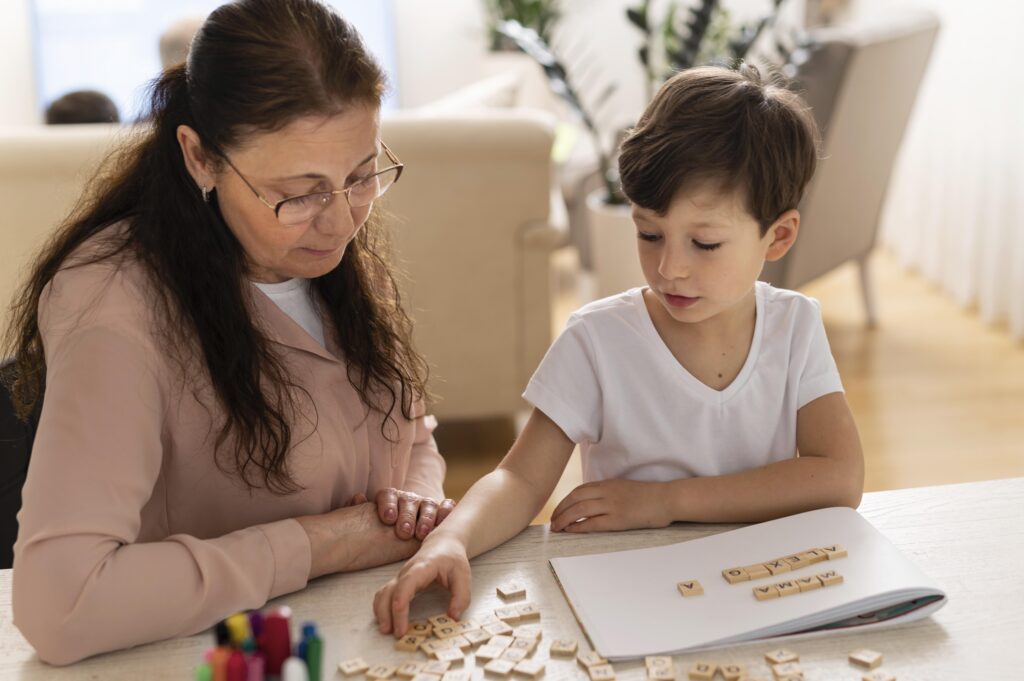
Communication, conduct, and social interaction are all impacted by autism spectrum disorder (ASD), a neurodevelopmental disorder. Each individual with autism has unique strengths and challenges, making personalized support essential. Among the various intervention approaches, structured learning has emerged as one of the most effective methods in supporting individuals with autism. It provides predictability, organization, and […]
The Impact of ADHD on Academic Motivation
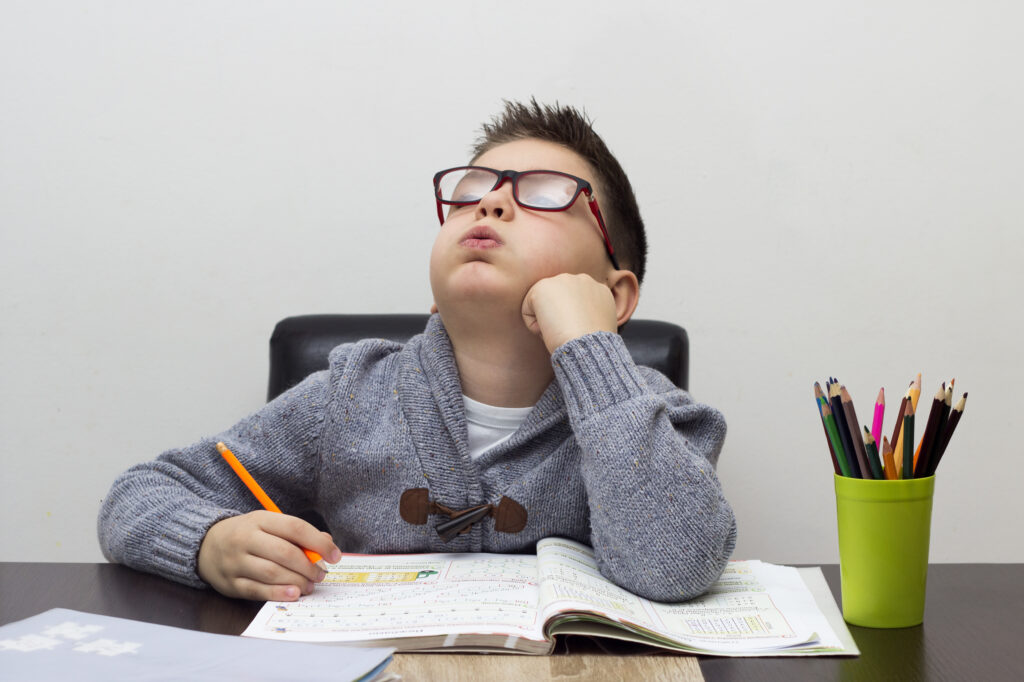
“I know I can do it… I just can’t seem to start.” This is a common feeling expressed by students with ADHD. It’s not a lack of ability or intelligence; it’s often a struggle with motivation, focus, and consistency. Academic life demands sustained attention, organisation, and self-discipline, which can be particularly challenging for individuals with […]
Why Children Resist Change and How to Support Them
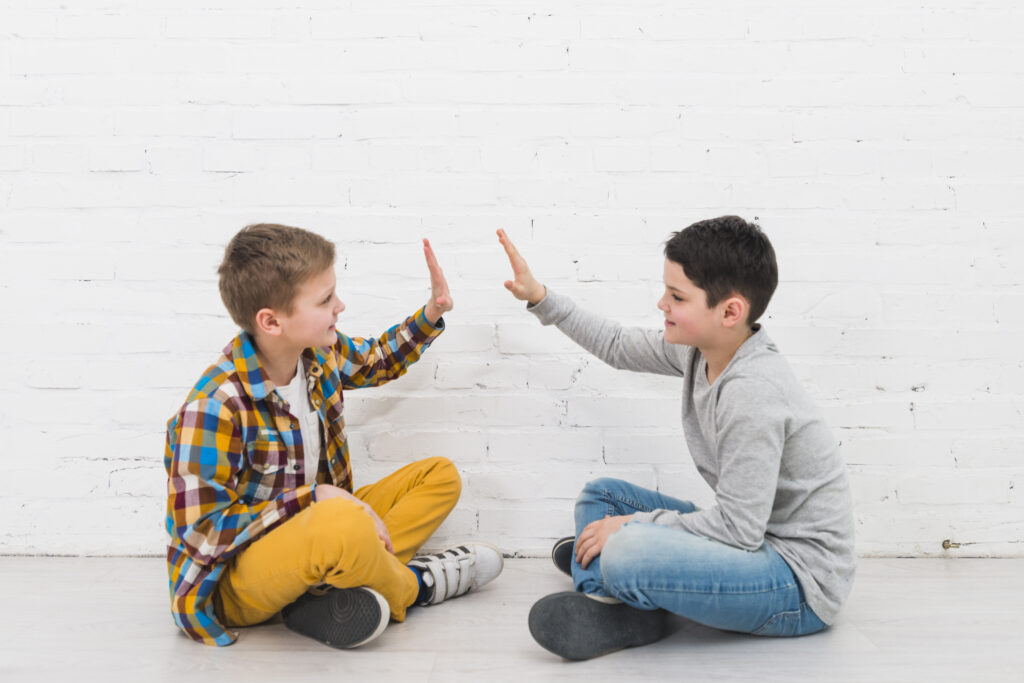
Change is a natural part of life, but for children, it can feel overwhelming and unsettling. Whether it is starting a new school, moving homes, adjusting to new routines, or experiencing changes within the family, transitions often disrupt a child’s sense of safety and predictability. Unlike adults, children are still developing emotional and cognitive skills, […]
School Readiness Skills Every Child Needs
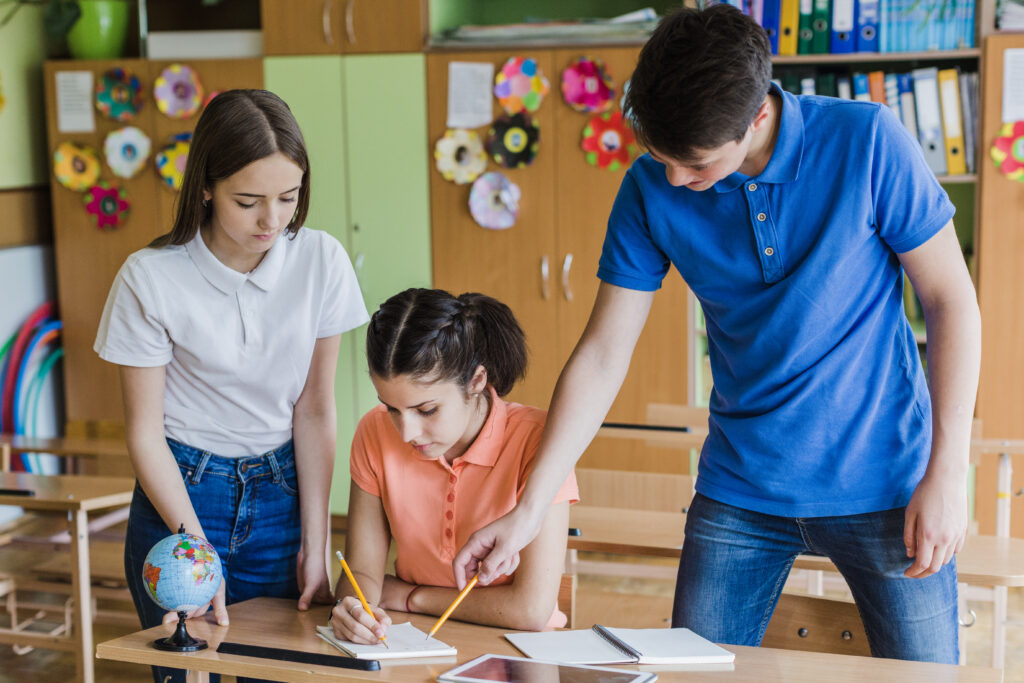
Starting school is one of the most significant milestones in a child’s life. It marks the beginning of structured learning, social interaction, and personal growth. School readiness is not only about academic abilities such as recognizing letters or numbers; it also includes social, emotional, behavioral, and cognitive skills that help children adapt to a classroom […]