
Digital Literacy for Older Adults: Building Confidence in a Technology-Driven World

Technology has become an integral part of daily life, influencing how people communicate, access healthcare, manage finances, and participate in society. While younger generations often adapt quickly to technological changes, many older adults face challenges when using digital devices and online services. Developing digital literacy among seniors is no longer a luxury; it is a […]
Social Media & Seniors: Benefits, Risks, & Maintaining Mental Well-being

Social media has become a powerful tool for connecting people across generations, and its use among older adults has increased significantly in recent years. Seniors are embracing platforms like Facebook, WhatsApp, YouTube, and Instagram to stay in touch with loved ones, learn new skills, and participate in communities that share their interests. While these digital […]
Healthy Aging: Daily Habits That Support Mental & Emotional Well-being

Growing older is a natural part of life, but aging well is influenced by the choices we make every day. Healthy aging is not simply about avoiding illness or extending lifespan; it is about maintaining independence, emotional balance, cognitive functioning, and a sense of purpose. According to the World Health Organization (WHO), healthy aging involves […]
Caregiver Burnout: How Family Caregivers Can Protect Mental Health

One of the most significant tasks a person may play is providing care for a loved one. Whether supporting an aging parent, a spouse with a chronic illness, or a child with special needs, family caregivers often dedicate countless hours to ensuring the well-being of others. Caregiving has emotional, physical, and psychological obligations, but it […]
Main Challenges in Elderly Care & Practical Ways to Overcome Them
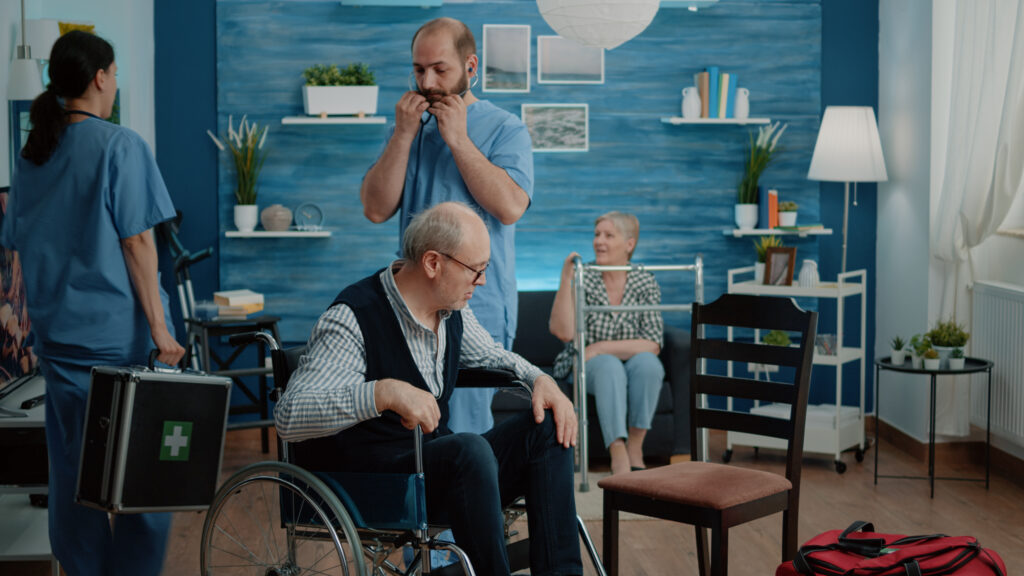
As life expectancy continues to increase worldwide, ensuring the well-being of older adults has become a significant priority for families, healthcare professionals, and communities. Aging brings valuable life experience and wisdom, but it can also introduce physical, emotional, and social challenges that require thoughtful support. Elderly care is no longer limited to managing medical conditions; […]
Loneliness & Social Isolation in Older Adults: Causes, Effects, and Solutions

Growing older brings many life changes, including retirement, health concerns, changes in family structure, and the loss of loved ones. While many older adults continue to lead active and fulfilling lives, others experience reduced social contact and emotional disconnection. These experiences can significantly affect overall well-being if left unaddressed. Although spending time alone can sometimes […]
Storytelling in NGOs: Changing Narratives, Changing Lives
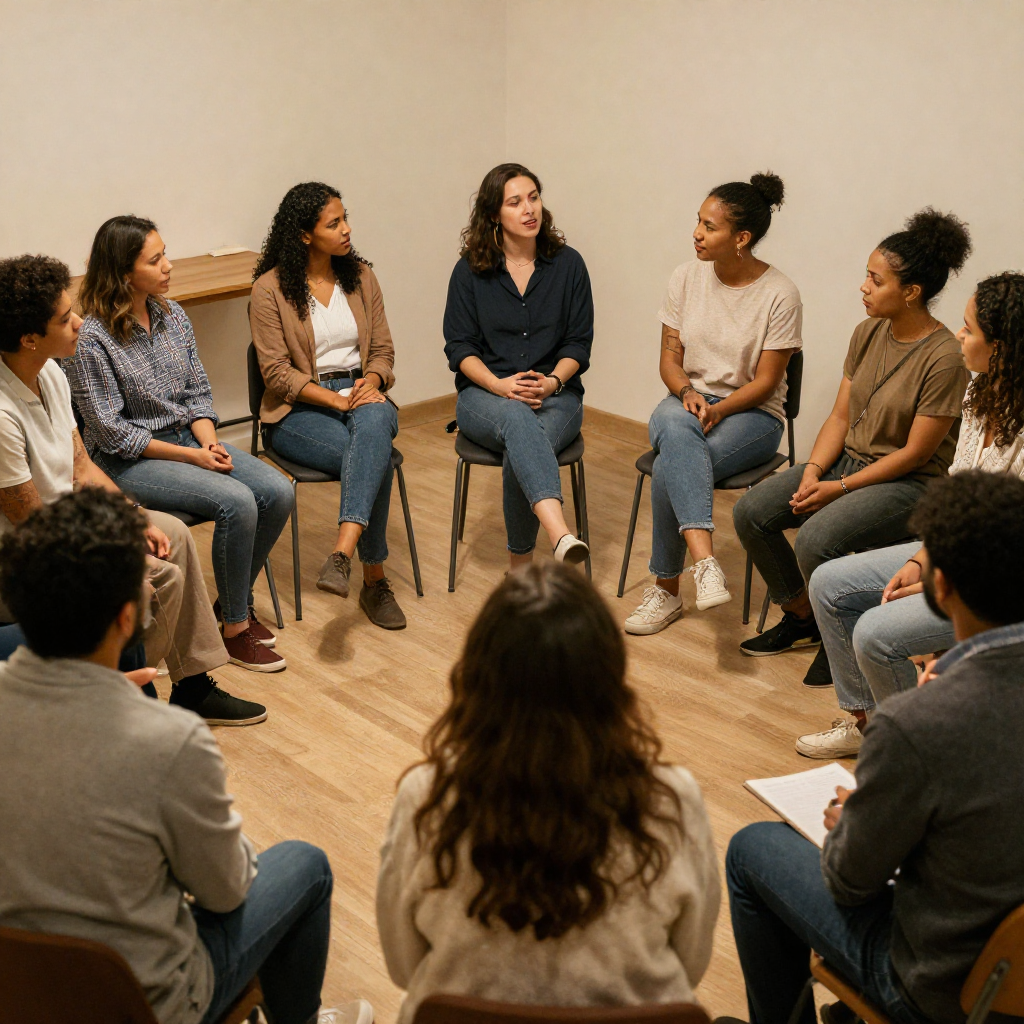
Stories have always been one of humanity’s most powerful tools for communication. Long before reports, statistics, and digital campaigns, people relied on stories to preserve culture, inspire action, and pass on wisdom. Today, storytelling continues to play a transformative role, especially within the social sector. For non-governmental organizations (NGOs), storytelling is far more than a […]
How NGOs Are Addressing Mental Health in Rural India
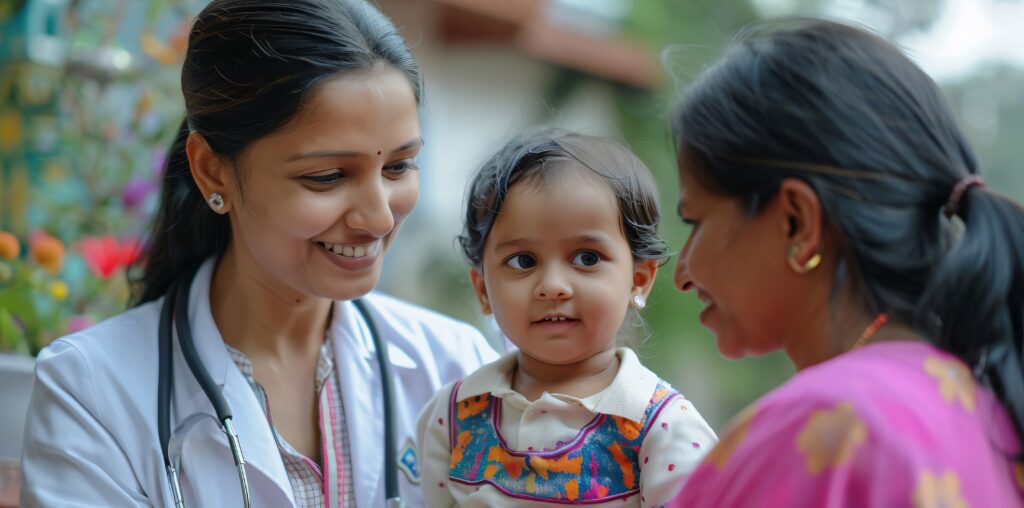
Mental health has become an increasingly important public health concern in India. While awareness and access to psychological services have improved in urban areas, rural communities continue to face significant challenges. Limited healthcare infrastructure, social stigma, shortage of trained professionals, and lack of awareness often prevent individuals from seeking help. Mental health concerns such as […]
Creating Safe Spaces for Open Mental Health Conversations
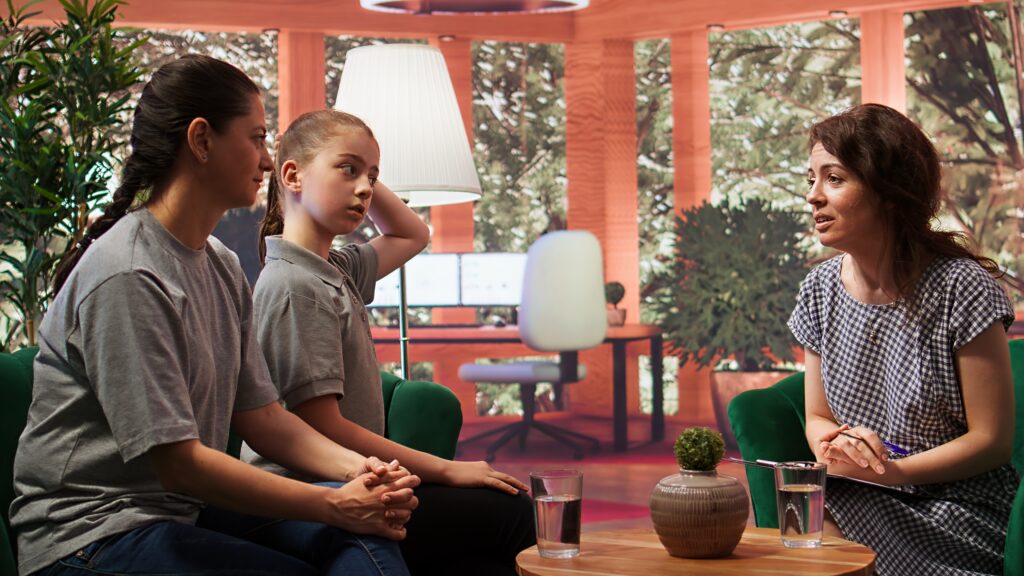
Mental health is an essential component of overall well-being, yet discussions about emotional struggles, psychological distress, and mental illnesses are often surrounded by stigma and misunderstanding. Many individuals hesitate to speak openly about their experiences because they fear judgment, discrimination, or rejection. Numerous people suffer in silence as a result, postponing the assistance and care […]
Support Groups & Therapy for Elderly Grief
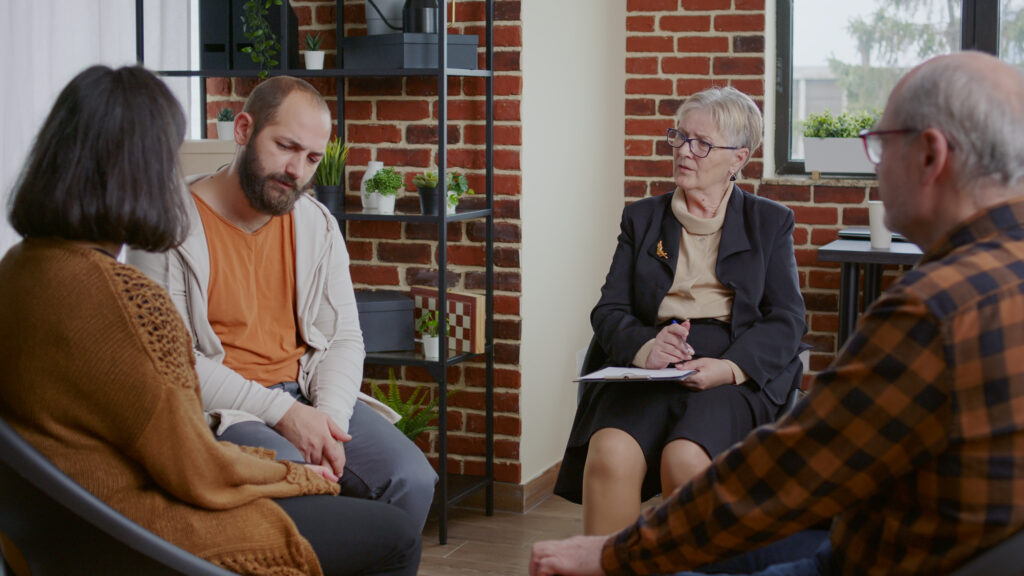
Grief is a natural response to loss, but for older adults, it can become particularly challenging. As people age, they may face multiple losses, including the death of a spouse, close friends, siblings, or even a sense of independence due to health changes. These encounters can cause severe emotional suffering that has an impact on […]