
Elderly Financial Insecurity & Its Psychological Impact

Ageing is often expected to bring stability, reflection, and a sense of completion. However, for many older adults, financial insecurity disrupts this expectation. Instead of peace, there may be uncertainty about daily expenses, healthcare needs, and long-term sustainability. This instability is not only economic, but it also has a direct and often overlooked psychological impact. […]
Recognizing Delusions and Hallucinations in Aging Adults

As individuals age, changes in physical and mental health can sometimes lead to complex psychological symptoms. Among these, delusions and hallucinations are particularly concerning, as they may indicate underlying neurological or psychiatric conditions. Recognizing these symptoms early is essential for timely intervention, appropriate geriatric care, and improved quality of life for older adults. Understanding Delusions […]
Why Seniors Feel Embarrassed About Forgetting
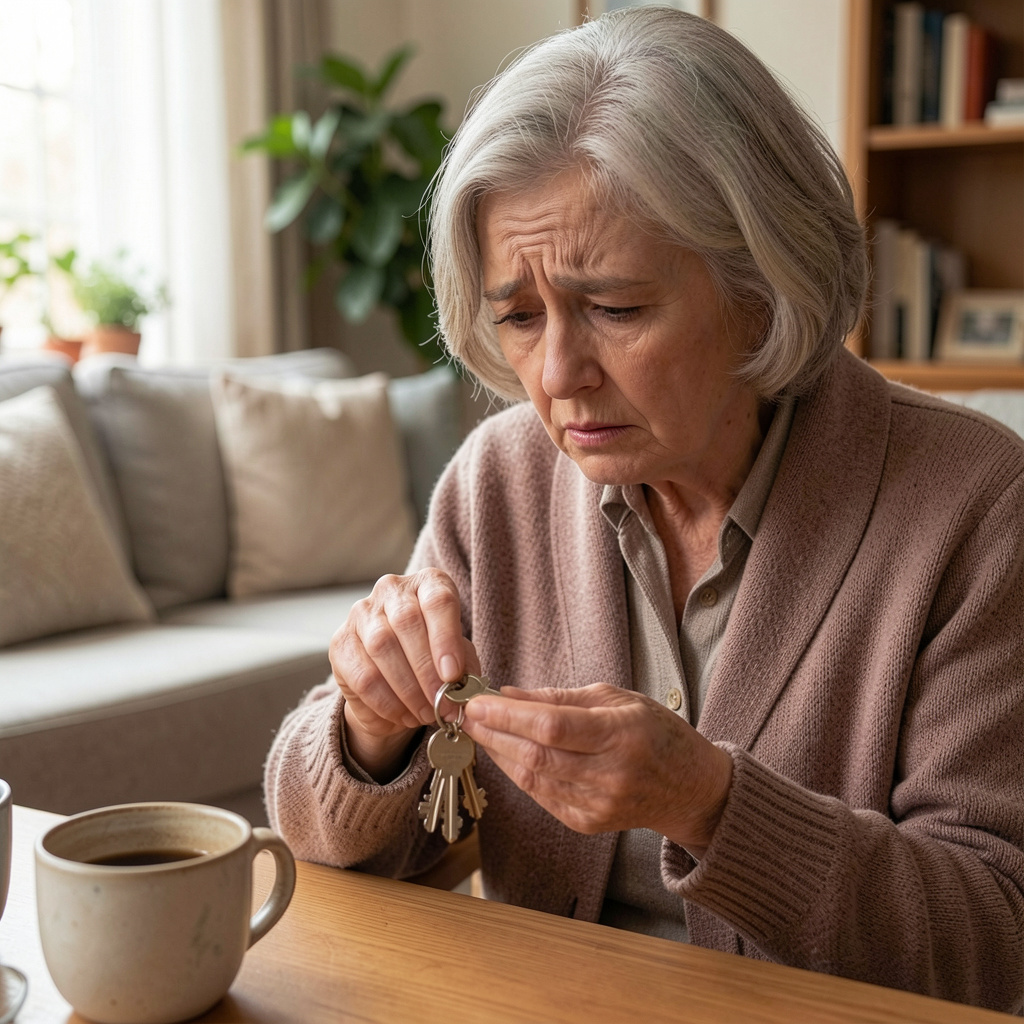
Ageing is a natural part of life, yet it often brings changes that can feel unfamiliar and unsettling. One of the most common concerns among older adults is forgetfulness—misplacing items, forgetting names, or struggling to recall recent events. While such experiences are often a normal part of aging, they can carry a deep emotional impact. […]
How Do You Build Mental Strength & Wisdom in Later Life?

Later life is often associated with physical slowing down, but mentally and emotionally, it can be a period of remarkable strength. Mental strength in older adulthood refers to the ability to cope with life’s changes, adapt to new circumstances, and maintain emotional balance despite challenges. It is built on years of experience, resilience, and personal […]
Why Do Older Adults Experience Memory Loss and Shame?

Memory changes are a common part of older adults, but they can be experienced very differently by each individual. Occasional forgetfulness—such as misplacing items or forgetting names—is often a normal aspect of growing older. However, when memory lapses become frequent or begin to interfere with daily life, they can lead to confusion, frustration, and emotional […]
What Is Psychological Well-Being in Later Adulthood?

Later adulthood is often seen as a time of reflection, wisdom, and slower living. However, it also brings significant emotional and psychological adjustments. Retirement, health changes, loss of loved ones, and shifts in social roles can all influence how older adults perceive themselves and their place in the world. Psychological well-being in this stage is […]
How Psychotic Disorders Impact Mental Health in the Elderly?

Psychotic disorders in older adults are complex mental health conditions that significantly affect emotional well-being, cognition, and daily functioning. These disorders may include schizophrenia, delusional disorder, and psychosis related to neurocognitive conditions such as dementia. In elderly individuals, psychotic symptoms—such as hallucinations and delusions—often present differently than in younger populations and may be influenced by […]
Maintaining Purpose and Meaning in Senior Years

Aging is a natural and meaningful phase of life that brings both opportunities and challenges. While it is often associated with retirement, physical changes, and shifting social roles, it can also be a time for reflection, growth, and fulfilment. Maintaining a sense of purpose during the senior years is essential for emotional well-being, mental health, […]
Nutrition, Immunity, and Mental Well-Being in Aging

Aging is a complex biological process that affects physical health, immune functioning, and psychological well-being. With increasing life expectancy, maintaining quality of life in older adulthood has become a global priority. Scientific evidence highlights that nutrition plays a pivotal role in supporting immune health, reducing inflammation, and promoting cognitive and emotional stability. A balanced diet […]
Grief vs Depression in Older Adults: Understanding the Difference

Aging brings many life transitions that can significantly affect emotional well-being. Retirement, changes in family roles, declining health, and the loss of loved ones are experiences that many older adults face. These life changes can trigger intense emotional responses that may sometimes appear similar. Two of the most commonly confused experiences in later life are […]