
Essential Health Screenings and Mental Reassurance in Aging
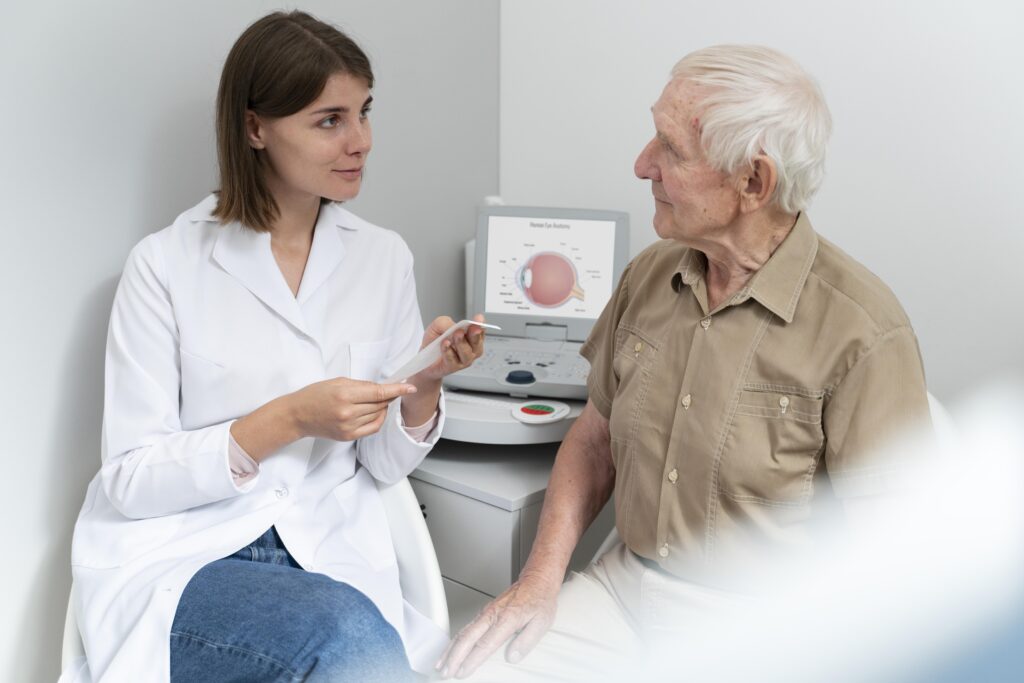
Aging is a natural and meaningful stage of life that often brings new experiences, wisdom, and opportunities for reflection. However, it can also bring health concerns that require greater awareness and proactive care. Regular medical check-ups and preventive screenings become increasingly important during this stage, helping older adults maintain overall well-being and independence. Health screenings […]
Physical Activity and Mental Wellness in Aging Adults

Aging is a natural stage of life that brings both opportunities and challenges. As individuals grow older, maintaining an active lifestyle and engaging in regular physical activity becomes increasingly important for sustaining overall well-being. Many older adults experience changes in mobility, social roles, and lifestyle habits, which can influence their mental and emotional health. Physical […]
Hand Function and Mobility Training in Elderly Care
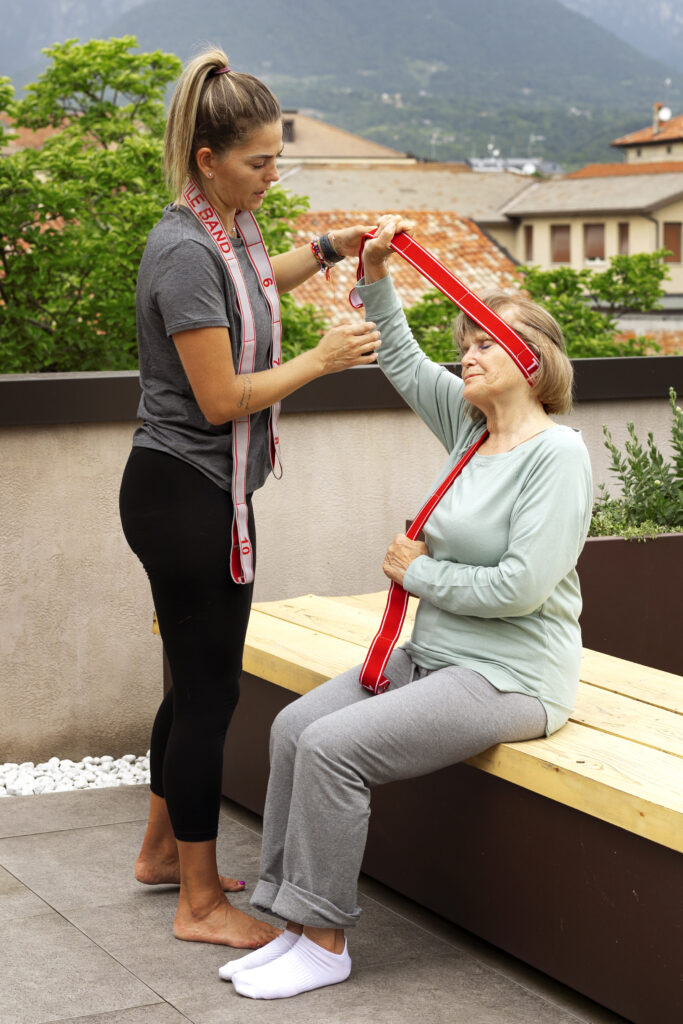
Aging brings natural changes in strength, coordination, and flexibility, which can significantly affect how older adults perform everyday activities. Tasks such as holding utensils, buttoning clothes, walking safely, or maintaining balance may become challenging over time. Hand function and mobility training form a core part of elderly rehabilitation because they directly influence independence, dignity, and […]
Occupational Therapy Interventions in Post-Operative Geriatric Care
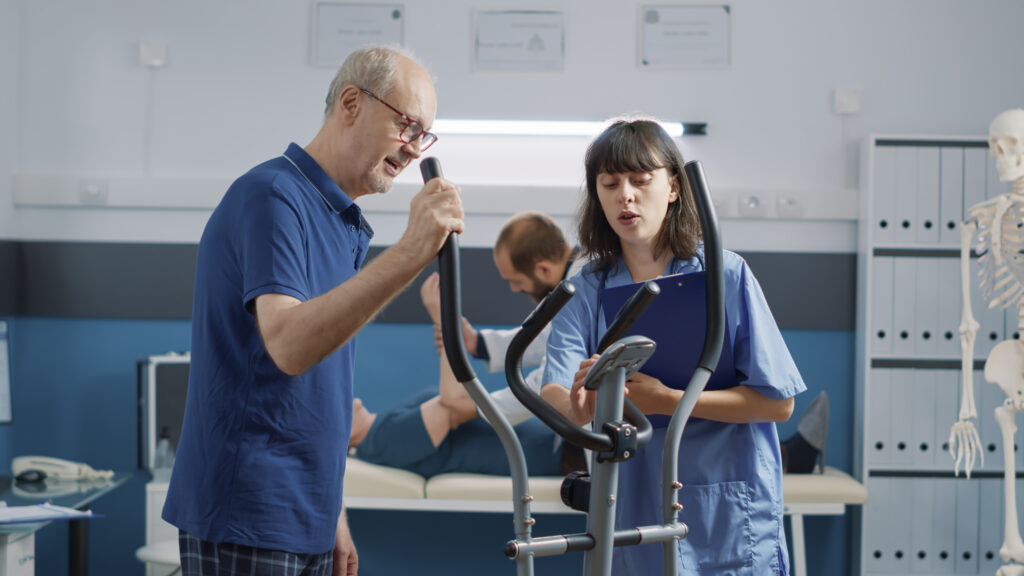
Recovery after surgery can be especially challenging for older adults due to age-related changes, pre-existing conditions, and reduced adaptability to physical stress. Post-operative recovery in later life is not only about wound healing or medical stability; it is about restoring independence, dignity, and meaning in daily living. This is where occupational therapy plays a crucial […]
The Reality of Later Life: Challenges and Strengths
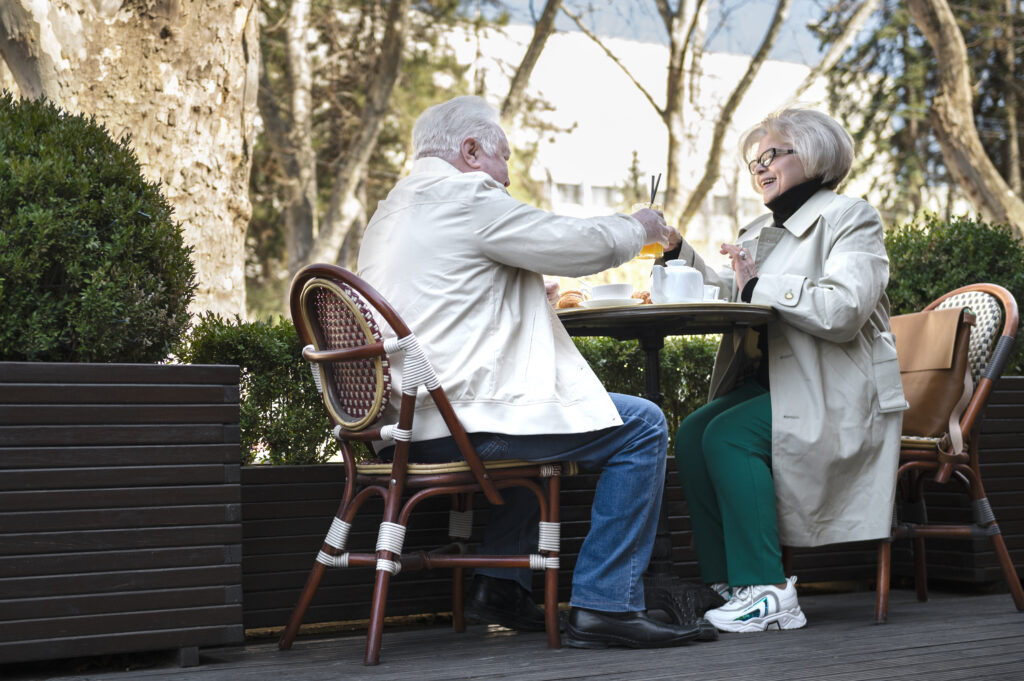
Later life is often imagined as a peaceful chapter filled with reflection, family time, and rest after decades of responsibility. While this stage can indeed bring freedom and deeper self-awareness, it also presents emotional, social, and physical transitions that require adjustment. Ageing is not merely about growing older; it is about adapting to change while […]
Ageing and Emotional Adaptation in Older Adults
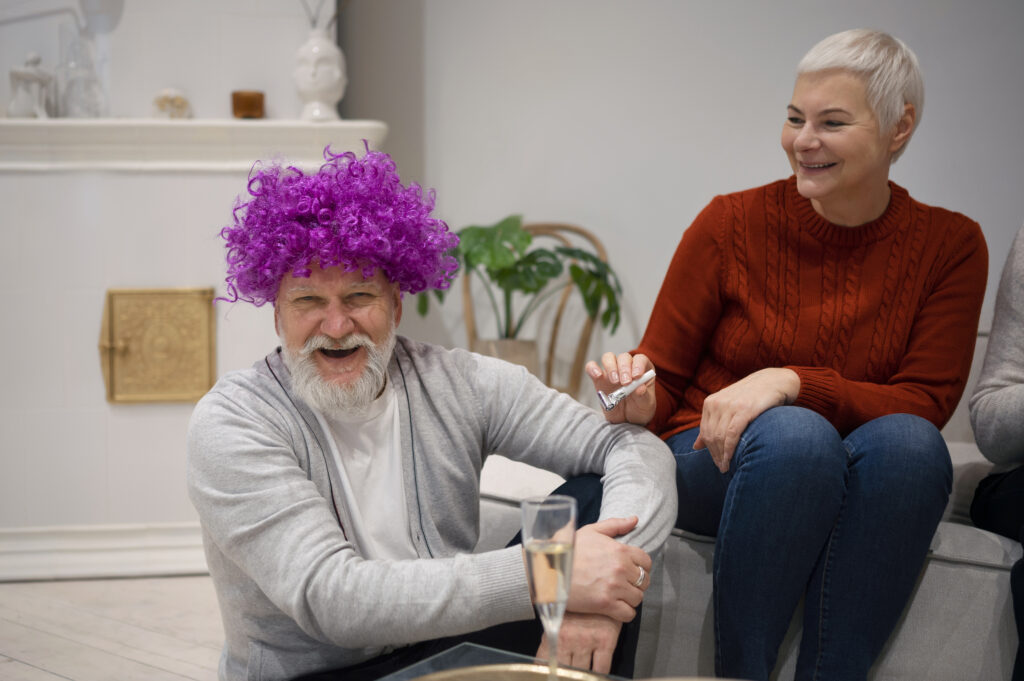
Ageing is a deeply personal journey shaped not only by biological changes but also by emotional, social, and psychological transitions. As individuals grow older, they are required to adapt to shifting roles, changing bodies, evolving relationships, and altered perceptions of self and society. Emotional adaptation in later life determines not just how long people live, […]
Daily Living Skills Training for Older Adults

Aging often brings gradual changes in physical strength, mobility, memory, and sensory functioning, all of which can influence a person’s ability to manage everyday tasks. However, reduced efficiency in daily functioning does not automatically mean loss of independence, especially when supported through daily living skills training for older adults that focuses on adaptation, confidence, and […]
Occupational Therapy for Age-Related Physical Decline
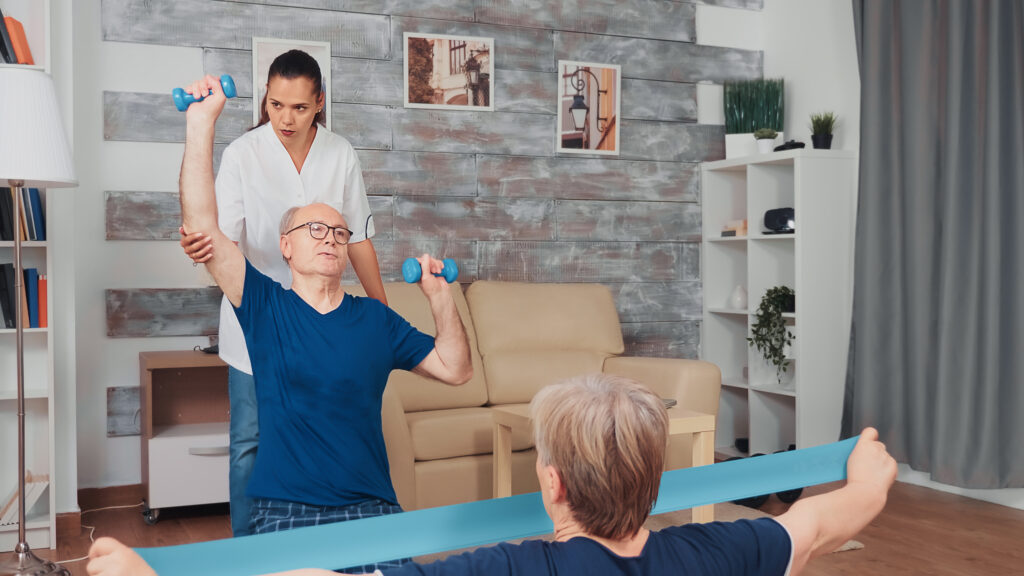
As people grow older, gradual physical changes become a natural part of life. Reduced muscle strength, joint stiffness, slower reflexes, balance difficulties, and decreased endurance can all affect daily functioning. While these changes are common, they do not have to result in loss of independence. Many older adults can continue performing meaningful activities when they […]
Home Modifications for Safe Aging in Place
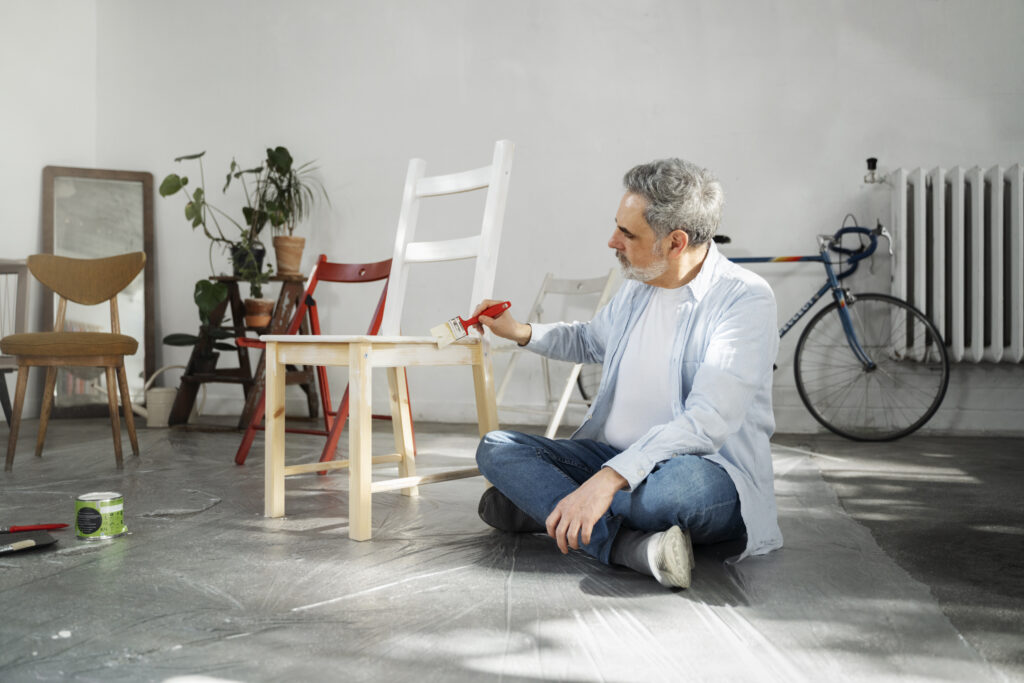
Aging is a natural stage of life, and many older adults prefer to remain in the comfort of their own homes rather than relocate to assisted living facilities. Familiar surroundings provide emotional comfort, independence, and a sense of dignity. However, as people grow older, physical changes can make everyday spaces more difficult to navigate. Thoughtful […]
Managing Energy Better in Later Life

Understanding Energy Changes in Later Life Growing older brings wisdom, life experience, and a deeper understanding of what truly matters. However, it can also bring physical fatigue, emotional shifts, and changes in daily routines. Many older adults notice that their energy levels are not the same as they once were. Tasks that once felt easy […]