
ADL Rehabilitation in Geriatric Occupational Therapy
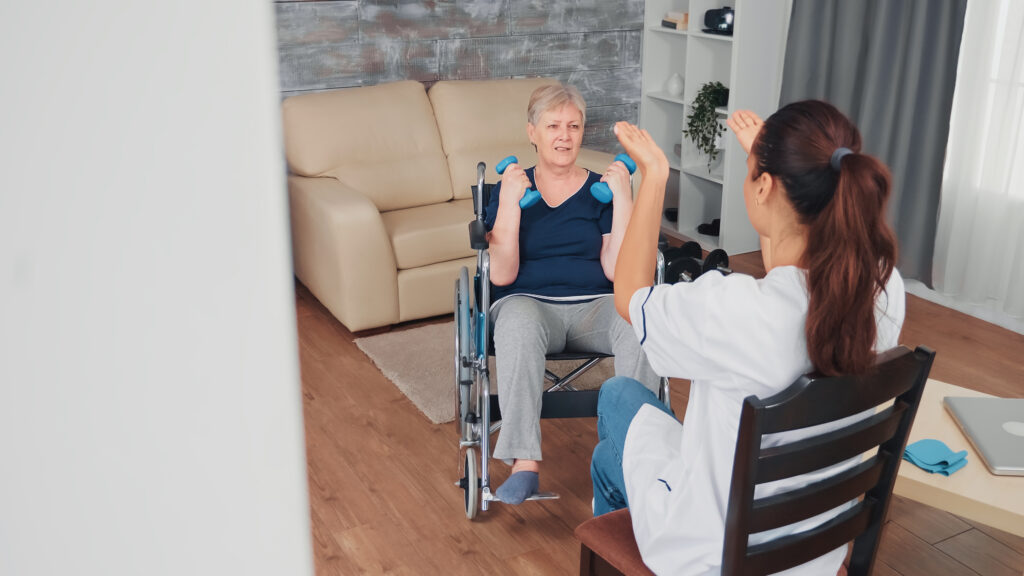
Aging often brings wisdom, experience, and a deeper appreciation for life. However, it can also introduce physical and functional challenges that affect independence. Many older adults begin to find everyday activities—such as bathing, dressing, cooking, or moving around the home—more difficult. This is where occupational therapy becomes essential. One of its primary focuses is helping […]
Restoring Functional Independence After Stroke in Older Adults
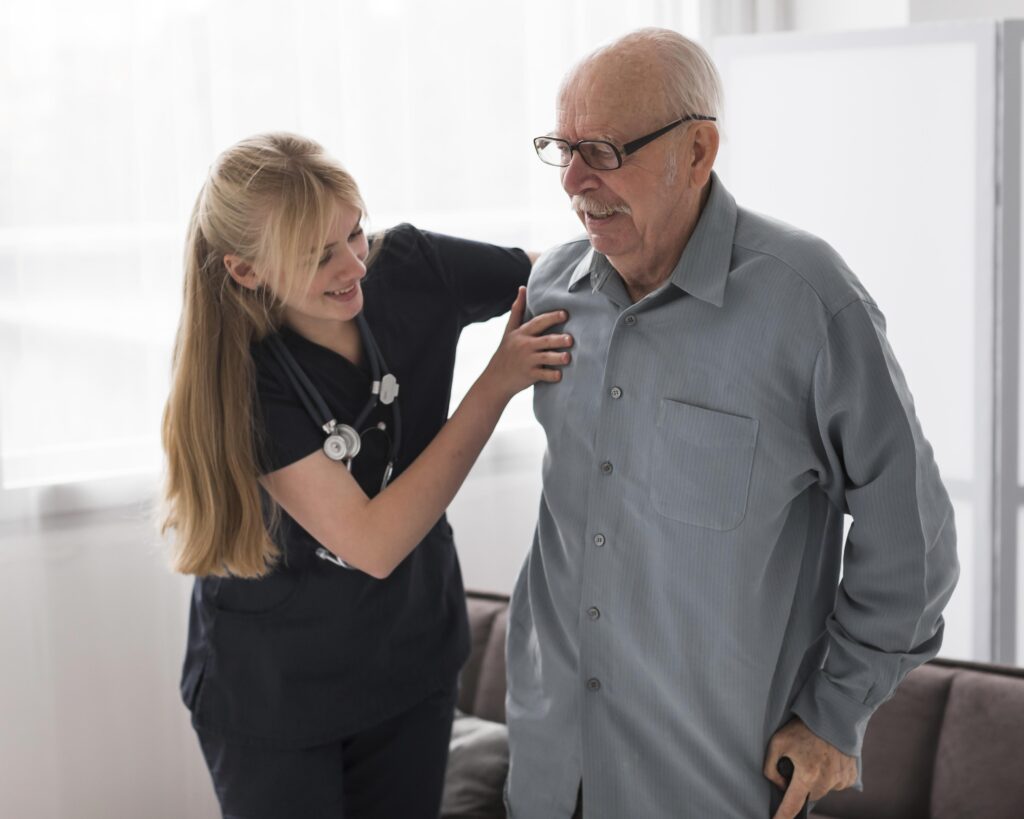
A stroke can change life in an instant. For many older adults, it affects mobility, communication, memory, and the ability to manage everyday tasks independently. Activities that once felt effortless—walking across a room, preparing a meal, or getting dressed—may suddenly require assistance. While the recovery journey can feel overwhelming, regaining independence after a stroke is […]
Joint Protection Techniques for Seniors with Arthritis

Aging brings wisdom, resilience, and life experience. However, it can also bring physical challenges that affect everyday comfort and independence. One common concern among older adults is arthritis. Stiff joints, swelling, and discomfort can make even simple tasks feel exhausting. Learning joint protection techniques can help seniors maintain mobility, independence, and confidence while managing arthritis […]
Fall Prevention Strategies in Geriatric Occupational Therapy
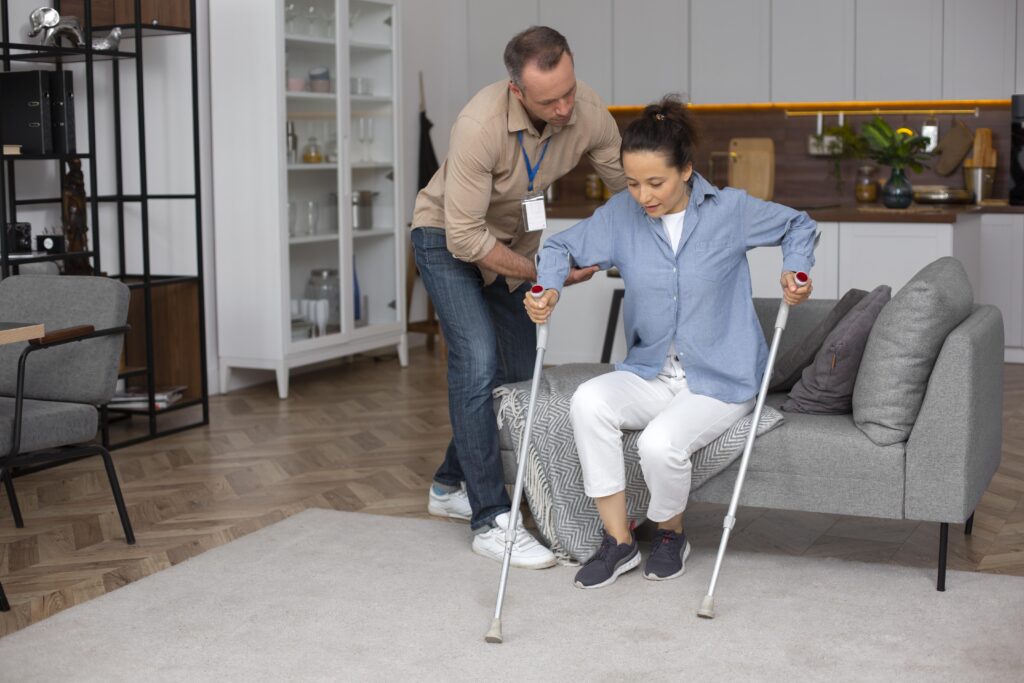
Aging offers wisdom, experience, and a more genuine appreciation for life. However, it also introduces physical and environmental challenges that can increase the risk of falls. For many older adults, a fall is not just a minor accident—it can lead to injuries, loss of confidence, and reduced independence. Occupational therapy is especially useful in this […]
Senior Years, Shifting Identities: Self After Retirement

Retirement is often imagined as a long-awaited pause—freedom from deadlines, early alarms, and workplace stress. Yet, when the routine actually ends, many seniors discover that retirement is not simply a break from work; it is a profound shift in identity. For decades, professional roles have provided structure, purpose, and social connection. When that structure disappears, […]
Aging and the Search for Meaning in Later Life

Aging is often described in terms of physical changes—slower movements, health concerns, or retirement from professional life. Yet beyond these visible transitions lies a deeper, more personal journey: the search for meaning. Later life is not simply about growing older; it is about understanding who we are when roles change, responsibilities shift, and time feels […]
Ageing with Purpose: Rediscovery, Engagement, & Lasting Impact

Ageing is a journey marked by new opportunities for reflection, exploration, and contribution. As routines evolve and roles shift, individuals often find space to revisit long-held passions, explore creative pursuits, or engage with their communities in meaningful ways. This stage of life encourages a deeper understanding of what truly matters, from nurturing friendships to pursuing […]
Helping Seniors Stay Independent Through Occupational Therapy

Aging is not a decline—it is a transition. For many older adults, the greatest fear is not growing old, but losing independence. The ability to dress oneself, prepare meals, move freely, manage finances, and stay socially connected is closely tied to dignity and self-worth. Occupational therapy plays a powerful role in helping seniors maintain autonomy, […]
Strength in the Senior Years: Resilience in Aging

Aging is often portrayed as a period of decline, dependency, and slowing down. Yet, for many older adults, the later years become a powerful chapter of strength, wisdom, and growth. While physical changes are inevitable, emotional and psychological growth can continue throughout life. The senior years are not merely about surviving change—they are about developing […]
Caregiver Stress: The Emotional Cost of Supporting Aging Loved Ones
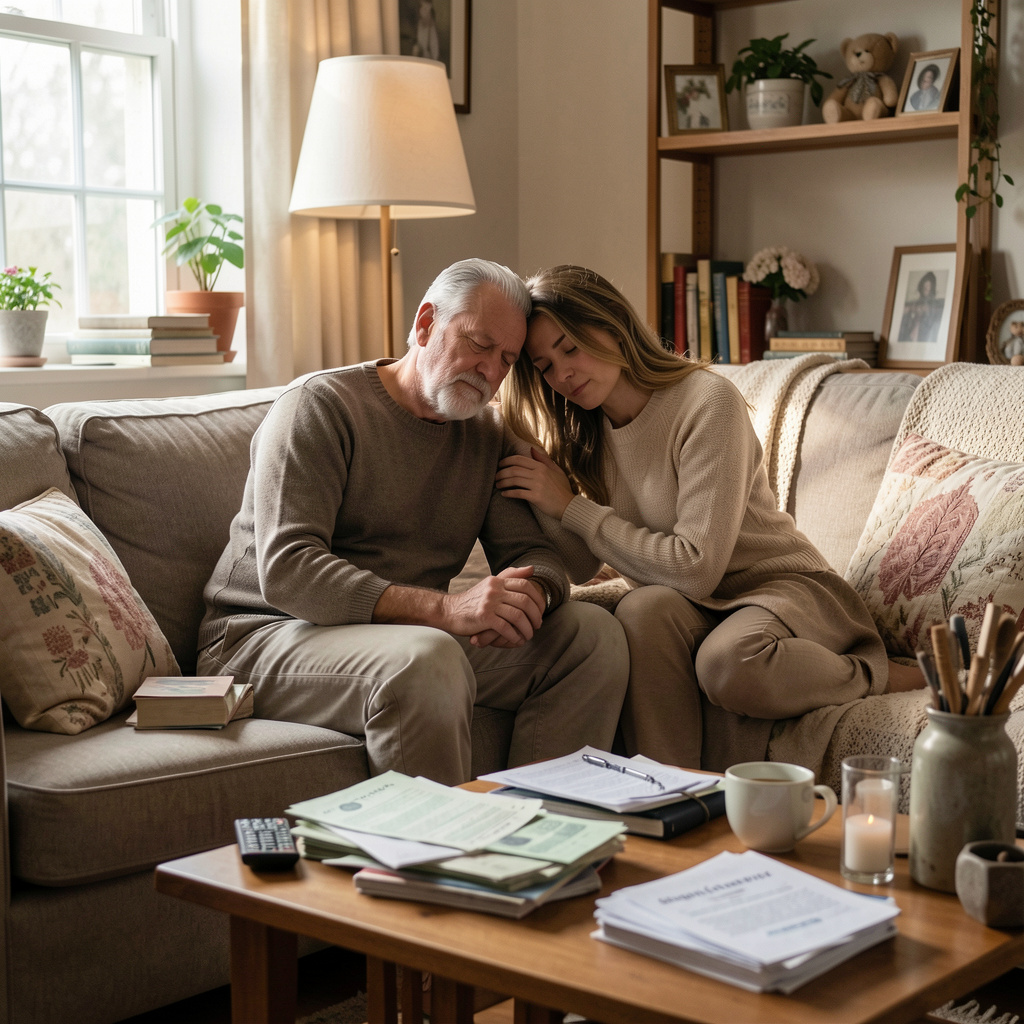
Caring for an aging parent, spouse, or relative is often described as an act of love. It is rooted in gratitude, responsibility, and deep emotional connection. Yet behind the compassion lies a reality that many caregivers silently endure—overwhelming stress that gradually impacts emotional, physical, and psychological well-being. As life expectancy increases and families navigate changing […]