
Nutrition for Growing Children: Building Healthy Habits Early

Childhood is a critical stage of development when the body and brain grow rapidly. The nutrition children receive during these early years plays a vital role in shaping their physical health, cognitive abilities, emotional well-being, and lifelong habits. Proper nutrition is not only about providing enough food but also about ensuring that children receive a […]
Daily Living Strategies for Elderly Arthritis Patients

Arthritis is one of the most common chronic conditions affecting older adults, often shaping how they move, function, and engage with everyday life. For elderly individuals, arthritis can transform routine tasks such as dressing, bathing, cooking, or walking into physically demanding and emotionally draining experiences. While medical management is important, daily living strategies play an […]
Hand Function and Mobility Training in Elderly Care
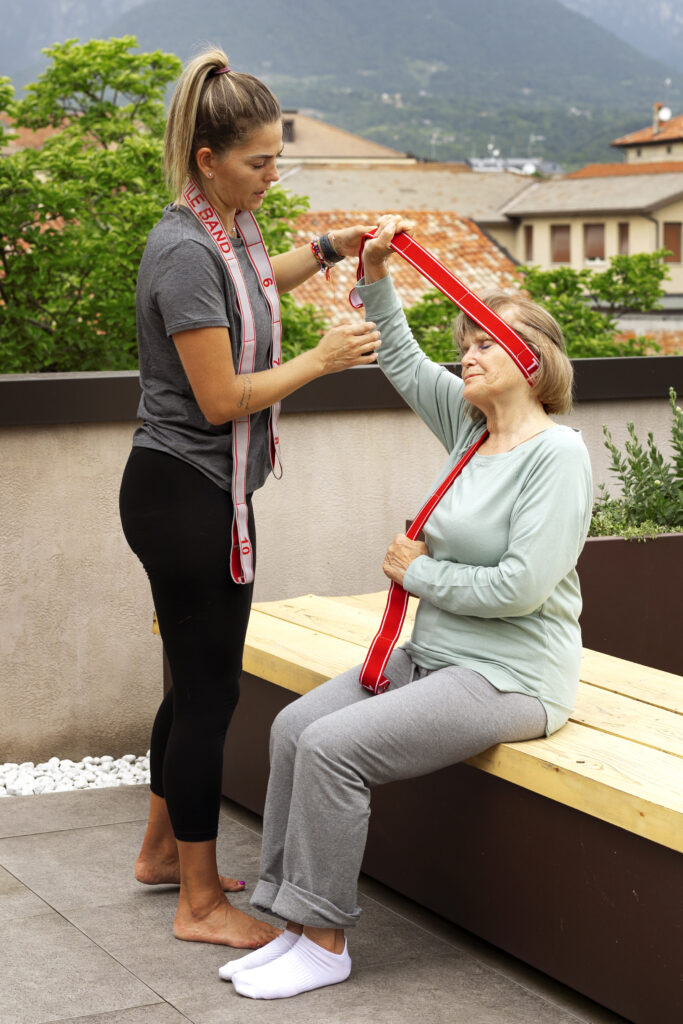
Aging brings natural changes in strength, coordination, and flexibility, which can significantly affect how older adults perform everyday activities. Tasks such as holding utensils, buttoning clothes, walking safely, or maintaining balance may become challenging over time. Hand function and mobility training form a core part of elderly rehabilitation because they directly influence independence, dignity, and […]
Occupational Therapy Interventions in Post-Operative Geriatric Care
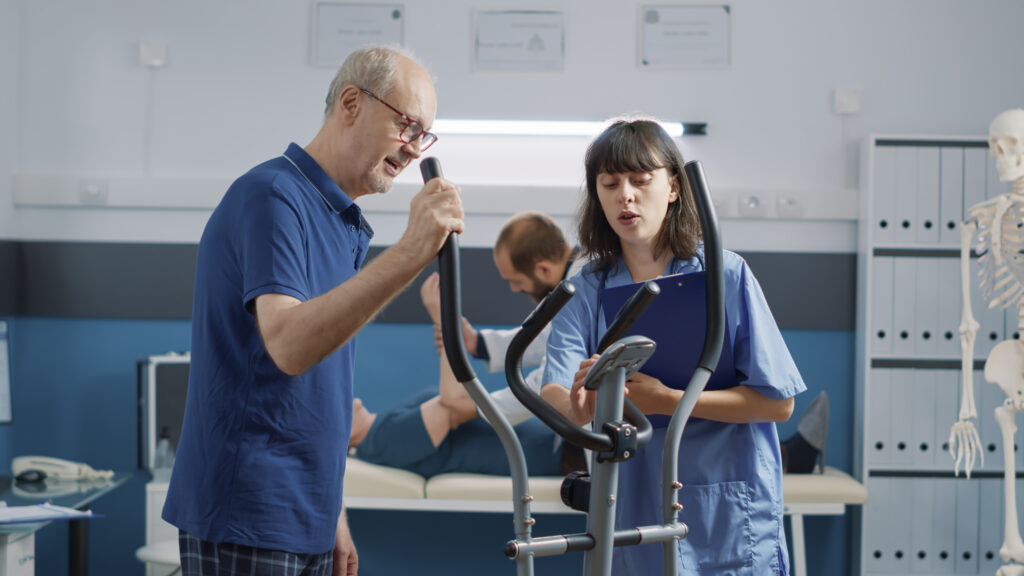
Recovery after surgery can be especially challenging for older adults due to age-related changes, pre-existing conditions, and reduced adaptability to physical stress. Post-operative recovery in later life is not only about wound healing or medical stability; it is about restoring independence, dignity, and meaning in daily living. This is where occupational therapy plays a crucial […]
Ageing and Emotional Adaptation in Older Adults
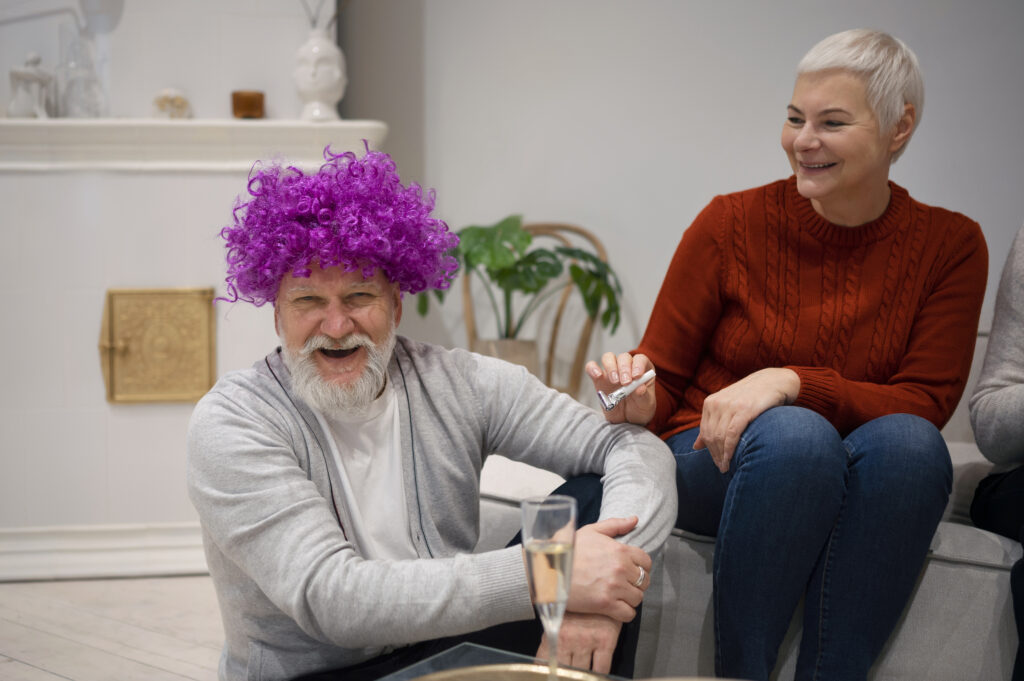
Ageing is a deeply personal journey shaped not only by biological changes but also by emotional, social, and psychological transitions. As individuals grow older, they are required to adapt to shifting roles, changing bodies, evolving relationships, and altered perceptions of self and society. Emotional adaptation in later life determines not just how long people live, […]
Managing Energy Better in Later Life

Understanding Energy Changes in Later Life Growing older brings wisdom, life experience, and a deeper understanding of what truly matters. However, it can also bring physical fatigue, emotional shifts, and changes in daily routines. Many older adults notice that their energy levels are not the same as they once were. Tasks that once felt easy […]
Restoring Functional Independence After Stroke in Older Adults
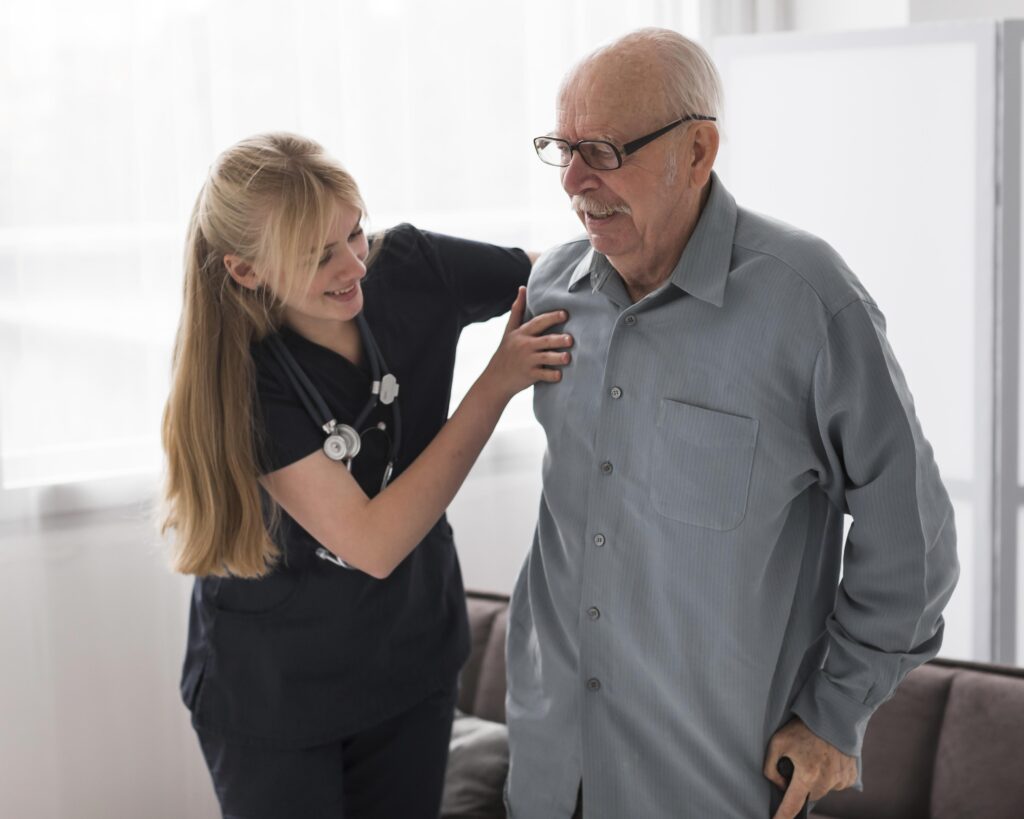
A stroke can change life in an instant. For many older adults, it affects mobility, communication, memory, and the ability to manage everyday tasks independently. Activities that once felt effortless—walking across a room, preparing a meal, or getting dressed—may suddenly require assistance. While the recovery journey can feel overwhelming, regaining independence after a stroke is […]
Fall Prevention Strategies in Geriatric Occupational Therapy
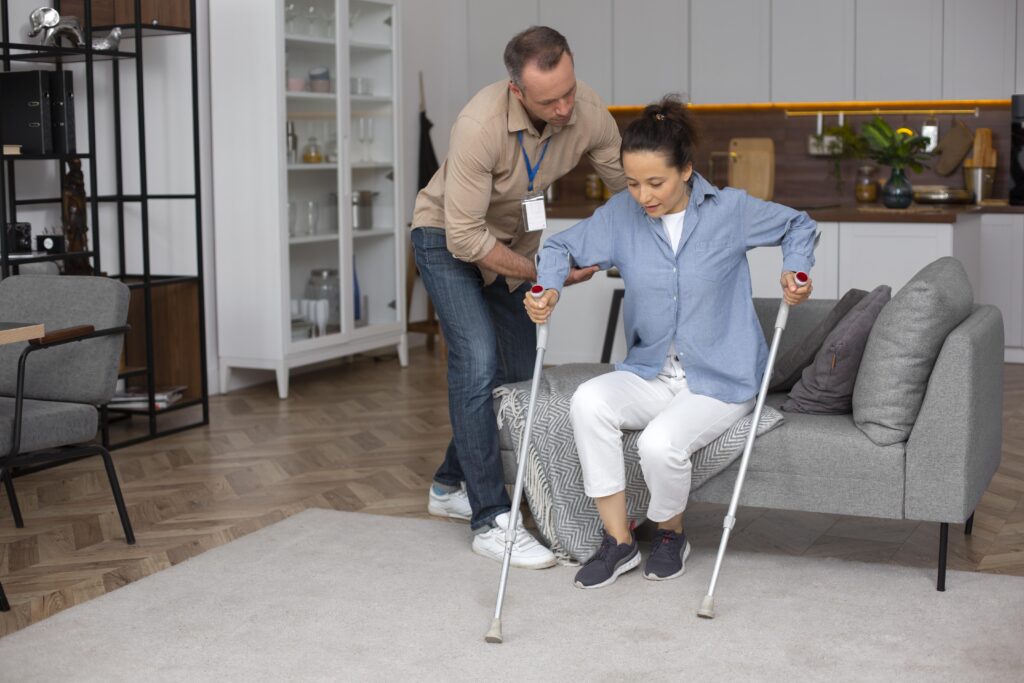
Aging offers wisdom, experience, and a more genuine appreciation for life. However, it also introduces physical and environmental challenges that can increase the risk of falls. For many older adults, a fall is not just a minor accident—it can lead to injuries, loss of confidence, and reduced independence. Occupational therapy is especially useful in this […]
Aging and the Search for Meaning in Later Life

Aging is often described in terms of physical changes—slower movements, health concerns, or retirement from professional life. Yet beyond these visible transitions lies a deeper, more personal journey: the search for meaning. Later life is not simply about growing older; it is about understanding who we are when roles change, responsibilities shift, and time feels […]
Helping Seniors Stay Independent Through Occupational Therapy
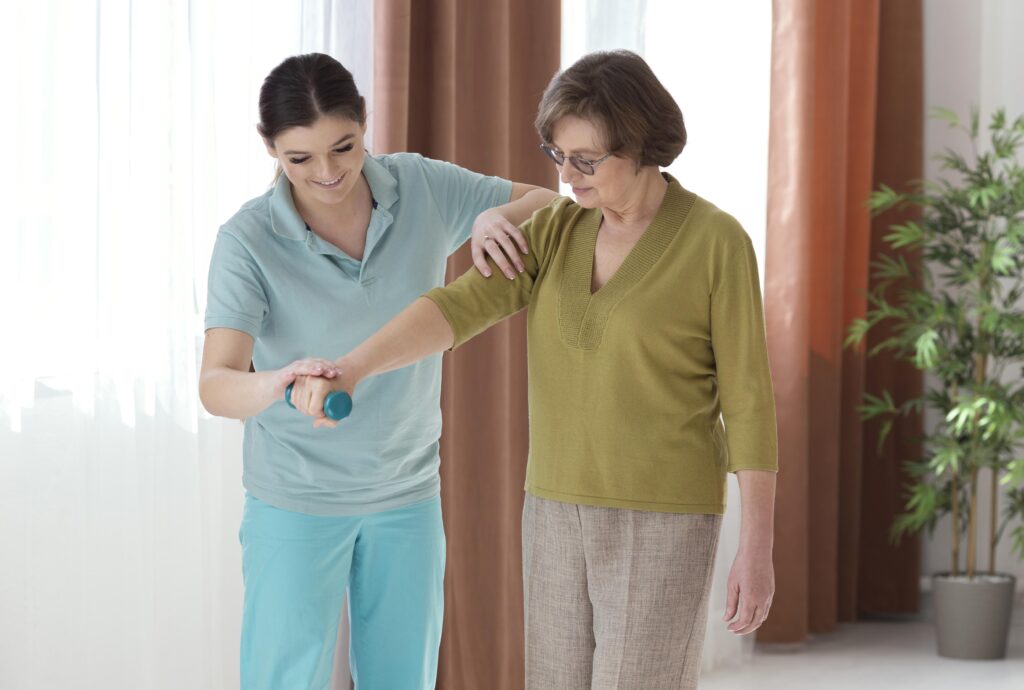
Aging is not a decline—it is a transition. For many older adults, the greatest fear is not growing old, but losing independence. The ability to dress oneself, prepare meals, move freely, manage finances, and stay socially connected is closely tied to dignity and self-worth. Occupational therapy plays a powerful role in helping seniors maintain autonomy, […]