
Elderly Services: Be a Lifeline for the Elderly
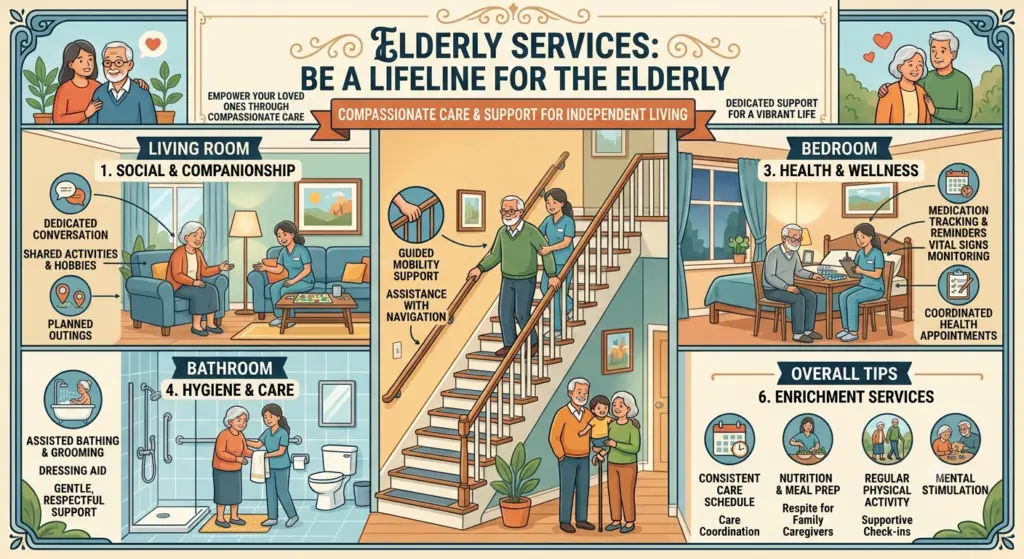
Ageing brings wisdom and meaningful memories but can also involve challenges such as retirement, health changes, reduced mobility, bereavement, financial concerns, and changing family structures. As families become more dispersed, some older adults may need additional support to remain healthy, socially connected, and independent. Elderly services can address practical, emotional, social, and healthcare needs while […]
A Complete Guide to Fall Prevention at Home for Ageing Parents
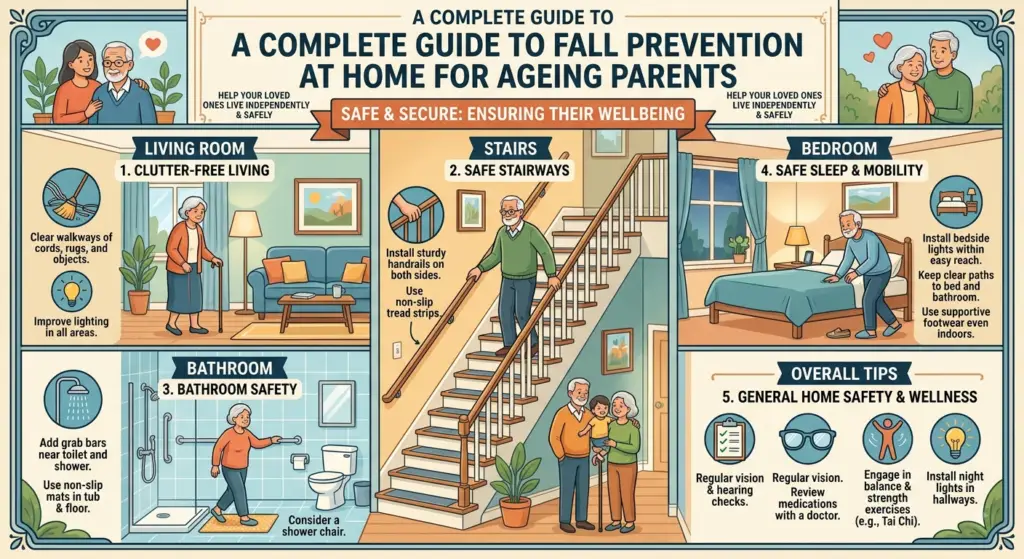
As parents grow older, changes in balance, vision, muscle strength, mobility, and medication use can increase the risk of falls. Falls may lead to injuries, reduced confidence, or loss of independence. However, many household falls can be prevented through simple home modifications, regular health monitoring, and appropriate support, helping older adults remain safer and independent. […]
Top 7 Benefits of Retirement Communities
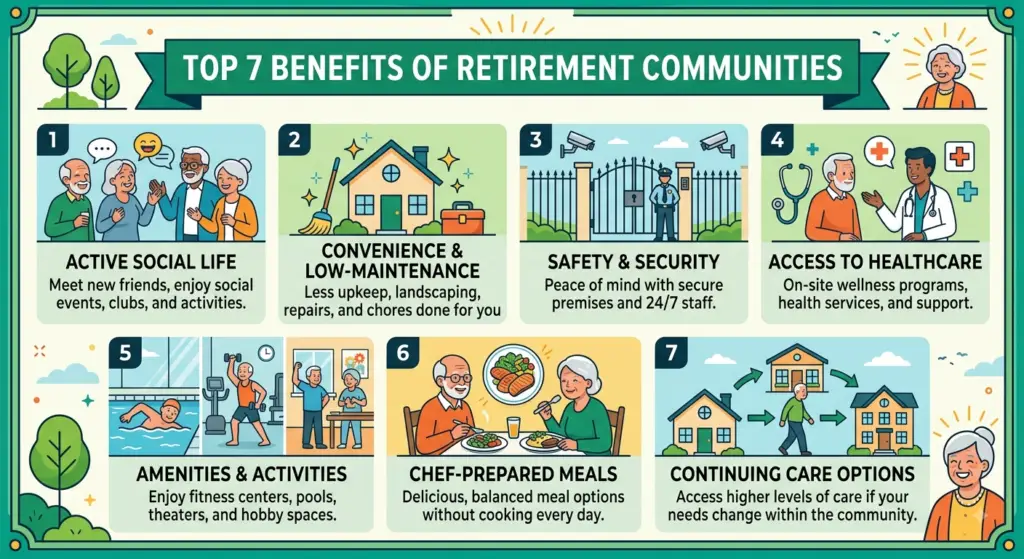
Retirement can mark a meaningful new stage of life, offering older adults more time for personal interests, relationships, health, and community participation. However, adjusting to changes in routine, social roles, and living arrangements can be challenging. Retirement communities can support this transition by promoting independence while providing social activities, practical assistance, and opportunities for connection, […]
The Role of Nutrition in Preventing Cognitive Decline

As people age, maintaining cognitive health becomes an essential part of healthy ageing. While some changes in memory and thinking are a normal part of growing older, significant cognitive decline is not inevitable. Research increasingly highlights the role of proper nutrition in supporting brain function, protecting memory, and reducing the risk of age-related cognitive disorders. […]
Is There a New Definition of Old Age? Understanding Healthy Ageing

Advances in healthcare, improved living conditions, and greater awareness of healthy lifestyles have significantly changed the way people experience ageing. Today, many adults remain physically active, socially engaged, and intellectually productive well into their later years. As a result, the traditional definition of old age is evolving from one of decline and dependency to one […]
Loneliness in Older Adults: Causes, Consequences, & Solutions
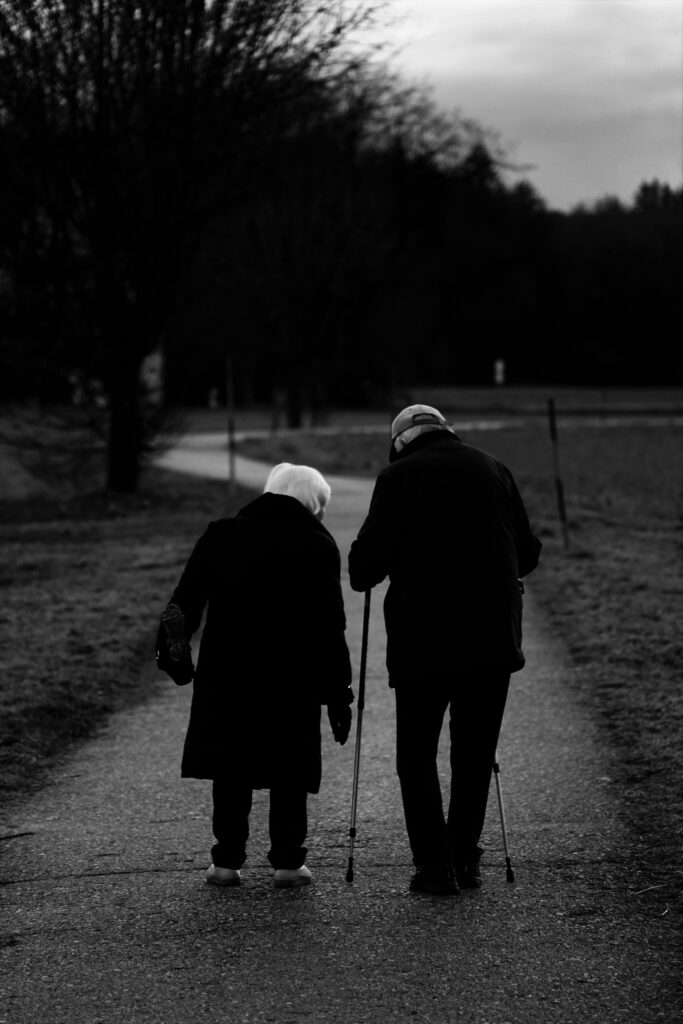
Growing older is often associated with wisdom, life experience, and cherished memories. However, it can also bring significant life changes that affect emotional and social well-being. Retirement, changes in health, the loss of loved ones, and reduced opportunities for social interaction may alter daily routines and increase feelings of disconnection. While spending time alone can […]
Helping Older Adults Build Emotional Resilience During Life Transitions
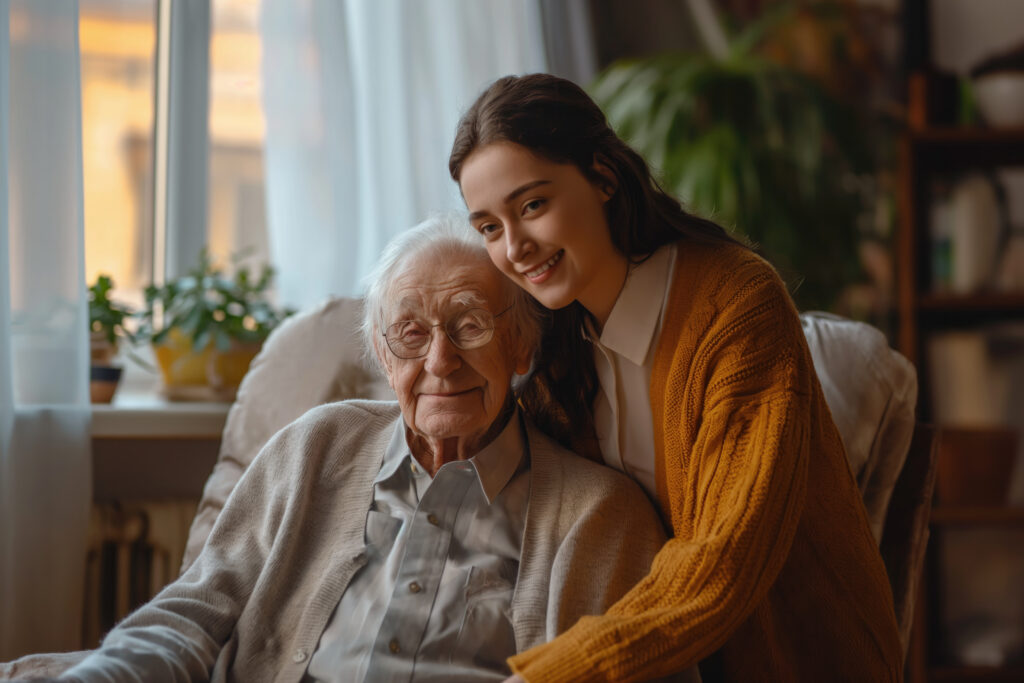
Life is a continuous journey of change, and every stage brings unique opportunities and challenges. Life transitions can be especially important for older persons because they frequently entail changes in daily routines, social interactions, income, family roles, and health. Retirement, the loss of a spouse, children moving away, chronic illnesses, reduced independence, or relocation can […]
Helping Seniors Stay Independent Through Occupational Therapy

Aging is not a decline—it is a transition. For many older adults, the greatest fear is not growing old, but losing independence. The ability to dress oneself, prepare meals, move freely, manage finances, and stay socially connected is closely tied to dignity and self-worth. Occupational therapy plays a powerful role in helping seniors maintain autonomy, […]
Aging Without a Manual: Navigating Life Transitions After Sixty

The transition into the seventh decade of life is one of the most profound stages of aging, yet it is also the one most people are least prepared for. While society offers clear guidance for youth—building careers, raising families, and measuring success—there is little conversation about how to age with meaning after sixty. Aging is […]
Resilience in Wrinkles: Psychological Strengths That Come With Age
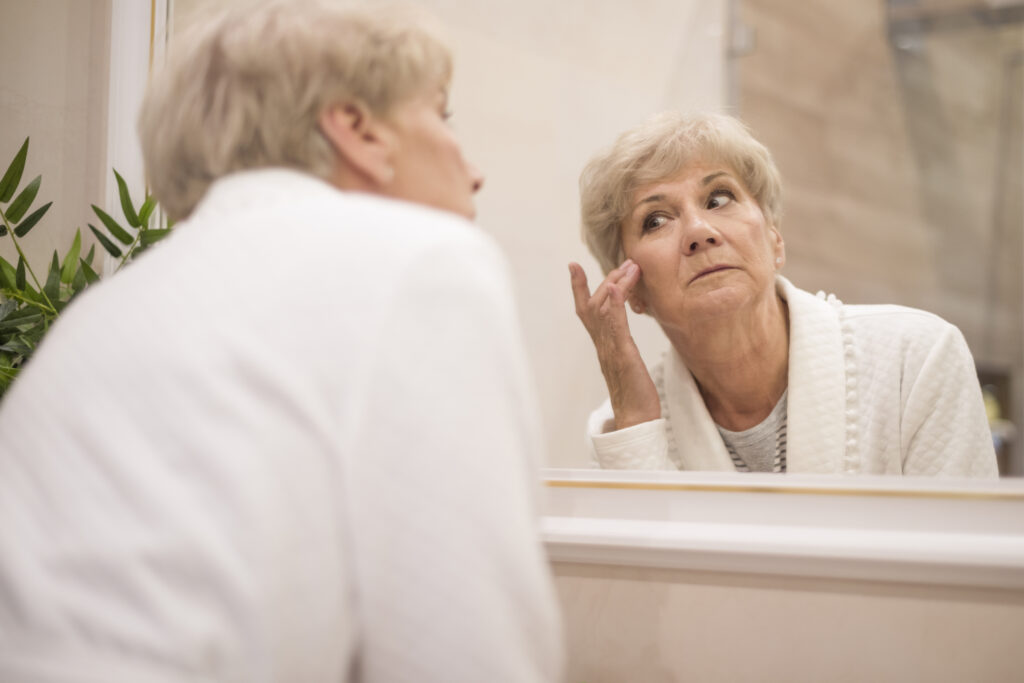
Aging is often framed as decline, a gradual loss of speed and status. Yet clinical psychology highlights the “Paradox of Aging”: despite physical changes, people over sixty report greater emotional stability, resilience, and life satisfaction than younger adults. This strength is earned through experience—each challenge refining perspective and priorities. Rather than fading, later life becomes […]