
Aging is a natural part of life, but it also brings with it a variety of psychological, social, emotional, and physical challenges. Older adults often require increased care, emotional support, and protection to maintain their well-being and dignity. However, despite their vulnerability, safety concerns faced by elderly individuals are frequently overlooked by families, communities, and society.
People are increasingly vulnerable to accidents, health issues, emotional neglect, abuse, financial exploitation, and social isolation as they get older. Many elderly individuals silently struggle with these issues because they fear being dependent, misunderstood, or ignored. In today’s fast-moving world, where younger generations are often occupied with careers and responsibilities, older adults may feel emotionally abandoned and physically unsafe.
Addressing safety issues in older adults is not only a healthcare concern but also a social and emotional responsibility. Ensuring the well-being of senior citizens helps improve their quality of life, emotional health, and overall sense of security.
Why Are Older Adults More Vulnerable?
Aging affects the body and mind in multiple ways. Reduced physical strength, slower reflexes, chronic illnesses, sensory impairments, and memory-related difficulties increase the risk of injuries and dependency.
Older adults may experience:
- Reduced vision and hearing
- Balance and mobility problems
- Cognitive decline
- Emotional sensitivity
- Loneliness and depression
- Reduced financial independence
They are more susceptible to mishaps, abuse, neglect, and psychological discomfort because of these circumstances.
According to research, older people who are socially isolated and have inadequate support networks are more likely to develop physical and mental health issues.
Common Safety Issues Faced by Older Adults
1. Falls and Physical Injuries
One of the most frequent and dangerous safety issues for senior citizens is falls. Aging weakens muscles and balance, increasing the likelihood of accidents at home or outdoors. Slippery floors, poor lighting, uneven surfaces, and a lack of support rails can lead to severe injuries such as fractures or head trauma.
According to the World Health Organization, falls are a major cause of injury-related disability and death among older adults worldwide.
Fear of falling can also reduce confidence and independence, causing elderly individuals to limit movement and social interaction.
2. Elder Abuse and Neglect
Elder abuse is a serious problem that goes unreported. Physical, emotional, verbal, sexual, and financial abuse are all possible. Some elderly individuals are neglected by caregivers or family members, while others experience humiliation, threats, or emotional abandonment.
Financial exploitation is especially common among older adults who depend on others for managing money or property-related matters.
According to the World Health Organization, one in six older individuals are abused in a communal setting.
Unfortunately, many victims remain silent due to fear, shame, emotional dependency, or lack of support.
3. Emotional Isolation and Loneliness
Loneliness is one of the most overlooked safety concerns among elderly individuals. Children moving away, loss of a spouse, retirement, and reduced social interaction can leave older adults emotionally isolated.
One’s physical and mental health may suffer from prolonged loneliness. Studies show that social isolation increases the risk of depression, anxiety, cognitive decline, and cardiovascular diseases.
Emotionally isolated elderly individuals may also become more vulnerable to scams, manipulation, or emotional abuse because of their need for connection and support.
4. Medication and Health Risks
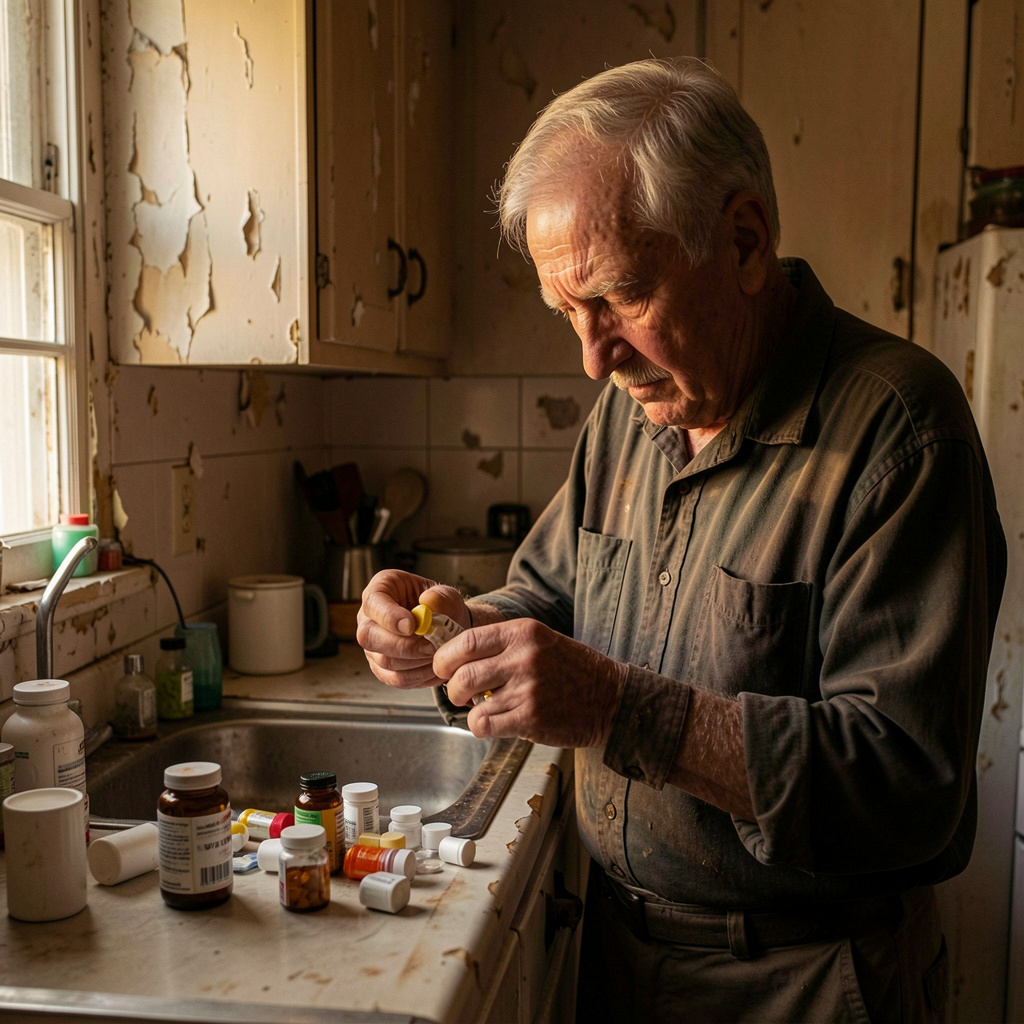
For long-term medical issues, many older persons take many drugs. Confusion regarding dosage, memory problems, or lack of medical supervision can increase the risk of medication errors.
Health-related safety concerns also include:
- Delayed medical care
- Poor nutrition
- Dehydration
- Unsafe living conditions
- Lack of emergency support
Without proper assistance, these risks can significantly affect the quality of life and overall health.
5. Digital and Financial Fraud
As digital banking and online services become more common, older adults may struggle with technology and become easy targets for fraud. Scam calls, fake investment schemes, online fraud, and identity theft disproportionately affect elderly individuals.
Lack of awareness regarding cyber safety can increase financial vulnerability and emotional distress.
Psychological Impact of Safety Concerns in Older Adults
Living with constant fear, dependency, or insecurity can deeply affect an elderly person’s mental health. Older adults facing neglect, abuse, or isolation often experience:
- Anxiety
- Depression
- Low self-esteem
- Emotional withdrawal
- Sleep disturbances
- Feelings of helplessness
Research indicates that emotional well-being has a significant impact on older people’s overall life satisfaction and healthy aging.
Many elderly individuals avoid expressing their fears because they do not want to burden their families. Over time, this emotional repression might exacerbate psychiatric suffering.
How Can Society Make Older Adults Safer?
Encourage Emotional Support and Inclusion
Older adults need emotional connection and social belonging. Spending quality time with elderly family members, listening to their concerns, and involving them in family decisions can improve emotional security.
Simple gestures such as regular conversations, shared activities, or checking on them frequently can reduce loneliness and emotional distress.
Create Safe Living Environments
Homes should be modified to reduce physical risks. Installing grab bars, improving lighting, removing slippery rugs, and ensuring easy access to emergency contacts can help prevent accidents.
Communities should also become more age-friendly by improving public safety and accessibility.
Promote Awareness About Elder Abuse
Families and caregivers must be educated about recognizing signs of elder abuse and neglect. Encouraging open communication and community awareness can help protect vulnerable older adults.
Provide Access to Mental Health Support
Healthy aging requires mental health treatment. Elderly people can manage bereavement, loneliness, anxiety, and emotional challenges with the aid of geriatric counseling, support groups, and therapy.
Platforms like TalktoAngel provide accessible online counselling services for older adults dealing with emotional distress, loneliness, anxiety, and family-related concerns. Similarly, Psychowellness Center offers psychological support, therapy, and mental health care for senior citizens and caregivers.
Organizations such as GDF Foundation are also contributing toward emotional wellness, elderly support, and mental health awareness through community-based initiatives and social welfare programs. As a growing Non-profit organisation, GDF actively works on awareness campaigns, emotional support services, and CSR Activity programs focused on mental health and social care.
Today, many organizations functioning as an ngo in Delhi NCR are focusing on senior citizen welfare, emotional well-being, healthcare awareness, and social support systems. Individuals searching for an Ngo near me are increasingly looking for organizations that provide emotional support, elder care assistance, and psychological counselling near me. Several social welfare and mental health initiatives are now recognized among the Top NGO of India for their contribution toward improving the quality of life for elderly populations.
Conclusion
Older adults are among the most vulnerable members of society, yet their safety concerns often remain unnoticed. Physical injuries, emotional neglect, loneliness, abuse, financial exploitation, and health risks can significantly affect their well-being and dignity.
Aging should not mean losing safety, respect, or emotional support. Families, communities, healthcare professionals, and social organizations all share the responsibility of protecting and supporting elderly individuals.
By creating emotionally supportive environments, improving awareness, ensuring access to mental health care, and strengthening community support systems, society can help older adults live with dignity, security, and emotional well-being in the later stages of life. Individuals and families seeking psychological support can access professional counselling services through Psychowellness Center for in-person consultations and TalktoAngel, an online counselling platform, for convenient virtual support. Initiatives by the Global Development Foundation (GDF) further contribute to promoting mental health awareness, emotional well-being, and community-based support for individuals across different age groups.
Contribution: Dr. R.K. Suri, Clinical Psychologist & Life Coach, and Ms. Sakshi Dhankhar, Counselling Psychologist
References
https://www.psychowellnesscenter.com/Blog/the-hidden-loneliness-of-senior-citizens
https://www.psychowellnesscenter.com/Blog/isolation-among-the-geriatric-population
National Institute on Aging. (2023). Loneliness and social isolation — Tips for staying connected. U.S. Department of Health and Human Services. https://www.nia.nih.gov/health/loneliness-and-social-isolation-tips-staying-connected
Pillemer, K., Burnes, D., Riffin, C., & Lachs, M. S. (2016). Elder abuse: Global situation, risk factors, and prevention strategies. The Gerontologist, 56(Suppl_2), S194–S205. https://doi.org/10.1093/geront/gnw004
World Health Organization. (2021). Ageing and health. https://www.who.int/news-room/fact-sheets/detail/ageing-and-health
World Health Organization. (2021). Elder abuse. https://www.who.int/news-room/fact-sheets/detail/elder-abuse