
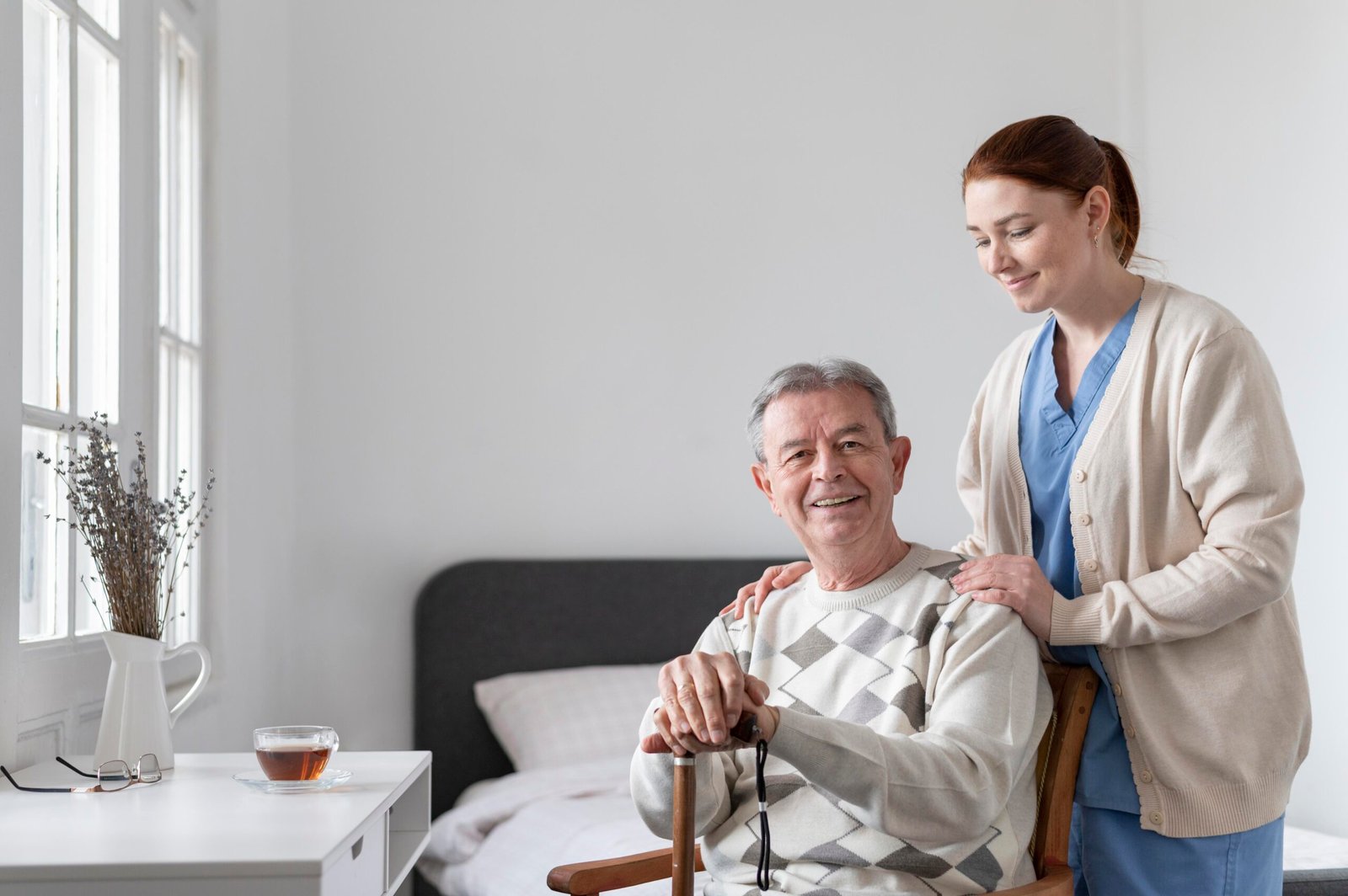
As people age, healthcare systems often tend to focus almost exclusively on managing chronic illnesses with medications, prioritising the treatment of physical symptoms while sometimes overlooking the broader aspects of healthy ageing. While pharmacological interventions are undoubtedly essential for controlling diseases such as hypertension, diabetes, or arthritis, they address only a fraction of what contributes to overall well-being in later life.
True geriatric care goes far beyond prescriptions; it emphasises the integration of physical, cognitive, and emotional health to support older adults in leading meaningful, independent lives. This approach recognises that ageing is a complex, multidimensional process, where mental stimulation, emotional resilience, social connectivity, and physical fitness all play equally vital roles.
Older adults require continuous, coordinated, and personalised geriatric care that addresses these overlapping dimensions, rather than sporadic or episodic treatment focused only on individual medical conditions. By adopting a holistic approach to geriatric care, healthcare providers, families, and communities can help seniors maintain autonomy, enhance quality of life, and engage fully with their surroundings—enabling a more fulfilling, purposeful, and dignified later life.
Understanding Ageing Beyond the Body
Ageing is not merely a biological process; it is a complex interplay of physical changes, mental health, and social environment. Many older adults experience shifts in memory, attention, and emotional regulation, which are natural but can be compounded by stress, anxiety, depression, or loneliness. For example, an older adult recovering from surgery may experience low mood, worry, or even confusion, not simply because of physical illness, but due to the emotional and social challenges of recovery. Treating symptoms with medications alone often overlooks these critical psychosocial factors.
A lifespan perspective shows that cognitive and emotional needs do not stop at any particular age. Just as children benefit from structured learning and social engagement, older adults flourish when provided with intellectual stimulation, social connection, and emotional support. Lifelong learning—whether through hobbies, reading, or online courses—stimulates the brain and builds resilience, helping protect against memory decline. Similarly, engagement in meaningful activities, like volunteering or mentoring, provides purpose and reinforces social bonds.
The Importance of Mental and Emotional Well-being
Physical health is only part of the equation. Mental well-being is equally crucial for seniors. Cognitive decline, depression, and anxiety often go hand in hand, yet they are frequently underdiagnosed. Chronic loneliness can accelerate memory loss and reduce mental resilience, while unmanaged anxiety or depression can increase physical frailty, exacerbate chronic illness, and reduce quality of life.
Older adults who experience trauma, loss, or social isolation are particularly vulnerable. Trauma-related thoughts, negative self-perception, and hopelessness can manifest even in individuals without a formal diagnosis of post-traumatic stress disorder. In such cases, medication alone cannot address the underlying emotional distress. Psychosocial interventions, counselling, and community support are essential components of holistic geriatric care, helping seniors navigate emotional challenges while maintaining autonomy and dignity.
Practical Strategies for Holistic Geriatric Care
1. Promote Social Engagement:
Social connection is essential for cognitive and emotional wellbeing. Supporting both cognitive and emotional health. Activities such as community events, hobby groups, and regular video calls with family help prevent loneliness and keep the brain active.
2. Encourage Lifelong Learning:
Learning new skills, languages, or hobbies strengthens neural pathways, promotes brain plasticity, and provides a sense of accomplishment. Lifelong learning is essential for elders’ overall mental health.
3. Prioritise Physical Health:
Regular exercise, balanced nutrition, and proper sleep support both body and mind. Physical activity increases blood flow to the brain, reduces stress, and enhances mood, which are all critical for healthy ageing.
4. Provide Emotional and Psychological Support:
Access to counselling, therapy, and mental health resources helps seniors cope with anxiety, depression, or trauma-related thoughts. This reflects the mission of a dedicated mental health foundation.
5. Foster Purpose and Autonomy:
Engagement in meaningful activities—such as volunteering, mentoring, or creative projects—gives older adults a sense of purpose and belonging, promoting emotional resilience and reinforcing mindfulness in everyday life.
Why Holistic Care Matters
Focusing solely on medications risks overlooking the broader determinants of quality of life. Holistic geriatric care ensures that older adults maintain dignity, purpose, and autonomy while addressing medical conditions. By addressing mental, emotional, and social dimensions alongside physical health, seniors can experience life with vitality and engagement, rather than merely managing symptoms.
Integrated care systems and geriatric care help reduce unnecessary hospital visits, enhance recovery after illness, and prevent the psychological effects of isolation. A senior with mild cognitive decline, for instance, can maintain independence and quality of life through structured geriatric care, regular mental exercises, counselling, and social engagement—reducing the need for intensive pharmacological interventions.
Conclusion
Ageing is a lifelong journey that intertwines physical, cognitive, and emotional dimensions. While medications are essential for managing chronic illnesses, they are only one part of comprehensive geriatric care. Holistic geriatric care emphasises continuous support, mental health resources, social engagement, and purposeful activities, enabling older adults to live with resilience, dignity, and fulfilment.
The Global Development Foundation (GDF), one of the top NGOs of India and a leading mental health foundation, exemplifies how integrated care can transform the ageing experience. Through partnerships with platforms like Psychowellness Center and TalktoAngel, GDF ensures seniors have access to professional counselling, guidance for managing stress, anxiety, depression, and loneliness, and continuous emotional and cognitive support. By connecting clinical expertise with community-based care, GDF and its partners set a benchmark for the best NGO in India working in geriatric care and as an NGO for elder care, ensuring older adults lead fulfilling, resilient, and empowered lives.
Contributions: Dr. R.K. Suri, Clinical Psychologist, and Ms. Mansi, Counselling Psychologist
References
- https://www.talktoangel.com/blog/benefits-of-geriatric-care-online-counselling
- World Health Organisation. (2015). World report on ageing and health. World Health Organisation. https://www.who.int/ageing/events/world-report-2015-launch/en/
- National Academies of Sciences, Engineering, and Medicine. (2021). Social isolation and loneliness in older adults: Opportunities for the health care system. The National Academies Press. https://doi.org/10.17226/25663
- Beard, J. R., & Bloom, D. E. (2015). Towards a comprehensive public health response to population ageing. The Lancet, 385(9968), 658–661.https://doi.org/10.1016/S0140-6736(14)61461-6