
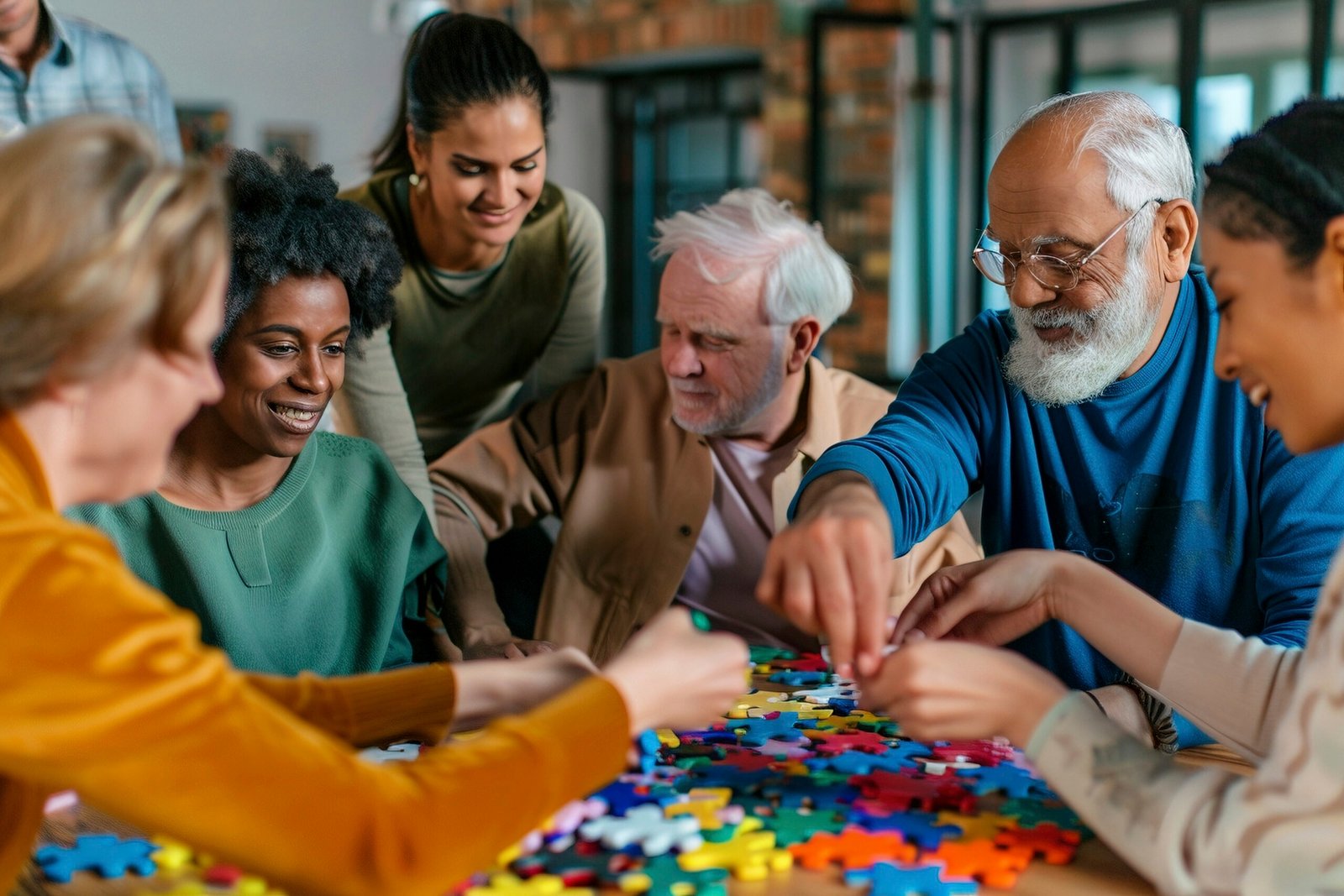
The way we understand the human mind has changed significantly in recent years. Instead of seeing neurological differences only as problems to be fixed, there is growing recognition that minds work in many different ways. This idea, often described as neurodiversity, reminds us that variation in thinking, learning, and processing is a natural part of being human.
Yet conversations about neurodiversity are still largely focused on children and young people. Autism, ADHD, and learning differences are discussed in schools and early intervention settings, while much less attention is paid to what happens as neurodivergent individuals grow older. Ageing, meanwhile, is usually framed around physical health or memory loss, rarely accounting for lifelong neurological differences.
Supporting different minds through every life stage requires a shift in perspective. Neurodiversity does not disappear with adulthood or old age. Needs change, challenges evolve, and strengths remain. When communities recognise this continuity, support becomes more respectful, realistic, and effective.
From a social development lens, organisations such as Global Development Foundation (GDF) encourage inclusive approaches that recognise cognitive and emotional wellbeing as lifelong priorities rather than age-specific concerns.
Understanding Neurodiversity Beyond Childhood
Neurodiversity includes a wide range of neurological experiences, from autism and ADHD to learning and processing differences. While early support is crucial, limiting neurodiversity conversations to childhood can unintentionally erase the experiences of neurodivergent adults and older individuals.
Many neurodivergent adults grow up adapting quietly, often without a formal diagnosis or support. They learn to mask difficulties, develop personal coping strategies, and navigate systems that were not designed with them in mind. As they age, these lifelong adaptations can interact with new challenges such as health changes, retirement, or social isolation.
A lifespan approach recognises that support should not end once schooling is complete. It should evolve, offering flexibility and understanding at every stage of life.
Childhood and Early Support: Laying the Groundwork
In early life, recognition and acceptance play a powerful role in shaping self-worth. Children who are supported rather than corrected are more likely to develop confidence alongside coping skills. Inclusive learning environments, patient caregivers, and clear communication help neurodivergent children feel safe and understood.
Community partnerships with an autism NGO can extend support beyond classrooms, offering guidance to families and promoting social inclusion. Access to services such as an “autism centre near me” often helps children build communication and daily living skills in ways that respect individual differences.
Early experiences of acceptance can have long-lasting effects. When children grow up feeling valued rather than “different,” they carry that sense of belonging into adulthood.
Adulthood: Navigating Expectations and Identity
Adulthood often brings new pressures. Workplaces, relationships, and social roles tend to reward conformity and speed, which can be challenging for neurodivergent individuals. Many adults continue to navigate environments that do not accommodate different communication styles or sensory needs.
These challenges are often intensified by subtle or overt discrimination. Being misunderstood, overlooked, or judged can erode confidence over time, even for individuals who appear outwardly successful. Emotional strain may build quietly, especially when support feels inaccessible or stigmatised.
A strong mental health foundation within communities helps counter these pressures by normalising emotional support for adults at all stages. When psychological care is framed as maintenance rather than crisis response, people are more likely to seek help early.
Mental Health Support Across the Lifespan
Mental health and neurodiversity are deeply connected. Ongoing stress, anxiety, or emotional exhaustion can magnify cognitive challenges and reduce overall well-being. This is why accessible, ongoing support matters—not just during childhood or moments of visible struggle.
An effective NGO for mental health focuses on continuity, ensuring that emotional support remains available as people move through different life phases. Counselling and psychosocial services provided through platforms like Psychowellness Center and TalktoAngel help individuals reflect, adapt, and build resilience without pressure to “fit” a specific norm.
When mental health care is inclusive of neurodivergent experiences, it becomes a source of empowerment rather than correction.
Ageing and Neurodiversity: An Overlooked Reality
Ageing is rarely discussed in neurodiversity conversations, yet neurodivergent individuals grow older just like everyone else. Sensory sensitivities, communication differences, and established routines do not vanish with age. Instead, they may become more pronounced when combined with physical changes or reduced independence.
Traditional elder care settings are often not designed with neurodiversity in mind. This can lead to distress, withdrawal, or misinterpretation of behaviour. Thoughtful geriatric care considers emotional comfort, predictability, and individual preferences alongside medical needs.
Community initiatives led by an NGO for elder care play an important role in advocating for dignity and choice in later life. When elder care environments respect neurological differences, ageing becomes less about loss and more about adaptation.
Neurodiversity as a Public Health and Social Issue
Supporting neurodiversity across the lifespan is not just an individual or family responsibility; it is a broader social concern. Inclusive policies and awareness directly influence participation, well-being, and quality of life.
From a public health perspective, addressing emotional and cognitive well-being early and consistently reduces long-term strain on healthcare systems. It also promotes social inclusion and intergenerational understanding.
In many communities, NGO in India lead this work by filling gaps between healthcare, education, and social support. Operating as a charitable organisation, they provide flexible, community-driven services that adapt to real-life needs rather than rigid age categories.
Building Supportive, Lifelong Systems
True inclusion means designing systems that grow with people. Schools, workplaces, healthcare services, and elder care facilities must recognise that neurological differences are lifelong and deserving of respect at every stage.
Organisations like Global Development Foundation (GDF) demonstrate how integrated community models can support neurodiversity from early development through older adulthood. By partnering with mental health platforms such as Psychowellness Center and TalktoAngel, they help ensure emotional support remains accessible across changing life circumstances. When support systems focus on understanding rather than fixing, individuals are better able to live with confidence and dignity.
Conclusion
Neurodiversity does not belong to any single age group. It shapes experiences from childhood through adulthood and into later life, changing in expression but not in importance. Supporting different minds through every life stage requires empathy, flexibility, and continuous care. By embracing lifelong inclusion and strengthening community-based support, societies can create environments where neurodivergent individuals are not merely accommodated but genuinely valued at every age.
Contribution: Dr. R.K. Suri, Clinical Psychologist, and Ms. Charavi Shah, Counselling Psychologist
References
- American Psychiatric Association. (2022). DSM-5-TR: Diagnostic and statistical manual of mental disorders (5th ed., text rev.). Author.
- Happé, F., Charlton, R. A., & Aging and Neurodevelopmental Disorders Working Group. (2012). Aging in autism spectrum disorders: A mini-review. Gerontology, 58(1), 70–78. https://doi.org/10.1159/000329720
- Kapp, S. K. (Ed.). (2020). Autistic community and the neurodiversity movement: Stories from the frontline. Palgrave Macmillan. https://doi.org/10.1007/978-981-13-8437-0
- Lai, M.-C., Lombardo, M. V., Ruigrok, A. N. V., Chakrabarti, B., Auyeung, B., Szatmari, P., & Baron-Cohen, S. (2017). Quantifying and exploring camouflaging in men and women with autism. Autism, 21(6), 690–702. https://doi.org/10.1177/1362361316671012