

Aging is often portrayed as a period of decline, dependency, and slowing down. Yet, for many older adults, the later years become a powerful chapter of strength, wisdom, and growth. While physical...

Growing old is more than a biological process; it is a deeply human experience shaped by emotions, relationships, memories, and meaning. While physical health often receives the most attention in...
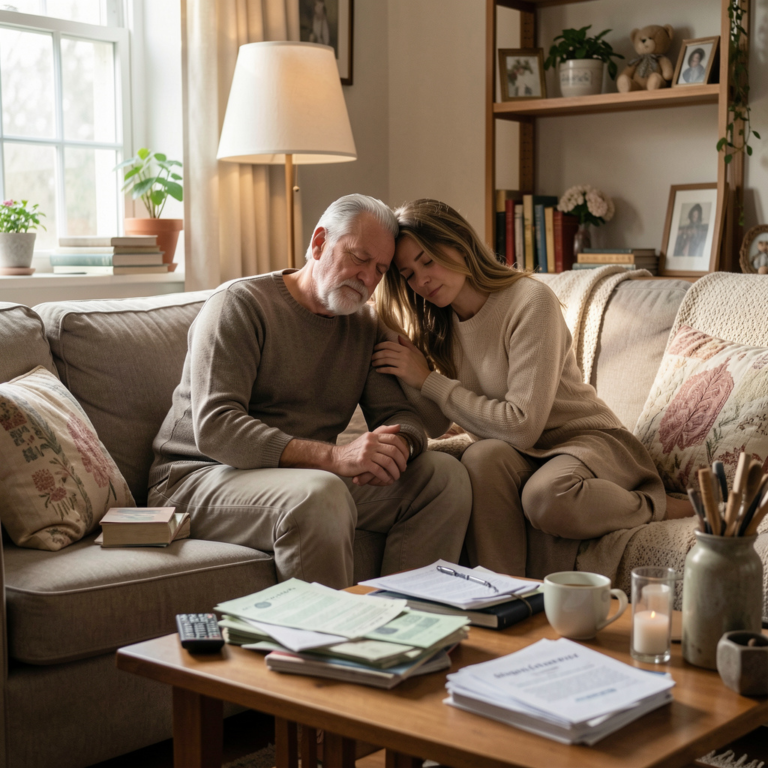
Caring for an aging parent, spouse, or relative is often described as an act of love. It is rooted in gratitude, responsibility, and deep emotional connection. Yet behind the compassion lies a reality...
We live in a time of extraordinary speed. Technology evolves overnight, communication styles shift, workplaces transform, and family structures change faster than ever before. For older adults, this...

Aging is a natural and inevitable part of life, yet for many individuals, the thought of growing older brings an underlying fear that is rarely discussed openly, the fear of becoming dependent on...

The journey into our later years is often imagined as a time of tranquillity, reflection, and the enjoyment of life’s slower pace. Yet, for many seniors, this period is far more complex. Beneath the...

After the age of sixty, sleep becomes a defining factor in mental health and emotional resilience. Contrary to the belief that older adults need less rest, the requirement for restorative sleep...
The transition into the seventh decade of life is one of the most profound stages of aging, yet it is also the one most people are least prepared for. While society offers clear guidance for...
Aging is often framed as decline, a gradual loss of speed and status. Yet clinical psychology highlights the “Paradox of Aging”: despite physical changes, people over sixty report greater emotional...
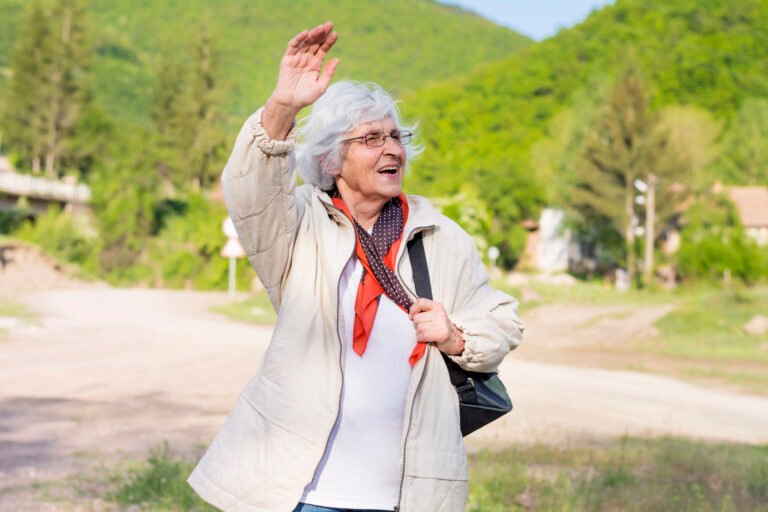
As we move into the later chapters of life, a quiet paradox emerges: even as our physical world may contract, our inner landscape can expand without limit. This stage is not merely chronological but a...
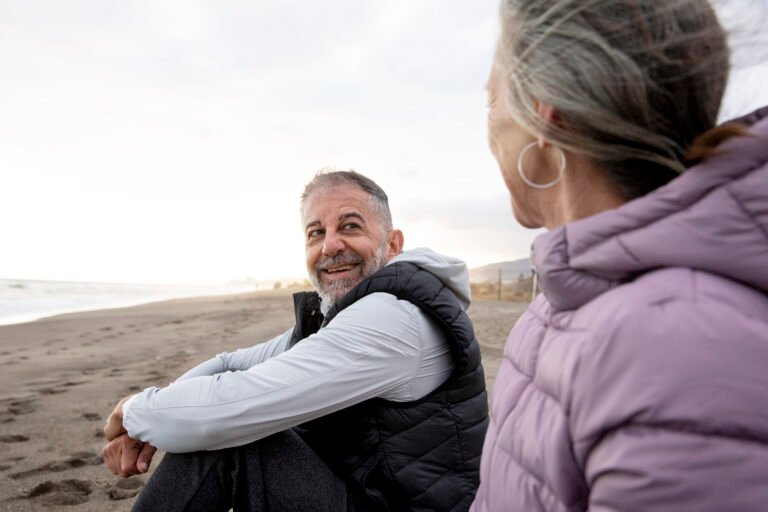
As men cross the threshold of ageing, they often encounter a quiet, internal battle that society rarely prepares them for. While the conversation around ageing frequently centres on the decline of...

For the better part of our lives, our value and self-worth are measured by our output. We are defined by the titles we hold, the income we generate, and the roles we fulfil as providers and...
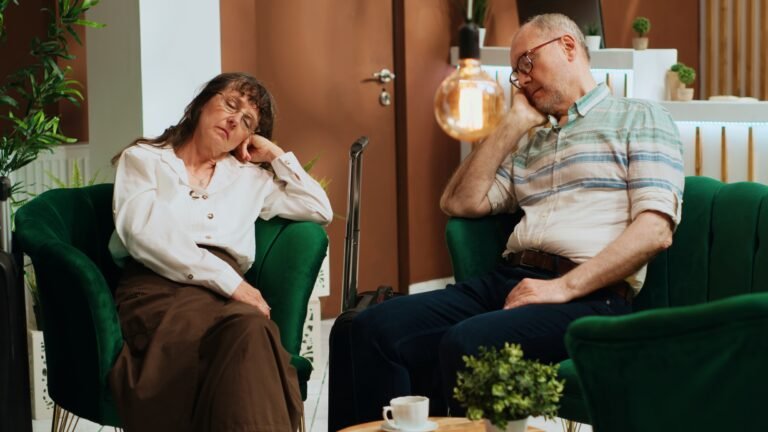
In our society, the later years of life are often envisioned as a time of peaceful slowing down—a “sunset” period defined by leisure and the absence of responsibility. However, this...
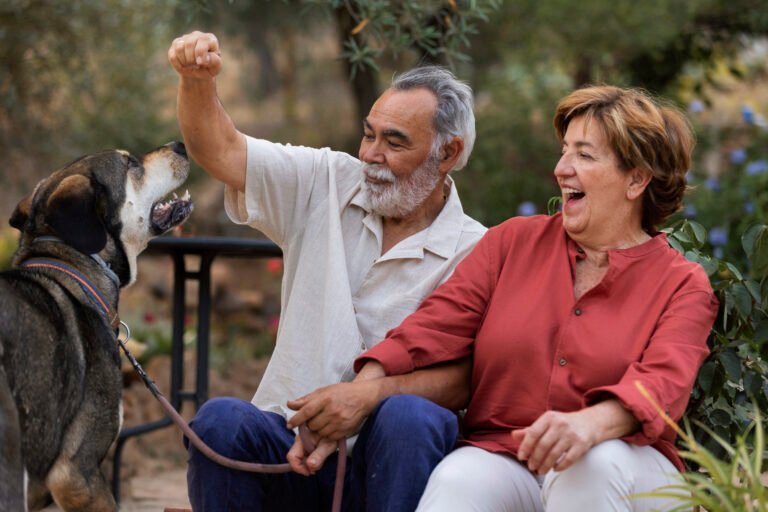
Independence is often associated with youth, productivity, and physical strength. In later life, however, independence takes on a deeper and more nuanced meaning. Aging brings changes in health...
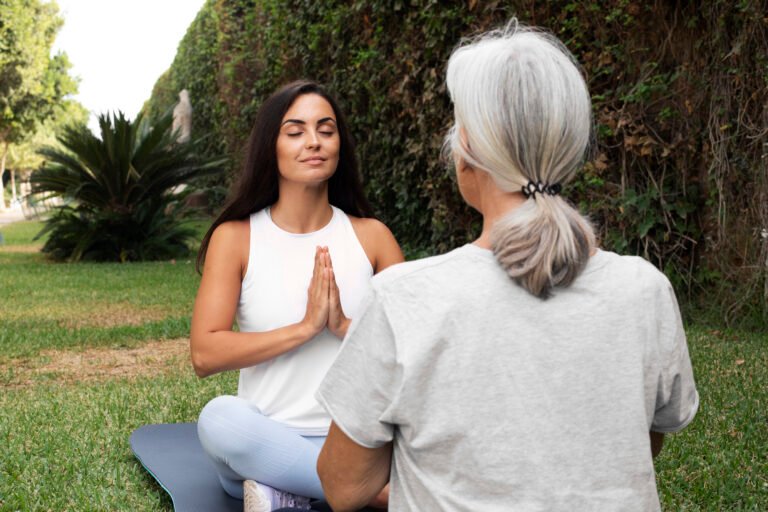
The transition into the seventh decade of life is often described as a journey toward the “inner horizon.” While the earlier years are dominated by external achievements, building careers...