

The way we understand the human mind has changed significantly in recent years. Instead of seeing neurological differences only as problems to be fixed, there is growing recognition that minds work in...

When people hear the term “cognitive disorders,” they often imagine very different things depending on age. For some, it brings to mind a child struggling in school. For others, it means an older...

Mental health is often treated as a concern that appears at specific points in life—during exams, a work crisis, or serious illness. In reality, emotional well-being shapes everyday experiences from...

Retirement is often portrayed as a long-awaited reward after decades of work. It is described as a time for rest, freedom, and personal pursuits that were once postponed. Yet for many older adults...

Loneliness in later life is often underestimated, dismissed as a natural part of aging or confused with the simple desire for solitude. In reality, loneliness among older adults is a profound...
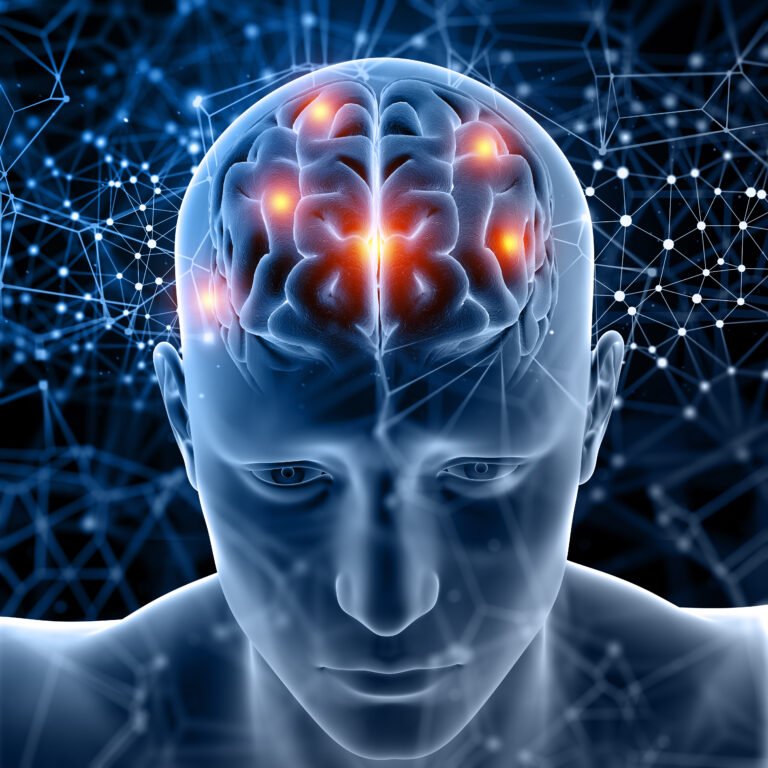
The human brain is not a static organ. From early neurodevelopment in infancy to the changes seen in old age, it undergoes continuous structural and functional transformations that shape how...

Attention, memory, and emotional regulation are deeply interconnected aspects of how the brain functions. Yet, when people experience difficulties in these areas, they are often addressed separately...

As people age, healthcare systems often tend to focus almost exclusively on managing chronic illnesses with medications, prioritising the treatment of physical symptoms while sometimes overlooking the...

Aging is a natural and inevitable part of life, yet the years after 60 often bring unique physical and emotional shifts that require thoughtful adjustment. This stage is not merely about managing...

Cognitive health is often approached in fragmented ways, with childhood neurodevelopmental conditions treated separately from age-related cognitive decline. Autism and ADHD are typically addressed...

Life after 60 marks a powerful transition. It is often misunderstood as a period of decline, yet for many, it becomes a phase of rediscovery, reflection, and renewed meaning. With changing roles...
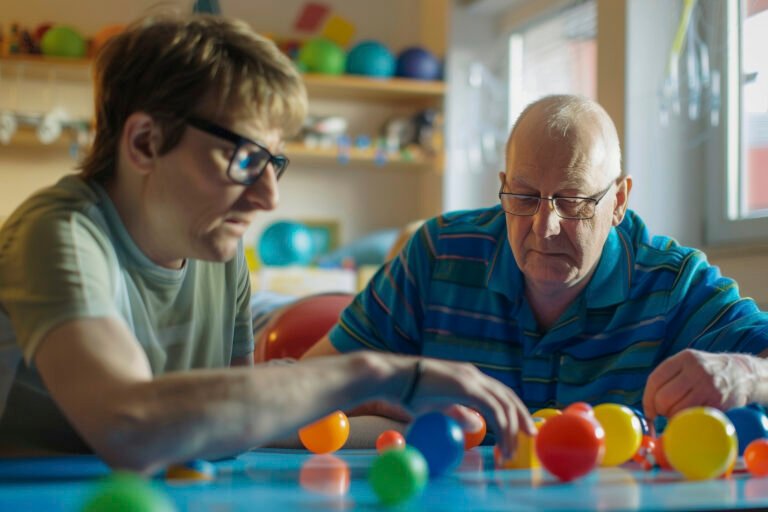
Brain health is not limited to one stage of life—it evolves continuously, shaped by genetics, environment, relationships, emotional experiences, and physical health. From early neurodevelopmental...

Cognitive disorders affect individuals across the lifespan, influencing how they think, learn, remember, communicate, and function in daily life. From neurodevelopmental conditions in childhood to...

The human brain is not a static organ; it evolves continuously across the lifespan. From rapid neural growth in early childhood to gradual structural and functional changes in older adulthood, brain...

Brain health is not a single milestone achieved at one stage of life—it is a lifelong continuum shaped by biological, psychological, social, and environmental factors. From early childhood development...