

As people grow older, gradual physical changes become a natural part of life. Reduced muscle strength, joint stiffness, slower reflexes, balance difficulties, and decreased endurance can all affect...

Aging is a natural stage of life, and many older adults prefer to remain in the comfort of their own homes rather than relocate to assisted living facilities. Familiar surroundings provide emotional...

Understanding Energy Changes in Later Life Growing older brings wisdom, life experience, and a deeper understanding of what truly matters. However, it can also bring physical fatigue, emotional...

Life after sixty marks a powerful turning point. It is a stage shaped by reflection, reinvention, and resilience. While aging brings wisdom and perspective, it also introduces a series of transitions...

Aging is often described in terms of numbers, diagnoses, or visible changes. Yet the true experience of being old is far more intimate and inward. It is shaped by memory, emotion, identity, and...

Aging often brings wisdom, experience, and a deeper appreciation for life. However, it can also introduce physical and functional challenges that affect independence. Many older adults begin to find...

A stroke can change life in an instant. For many older adults, it affects mobility, communication, memory, and the ability to manage everyday tasks independently. Activities that once felt...
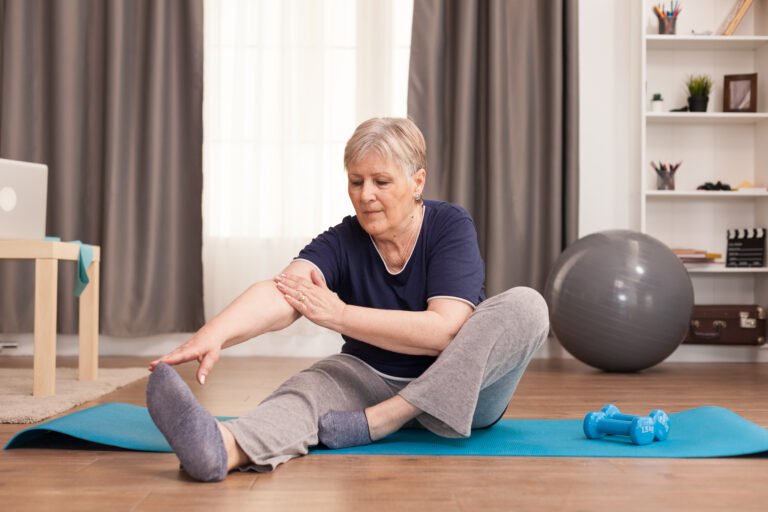
Aging brings wisdom, resilience, and life experience. However, it can also bring physical challenges that affect everyday comfort and independence. One common concern among older adults is arthritis...

Aging offers wisdom, experience, and a more genuine appreciation for life. However, it also introduces physical and environmental challenges that can increase the risk of falls. For many older adults...
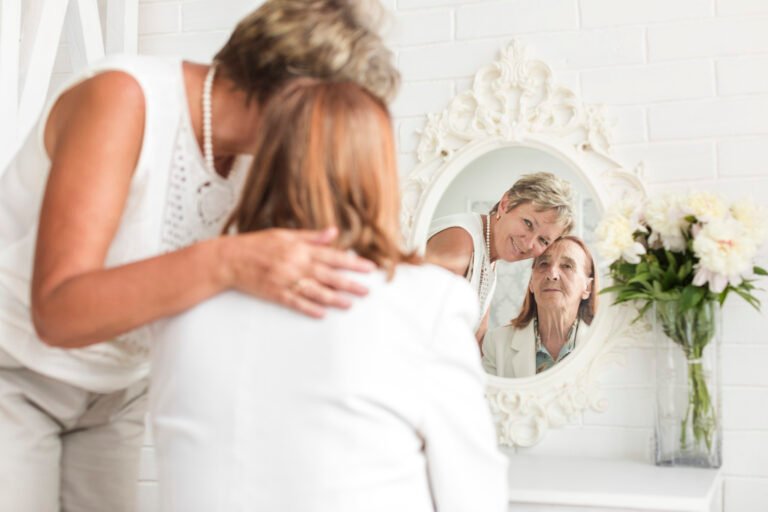
Aging is often discussed in terms of physical health, but the psychological journey is equally significant. As people grow older, their sense of identity, priorities, emotional responses, and...
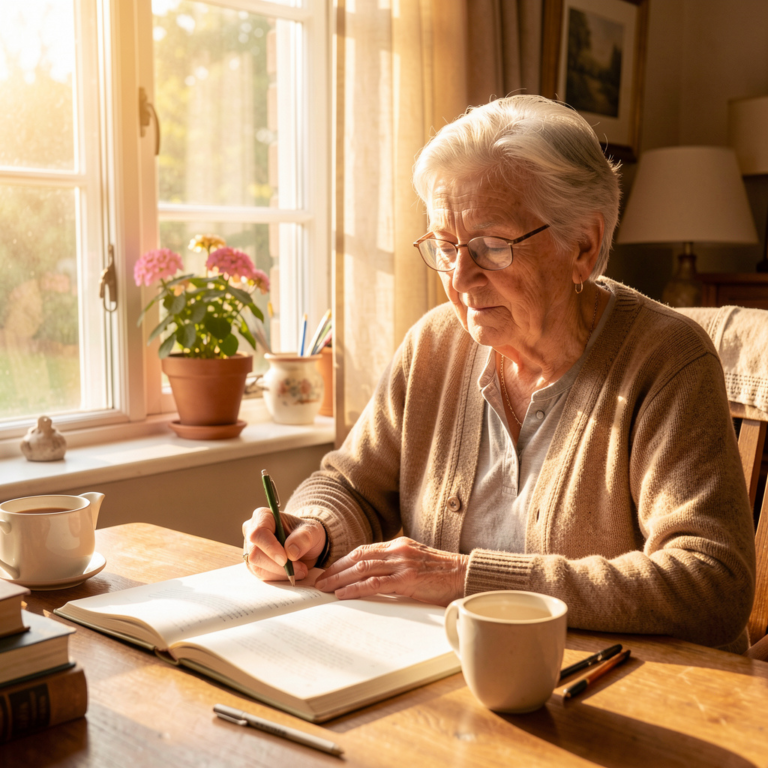
Retirement is often imagined as a long-awaited pause—freedom from deadlines, early alarms, and workplace stress. Yet, when the routine actually ends, many seniors discover that retirement is not...

Aging is often described in terms of physical changes—slower movements, health concerns, or retirement from professional life. Yet beyond these visible transitions lies a deeper, more personal...

Ageing is a journey marked by new opportunities for reflection, exploration, and contribution. As routines evolve and roles shift, individuals often find space to revisit long-held passions, explore...
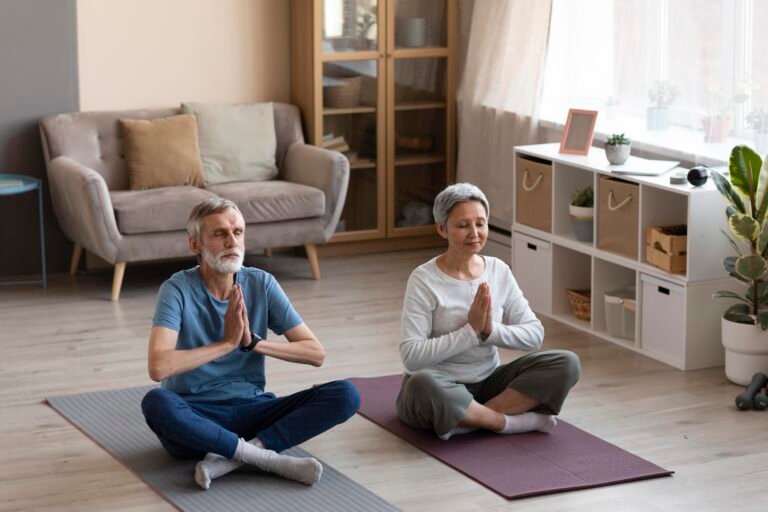
Crossing the age of 60 is often viewed as the beginning of slowing down, but for many individuals, it can also mark a period of rediscovery, freedom, and renewed purpose. Later adulthood brings...

Aging is not a decline—it is a transition. For many older adults, the greatest fear is not growing old, but losing independence. The ability to dress oneself, prepare meals, move freely, manage...