

Trauma does not disappear with time—it waits. For many older adults, emotional wounds from earlier stages of life resurface during later years, often in subtle yet deeply distressing ways. Childhood...

The human body possesses a remarkable ability to communicate what the mind is sometimes unable to express in words. In the later stages of life, this internal dialogue often manifests as psychosomatic...

A restful night is often considered one of the simplest pleasures of life, yet for a significant portion of the senior population, it remains an elusive goal due to sleep disorders. While it is a...

The human brain is often compared to a sophisticated engine that requires meticulous maintenance to function optimally throughout a long journey. From the early stages of childhood, where the...

Mental health is a lifelong continuum, shaped by experiences from early childhood to old age. While child psychology and geriatric counselling may appear to serve opposite ends of the lifespan, both...
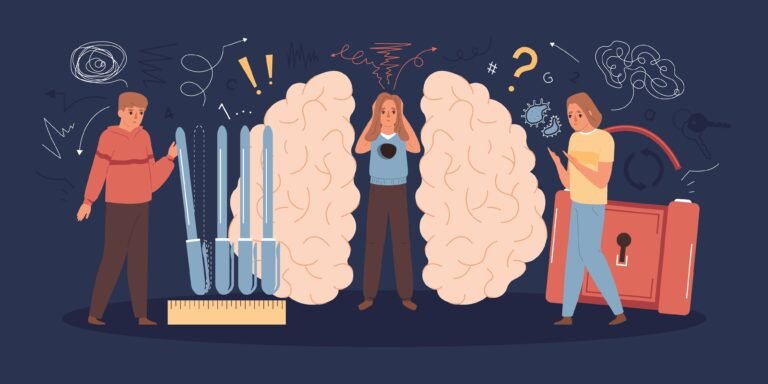
The human brain is an incredibly sophisticated organ that remains in a constant state of flux throughout our lives. From the moment we are born, our neural architecture begins a lifelong process of...

Emotional and cognitive health are central to human well-being, shaping how individuals think, feel, learn, and relate to others throughout their lives. From early childhood curiosity to the...

Mental health is not a concern limited to a single phase of life; it is a dynamic and evolving aspect of human wellbeing that requires attention from early childhood through older adulthood. Each...

Lifespan psychology offers a comprehensive framework for understanding how human cognition, emotions, and behaviour evolve from infancy through old age. Rather than viewing mental health as a static...

The safety and dignity of our elders are fundamental values that every society strives to uphold. However, behind closed doors, many seniors face a distressing reality that is often shrouded in...
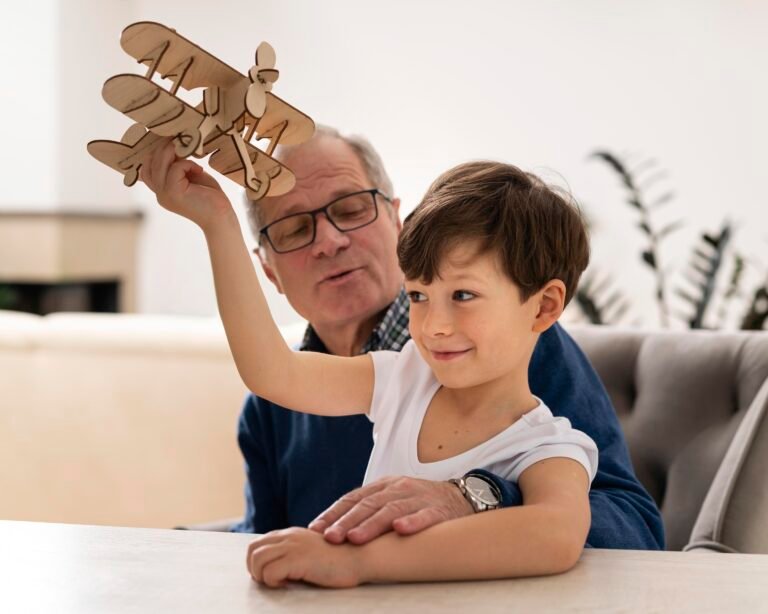
The journey of human cognition is a lifelong odyssey that begins with the rapid fire of neurons in infancy and moves through the complex adaptations of adulthood toward the seasoned wisdom of later...
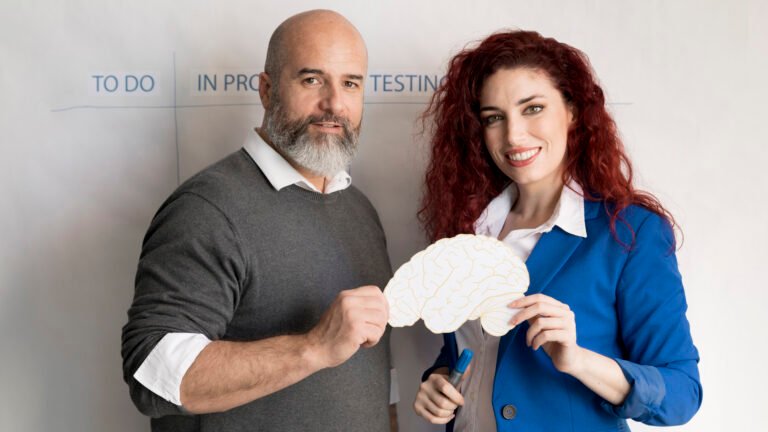
The human experience is far too complex to be defined by a single word or a diagnostic category. For decades, we have relied on various clinical terms to describe the struggles people face, but these...

The human brain is a remarkably adaptable organ, often capable of masking significant internal challenges behind a facade of daily competence. Many individuals navigate their personal and professional...
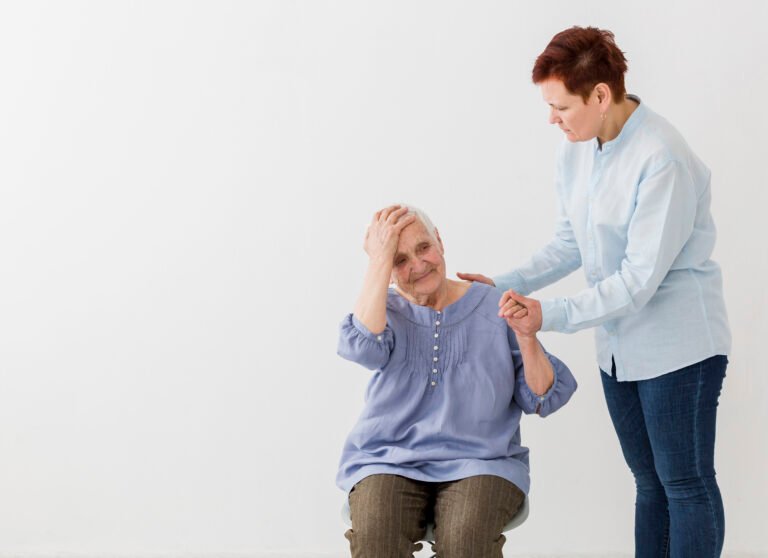
Caregiving is often portrayed as an act of selfless devotion, a duty born out of love and familial responsibility. However, beneath this noble task lies a complex psychological reality that can...

As we navigate the later stages of life, how we interact with the world around us often undergoes significant shifts. For many families, observing a sudden change in a parent’s or grandparent’s...