
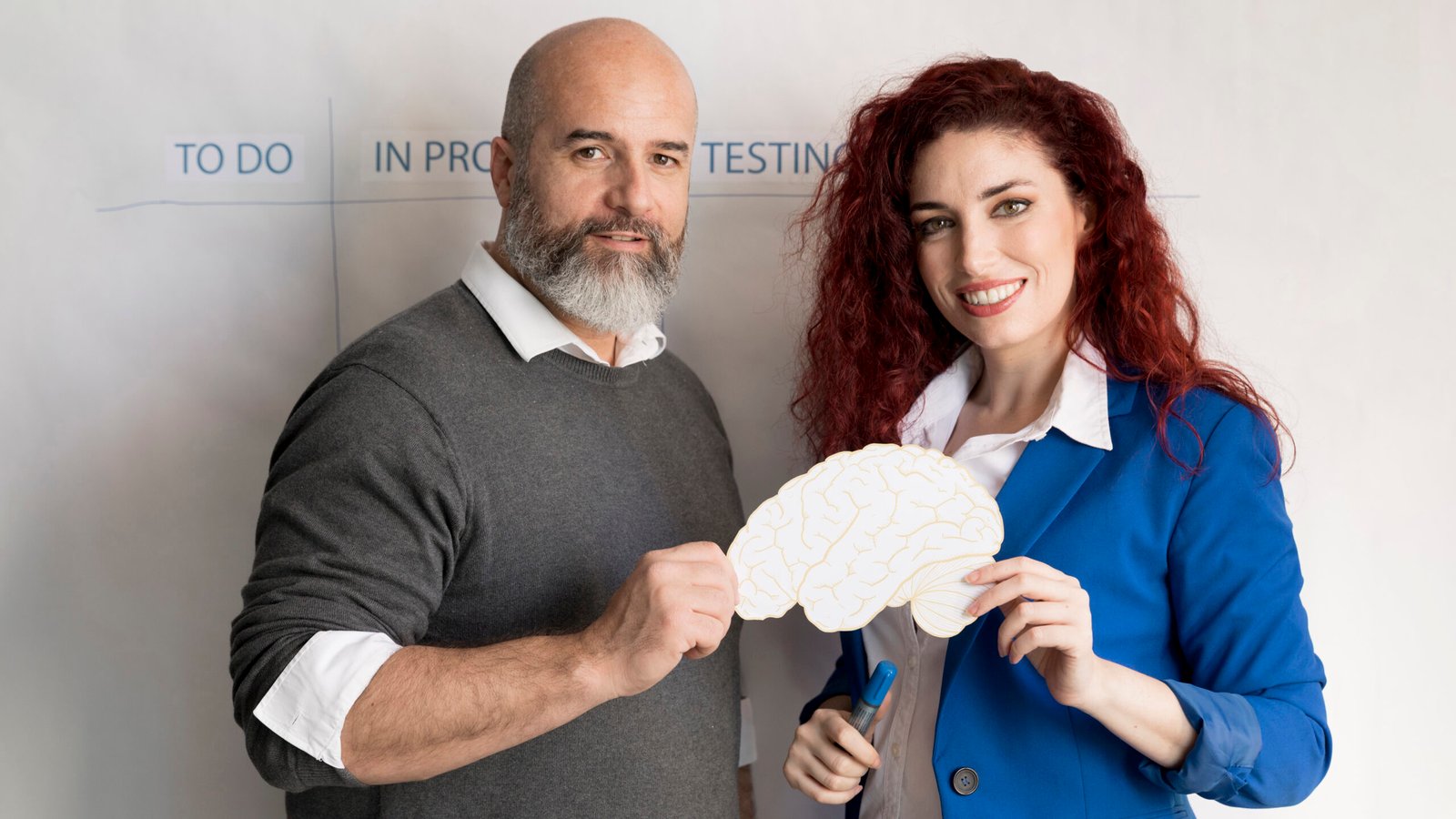
The human experience is far too complex to be defined by a single word or a diagnostic category. For decades, we have relied on various clinical terms to describe the struggles people face, but these categories often fail to capture the dynamic nature of the human brain and mental health. Instead of viewing the mind through a narrow lens of “disorders,” a more holistic approach looks at how the brain grows, adapts, and occasionally reaches its limits across different stages of life. This perspective shifts the focus from what is “wrong” with a person to how their unique neurological system and mental health are navigating the world around them.
Whether we are looking at a child developing new skills, an adult managing a career, or a senior navigating retirement, the brain is constantly shifting its priorities. By moving beyond simple descriptions, we can begin to see the “whole brain” as a living, breathing system that requires different types of nourishment and support at different times. Understanding this lifecycle of the mind strengthens our approach to mental health, allowing us to replace judgment with insight and providing a clearer roadmap for achieving long-term emotional and cognitive harmony.
The Developing Brain: From Infancy to Adolescence
In the early years, the brain is a powerhouse of connectivity. However, this rapid growth can sometimes lead to uneven progress in certain areas. Understanding these “unseen” hurdles is vital for early intervention and for supporting a child’s overall mental health and emotional well-being.
- Executive Functioning Gaps: Many children labelled as “difficult” are actually dealing with a developmental delay in the brain’s command center. This affects their ability to plan, focus, and follow multi-step instructions.
- The Impulse Control Challenge: What often looks like behavioural issues is frequently a struggle with emotion control, as the logical part of the brain is still catching up to the emotional centres.
- Supportive Environments: When a child’s environment doesn’t match their neurological needs, they may experience early symptoms of ADHD or behavioural outbursts. A whole-brain approach looks at sensory needs rather than just “bad behaviour.”
The Adult Brain: Managing Performance and Pressure
During adulthood, the brain is optimised for complex problem-solving. However, the high demands of modern life can lead to a state of survival mode, where the brain’s higher functions are bypassed by stress responses—significantly impacting overall mental health and emotional well-being.
The Weight of Modern Demands
Chronic stress can physically alter the brain, making it harder to access “cognitive flexibility.” When the brain is overwhelmed, it can lead to a state of total burnout, where even simple tasks feel impossible.
The Emotional Toll
Persistent pressure without adequate support often manifests as depression or a feeling of being “stuck.” This is the brain’s way of conserving energy when it feels defeated by its environment.
Coping Mechanisms
When the brain’s internal resources are depleted, individuals may turn towardaddiction as a maladaptive way to “numb” the mental noise and find temporary relief from overwhelming thoughts.
The Internal Alarm
Many adults live with a constant “high alert” state, which we often label as anxiety. From a whole-brain perspective, this is a misfiring of the brain’s safety system that can be retrained.
The Ageing Brain: Maintenance and Wisdom
In later life, the brain shifts from “speed” to “depth.” While some processing speeds may slow down, the ability to see patterns and provide wisdom often increases.
- Maintaining Independence: As physical changes occur, a senior may move toward a state of dependence on others. This transition requires significant psychological adjustment to prevent a loss of self-worth.
- The Impact of Social Health: Subjective loneliness is one of the most significant threats to the ageing brain. Without social stimulation, the brain’s “cognitive reserve” can deplete more rapidly, affecting memory and mood.
- Navigating Transitions: Marital shifts and the loss of peers can strain a relationship, making emotional support and clear communication more important than ever to maintain mental clarity.
Moving Toward Whole-Brain Solutions
To truly support mental health across the lifespan, we must move away from “fixing labels” and toward “nurturing systems.”
- Holistic Growth: True self-improvement involves more than just changing thoughts; it involves lifestyle shifts that support brain chemistry, such as better sleep, nutrition, and social connection.
- Community Support: As a dedicated non-profit organisation, the Global Development Foundation (GDF) works to provide community-based programs that address the root causes of mental distress across generations.
- Professional Guidance: Seeking help from a mental health foundation ensures that individuals have access to trauma-informed care and neuro-psychological assessments that see the “whole person.”
- Accessibility: Finding a specialised NGO for mental health allows families to access resources that bridge clinical expertise with community empathy, ensuring that no one is left behind.
5 Pointers for Lifelong Mental Vitality
- Stimulate Your Mind: Engage in “neurobics”—new and challenging activities that force your brain to build new pathways.
- Prioritise Connection: Social interactions are like “exercise” for the brain’s emotional and cognitive centres.
- Manage Your Cortisol: Practice daily relaxation techniques to prevent chronic stress from “shrinking” the brain’s memory centres.
- Audit Your Environment: Ensure your home and workspace reduce cognitive load rather than adding to it.
- Look Beyond the Label: If you or a loved one is struggling, ask what the brain is trying to communicate through that struggle.
Conclusion
Understanding the whole brain across the lifespan allows us to move beyond limiting labels and toward a future of genuine empowerment and healing. By acknowledging that our mental needs evolve at every stage of life, we can foster a society that values resilience, dignity, and inclusive support. At the Global Development Foundation (GDF), we are committed to this holistic vision of wellness, positioning GDF as a leading force in community-driven mental health initiatives.
Through meaningful collaboration with platforms like TalktoAngel and the Psychowellness Center, GDF strengthens access to professional care—bridging clinical expertise with community empowerment to navigate the complexities of the mind. For those seeking specialised support, the Psychowellness Center offers expert psychological counselling in Delhi, providing a safe space to address emotional hurdles and foster sustainable well-being. Together, we can ensure that every individual, regardless of age, has the tools they need to live a fulfilling and mentally vibrant life.
Contribution: Dr. R.K. Suri, Clinical Psychologist, and Mr. Umesh Bhusal, Counselling Psychologist
References
- Diamond, A. (2013). Executive Functions. Annual Review of Psychology.
- Seligman, M. E. P. (2011). Flourish: A Visionary New Understanding of Happiness and Well-being. Free Press.
- Moniz-Cook, E. D., & Manthorpe, J. (2009). Early Psychosocial Interventions Across the Lifespan. Jessica Kingsley Publishers.
- World Health Organization (WHO). Mental Health: Strengthening Our Response Across the Life Course.
- American Psychological Association (APA). The Lifespan Perspective on Mental Health and Cognitive Well-being.