
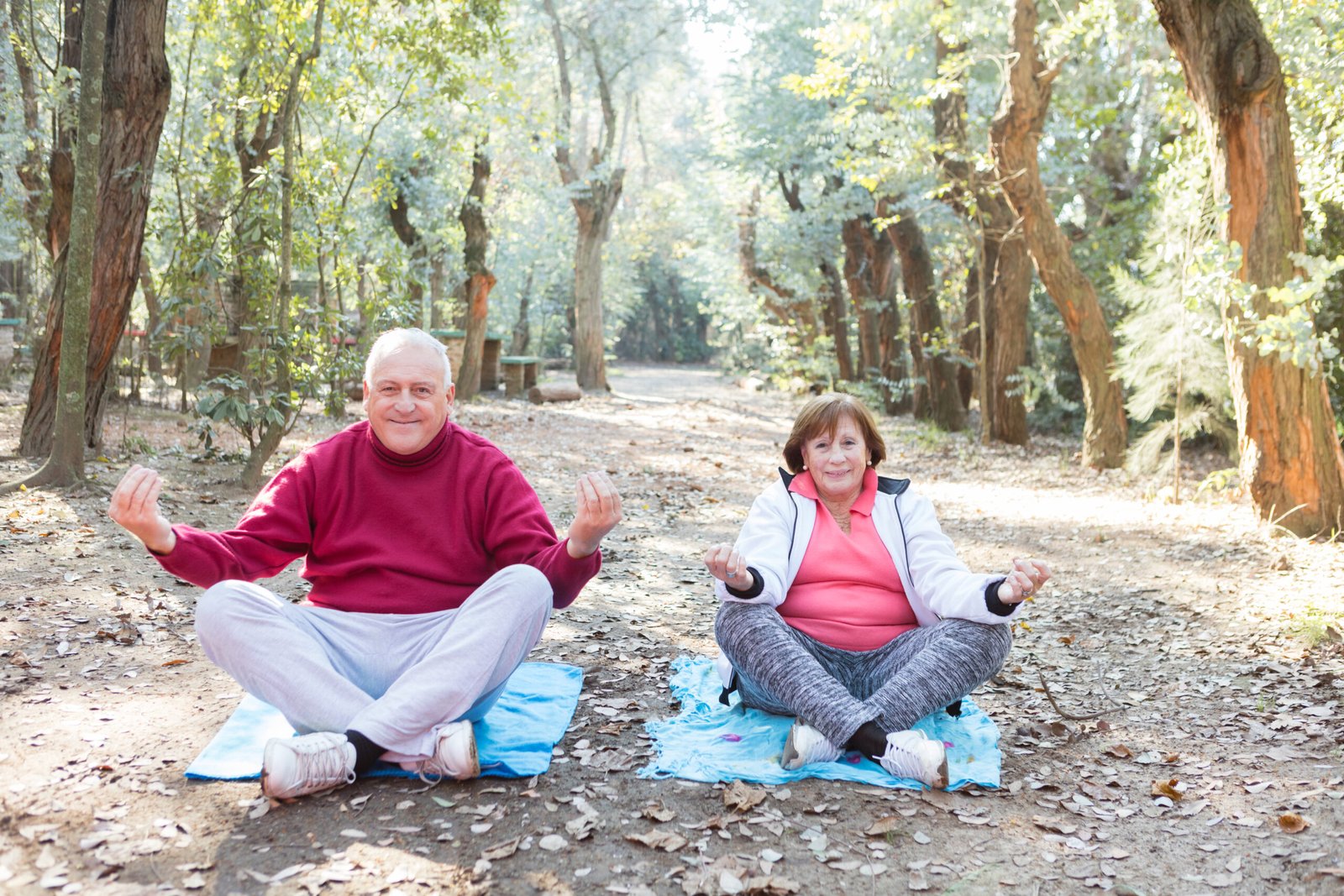
Life after 60 marks a powerful transition. It is often misunderstood as a period of decline, yet for many, it becomes a phase of rediscovery, reflection, and renewed meaning. With changing roles, shifting responsibilities, and evolving relationships, this stage of life offers an opportunity to redefine purpose, strengthen identity, and nurture emotional well-being in deeply fulfilling ways.
Understanding the Emotional Shift After 60
Life after 60 brings subtle yet significant emotional changes, often shaped by retirement, independent children, and shifting life roles. Many older adults experience anxiety as they adjust to a slower pace of life and questions about relevance and independence. These feelings are not a sign of weakness but a natural response to transition. Acknowledging emotions openly is the first step toward emotional balance.
The Role of Physical and Mental Vitality
Maintaining physical health becomes central to well-being in later years. Energy levels, mobility, and stamina influence confidence and independence. However, emotional wellness is just as critical. Mental clarity, self-worth, and emotional stability contribute to the overall quality of life. When the body and mind are nurtured together, individuals feel more empowered to engage with life meaningfully.
Navigating Family Dynamics and Changing Roles
Family relationships can change significantly in life after 60, as adult children relocate, roles shift within the home, and familiar dynamics evolve. A family problem can arise when communication gaps or unmet emotional needs go unaddressed. Open dialogue, patience, and mutual respect become essential in life after 60, helping bridge generational differences and build stronger bonds.
Coping With Loss and Emotional Transitions
Later adulthood may bring experiences of grief and loss, including the passing of loved ones, declining health, or the loss of familiar routines. These experiences can deeply affect identity and emotional stability. Allowing space for mourning, seeking emotional support, and honouring memories helps individuals process change without losing hope or purpose.
Rediscovering Purpose Through Meaningful Goals
Purpose does not fade with age—it evolves. Engaging in goal setting helps older adults reconnect with motivation and direction. Goals may include learning a new skill, volunteering, mentoring younger generations, or focusing on personal passions that were once postponed. Purpose-driven living enhances confidence and brings structure to daily life.
Addressing Isolation and Emotional Disconnect
Social circles often shrink after retirement, increasing the risk of loneliness. Reduced interaction can impact emotional well-being and self-esteem. Staying socially engaged through community activities, hobbies, and meaningful conversations fosters a sense of belonging and emotional connection, which is vital in life after 60 at any age.
Growth Beyond Age: A Lifelong Journey
Aging does not mean stagnation. Many individuals embrace self-improvement by exploring creative interests, improving emotional awareness, or developing healthier routines. Growth in later years is not about productivity but about fulfillment, authenticity, and inner peace.
Managing Pressure and Emotional Regulation
Life after 60 can still involve stress, whether related to finances, health, or relationships. Developing healthy coping mechanisms and practicing effective emotion control allows individuals to respond thoughtfully rather than react impulsively. Emotional regulation strengthens resilience and promotes calm during uncertainty.
Cultivating Inner Peace Through Awareness
Practices like mindfulness encourage present-moment awareness and emotional grounding. Simple techniques such as deep breathing, gentle movement, or reflective journaling can help older adults stay emotionally balanced and connected to themselves, even during challenging times.
The Importance of Community and Organizational Support
Support systems play a crucial role in enhancing the lives of older adults. Many individuals benefit from structured assistance, social programs, and professional care. Organizations recognized as the Top NGO of India often work toward improving the quality of life after 60 by addressing health, dignity, and emotional well-being. Specialized services focusing on geriatric care ensure that older adults receive age-appropriate physical, emotional, and psychological support. A reliable NGO for elder care can offer companionship programs, medical assistance, and community engagement opportunities that reduce isolation and enhance independence.
Mental well-being is equally essential. A trusted mental health foundation can provide counselling, emotional support, and awareness initiatives tailored to the needs of older adults. Similarly, an NGO for mental health helps break stigma, promote emotional resilience, and ensure access to professional support during later life transitions.
Conclusion
Life after 60 is a meaningful phase of reflection, growth, and emotional renewal. With the right support, individuals can rediscover purpose, strengthen identity, and nurture emotional well-being despite life’s transitions. Prioritizing mental health, staying socially connected, and seeking guidance when needed can make this journey more fulfilling and balanced. Professional counselling offers a safe space to process emotions, adapt to change, and build resilience. Platforms like TalktoAngel and Psychowellness Center provide accessible counselling support, helping older adults navigate emotional challenges with compassion, dignity, and confidence—ensuring that later life is lived with clarity, connection, and inner peace.
Contributions: Dr. R.K. Suri, Clinical Psychologist, and Ms. Mahima Mathur, Counselling Psychologist
REFERENCES
- American Psychological Association. (2014). Older adults’ health and age-related changes. https://www.apa.org/topics/aging/older-adults-health
- Creswell, J. D. (2017). Mindfulness interventions. Annual Review of Psychology, 68, 491–516. https://doi.org/10.1146/annurev-psych-042716-051139
- Rowe, J. W., & Kahn, R. L. (1997). Successful aging. The Gerontologist, 37(4), 433–440. https://doi.org/10.1093/geront/37.4.433
- World Health Organization. (2017). Mental health of older adults. https://www.who.int/news-room/fact-sheets/detail/mental-health-of-older-adults