
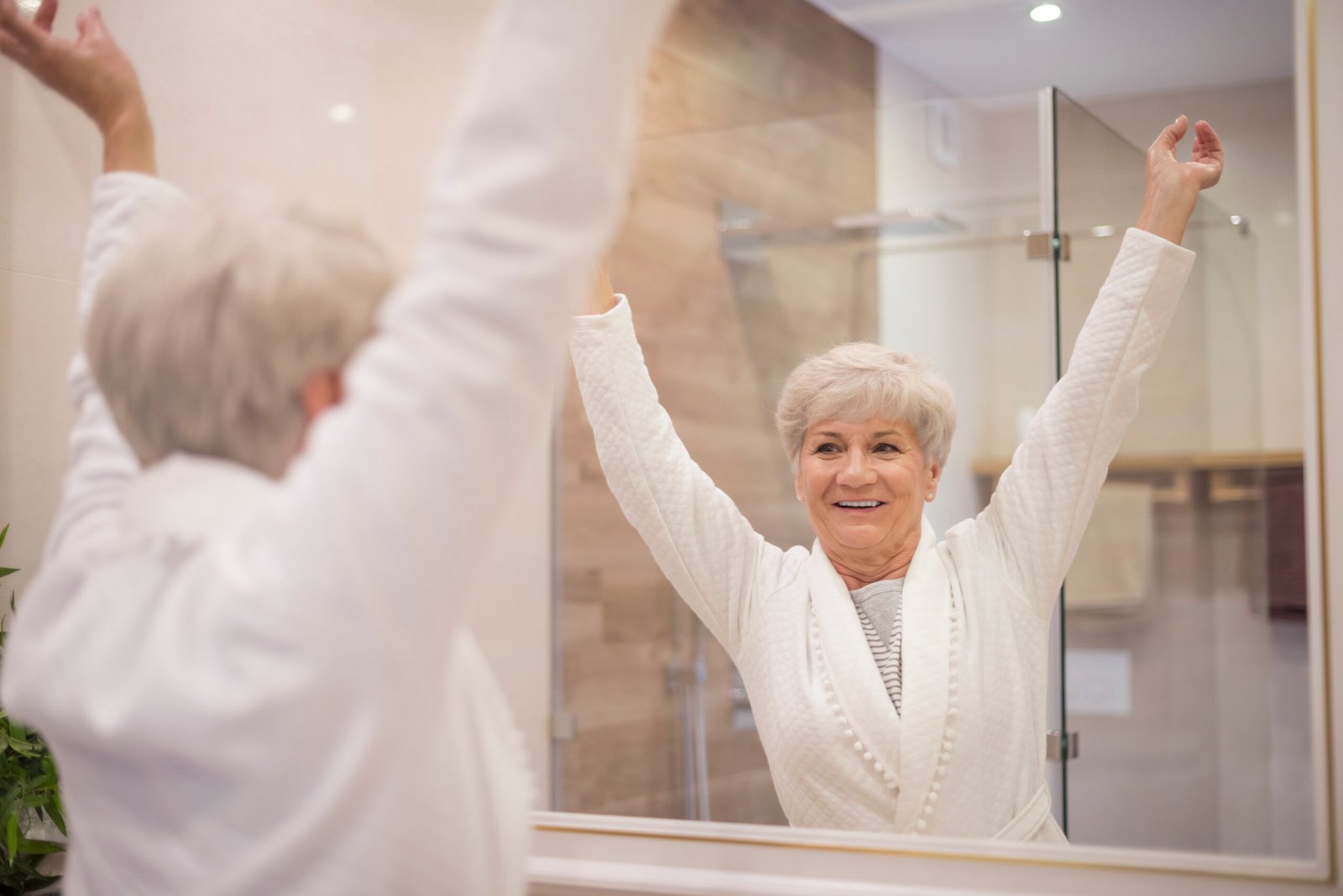
Aging is a natural and inevitable part of life, yet the years after 60 often bring unique physical and emotional shifts that require thoughtful adjustment. This stage is not merely about managing decline; it is about learning how to adapt, grow, and maintain balance. With the right perspective and support, older adults can strengthen emotional resilience while caring for their changing bodies, leading to a fulfilling and meaningful later life.
Understanding Physical Changes After 60
As the body ages, changes in energy, strength, and mobility become more noticeable. Paying attention to physical health becomes essential, as it directly influences independence, confidence, and overall quality of life. Regular movement, adequate rest, balanced nutrition, and medical check-ups help older adults remain active and engaged. Accepting these physical changes without judgment allows individuals to work with their bodies rather than against them.
Emotional Responses to Aging
Alongside physical changes, emotional reactions often emerge. Many individuals experience anxiety related to health concerns, financial security, or fears of becoming dependent on others. These feelings are not uncommon and reflect the mind’s attempt to cope with uncertainty. Recognizing emotional responses as valid and temporary helps prevent them from becoming overwhelming.
Family Dynamics and Shifting Relationships
Family roles frequently evolve after 60. Adult children may take on caregiving roles, or family structures may change due to relocation or lifestyle differences. A family problem can develop when expectations are unclear or communication becomes strained. Open conversations, empathy, and mutual respect are key to maintaining healthy family relationships during this phase of life.
Coping With Loss and Life Transitions
Later adulthood often includes experiences of grief and loss, such as the death of loved ones, declining abilities, or the loss of familiar routines. These transitions can deeply affect emotional well-being and self-identity. Allowing oneself to grieve, seeking emotional support, and finding ways to honor past connections can help individuals move forward with acceptance and inner strength.
Building Emotional Strength Through Purpose
One of the most powerful tools for emotional balance is cultivating resilience—the ability to adapt to challenges and recover from setbacks. Purpose plays a vital role in this process. Engaging in goal setting, whether related to hobbies, learning, volunteering, or personal growth, provides structure and motivation. Purpose-driven activities help older adults feel valued and connected to the world around them.
Growth, Learning, and Personal Development
Aging does not mean the end of growth. Many older adults embrace self-improvement by exploring interests they once postponed, such as creative pursuits, spiritual practices, or new skills. This phase of life offers freedom from earlier pressures, allowing individuals to focus on fulfillment rather than achievement.
Managing Emotional Pressure Effectively
Despite greater life experience, emotional challenges do not disappear with age. Health concerns, financial responsibilities, or caregiving roles can create stress. Developing healthy coping strategies and practicing effective emotion control allows individuals to respond calmly rather than react impulsively. Emotional regulation supports mental clarity and strengthens relationships
Cultivating Awareness and Inner Calm
Practices such as mindfulness help older adults stay grounded in the present moment. Simple techniques like deep breathing, gentle stretching, or reflective journaling can reduce emotional reactivity and promote a sense of inner peace. Awareness-based practices encourage acceptance and emotional balance, even during difficult periods.
The Role of Community and Organisational Support
Strong support systems significantly enhance quality of life after 60. Community programs, social engagement, and professional services help older adults maintain independence and dignity. Organisations recognised as the Top NGO of India often play a vital role in improving senior well-being through advocacy, education, and support initiatives. Specialised services focused on geriatric care address the unique physical and emotional needs of aging individuals. A reliable ngo for elder care may offer health assistance, companionship programs, and opportunities for social connection, reducing isolation and enhancing daily functioning.
Mental and emotional well-being deserve equal attention. A trusted mental health foundation can provide counselling, awareness programs, and emotional support tailored to older adults. Similarly, an ngo for mental health helps reduce stigma, promote emotional resilience, and ensure access to psychological care during later-life transitions.
Contributions: Dr. R.K. Suri, Clinical Psychologist, and Ms. Mahima Mathur, Counselling Psychologist
REFERENCES:
https://www.psychowellnesscenter.com/Blog/5-simple-habits-of-emotionally-resilient-people
American Psychological Association. (2018). Aging and mental health. https://www.apa.org/topics/aging/mental-health
Creswell, J. D. (2017). Mindfulness interventions. Annual Review of Psychology, 68, 491–516. https://doi.org/10.1146/annurev-psych-042716-051139
National Institute on Aging. (2019). Social isolation and loneliness in older adults: Opportunities for the health care system. https://www.nia.nih.gov/health/social-isolation-loneliness