
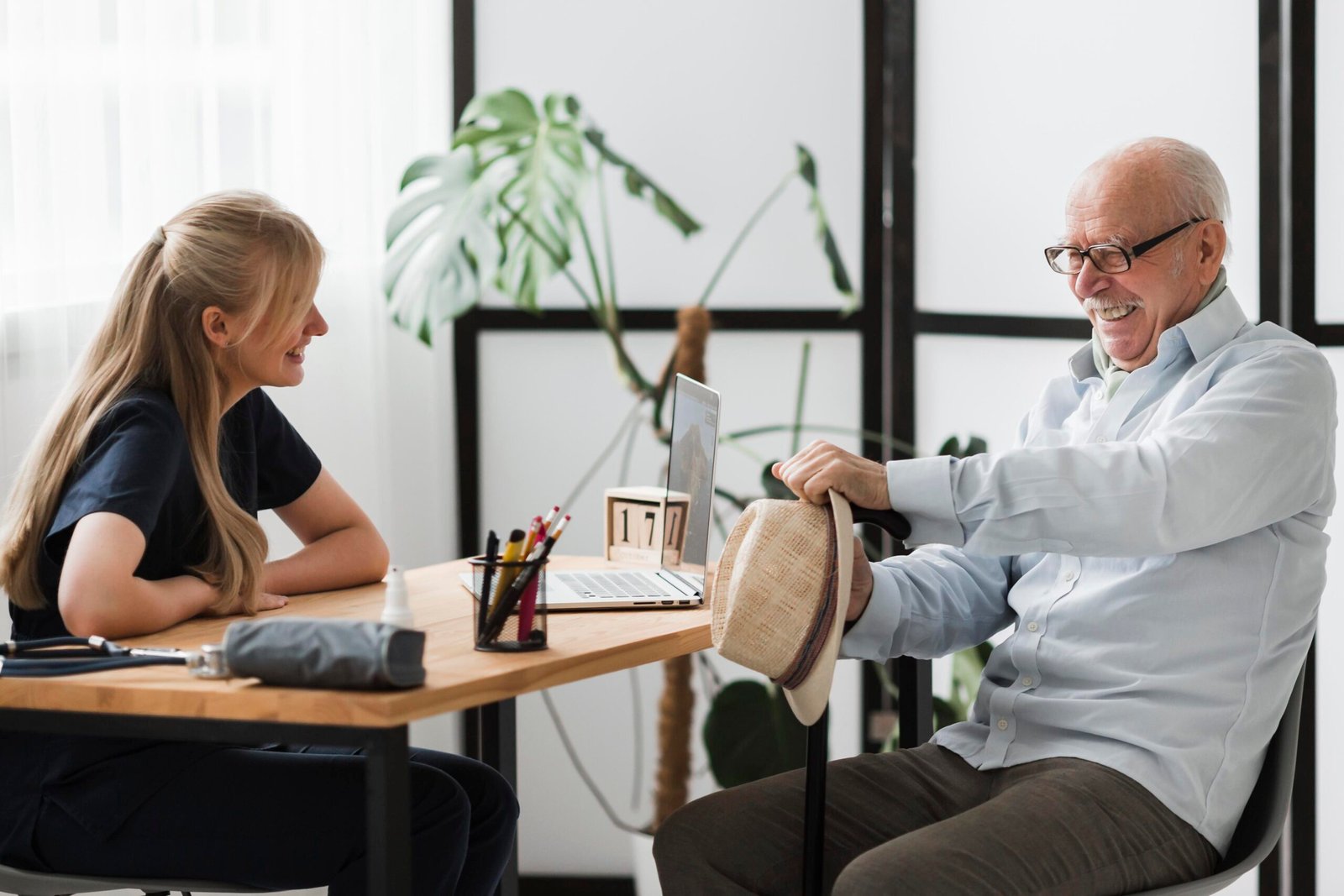
Aging is often viewed through a physical lens slower movement, health conditions, and changing energy levels. However, the emotional and psychological aspects of aging are just as significant. As people grow older, they face unique mental health challenges shaped by life transitions, losses, and shifting roles. Geriatric counseling focuses on supporting emotional well-being in later life, proving that therapy is not limited by age and remains valuable at every stage of human existence.
Understanding Geriatric Counseling
Geriatric counseling is a specialized form of therapy designed to address the emotional, cognitive, and psychological needs of older adults. It recognizes that aging brings not only wisdom and experience but also stressors such as declining health, bereavement, social isolation, and identity changes after retirement.
Unlike common misconceptions, therapy for older adults is not about “fixing” aging. Instead, it helps individuals adapt to changes, process emotions, and maintain a sense of purpose and self-worth. Counseling provides a safe space for seniors to express feelings that may otherwise remain unspoken.
Why Mental Health Support Is Crucial in Later Life
Older adults often experience multiple losses within a short span of time: the loss of loved ones, professional identity, physical independence, or familiar routines. These experiences can accumulate, leading to sadness, anxiety, or emotional numbness. Without support, such feelings may be dismissed as a normal part of aging, even when they significantly affect quality of life.
Therapy helps older adults understand that emotional distress is not a personal weakness. By normalizing emotional struggles, counseling empowers seniors to seek help without shame and develop healthier coping strategies.
Breaking the Myth: Therapy Is Only for the Young
One of the most harmful myths surrounding mental health is that therapy is primarily for young people. In reality, emotional challenges do not disappear with age; they simply change form. Older adults may struggle less with identity exploration and more with grief, loneliness, or fear of dependency.
Geriatric counseling addresses these concerns with age-sensitive approaches that respect life experience and autonomy. Therapy becomes a space for reflection, meaning-making, and emotional healing, reinforcing the idea that growth and self-discovery continue throughout life.
Emotional and Cognitive Benefits of Counseling
Geriatric Counseling supports emotional regulation by helping seniors process complex feelings such as regret, guilt, or unresolved conflicts. Talking through past experiences can bring emotional closure and relief. Therapy also strengthens coping skills, allowing older adults to manage stress and uncertainty more effectively.
Cognitively, therapy provides mental stimulation through conversation, problem-solving, and reflection. This engagement can support clarity, focus, and emotional balance, particularly during periods of transition or health-related stress.
The Role of Social Connection in Therapy
Social isolation is a major risk factor for mental health challenges in older adults. Counseling often acts as a bridge back to social engagement by restoring confidence and emotional openness. Group therapy or community-based counseling encourages shared experiences, reducing feelings of loneliness and invisibility.
Many families searching for accessible mental health support for elderly loved ones begin by looking for an Ngo near me, emphasizing the importance of nearby and approachable services. Local counseling initiatives help older adults feel comfortable seeking help within familiar environments.
Community and Organizational Support Systems
Effective mental health care for seniors extends beyond individual therapy sessions. A compassionate Non-profit organisation plays a critical role in providing counseling services, awareness programs, and outreach initiatives for older adults. These organizations help normalize therapy and reduce stigma surrounding mental health in aging populations.
At a broader level, a dedicated mental health foundation supports research, education, and policy development focused on emotional well-being across the lifespan. Such institutions advocate for integrated mental health services that address the unique needs of older adults.
In India, several organizations recognized as the Best NGO in India or the Top NGO of India actively work to improve mental health accessibility for seniors. Their holistic programs often combine counseling, community engagement, and family education, reinforcing the importance of emotional care in later life.
Integrating Therapy with Physical Health Support
Mental and physical health are deeply interconnected, especially in older adulthood. Chronic illness, pain, or mobility limitations can significantly affect emotional well-being. Counseling complements medical treatment by helping individuals cope emotionally with health challenges and lifestyle changes.
An integrated approach to geriatric care acknowledges that emotional resilience supports physical health outcomes. When older adults feel emotionally supported, they are more likely to adhere to treatment plans, maintain healthy routines, and communicate openly about their needs.
Family Involvement in Geriatric Counseling
Families play an essential role in the success of geriatric counseling. Therapy often includes guidance for family members on communication, emotional validation, and respectful support. When families understand the emotional experiences of aging, relationships become more empathetic and balanced.
Involving older adults in decisions about their care reinforces autonomy and dignity. Geriatric counseling helps families navigate these conversations with sensitivity, reducing conflict and emotional strain.
When Should Older Adults Seek Therapy?
There is no “right age” or single trigger for therapy. Older adults may benefit from geriatric counseling when they experience persistent sadness, anxiety, irritability, sleep disturbances, or withdrawal from activities they once enjoyed. Therapy is equally valuable during life transitions such as retirement, bereavement, or major health changes.
Importantly, geriatric counseling is not only for crises. Many seniors seek therapy for personal growth, emotional clarity, or support in finding meaning and peace in later life.
Conclusion
Geriatric counseling demonstrates that therapy truly matters at any age. Emotional well-being does not diminish with years; it evolves, requiring understanding, compassion, and support. By addressing the emotional challenges of aging through geriatric counseling, individuals can navigate later life with resilience, dignity, and purpose. When families, communities, and institutions work together to promote mental health, aging becomes not a period of silent struggle, but a stage of continued emotional growth and connection.
Contributions: Dr R.K. Suri, Clinical Psychologist, and Ms. Tanu Sangwan , Counselling Psychologist
References
https://www.psychowellnesscenter.com/Blog/exploring-the-benefits-of-geriatric-counseling
https://www.psychowellnesscenter.com/Blog/the-impact-of-geriatric-psychotherapy-on-well-being
- World Health Organization. (2021). Mental health of older adults. WHO Press.
- Blazer, D. G. (2020). Depression in late life (2nd ed.). Springer Publishing.
- National Institute on Aging. (2022). Mental health and aging. U.S. Department of Health & Human Services.
- Erikson, E. H. (1998). The life cycle completed. W. W. Norton & Company.
- Ryff, C. D., & Singer, B. (2008). Know thyself and become what you are. Journal of Happiness Studies, 9(1), 13–39.