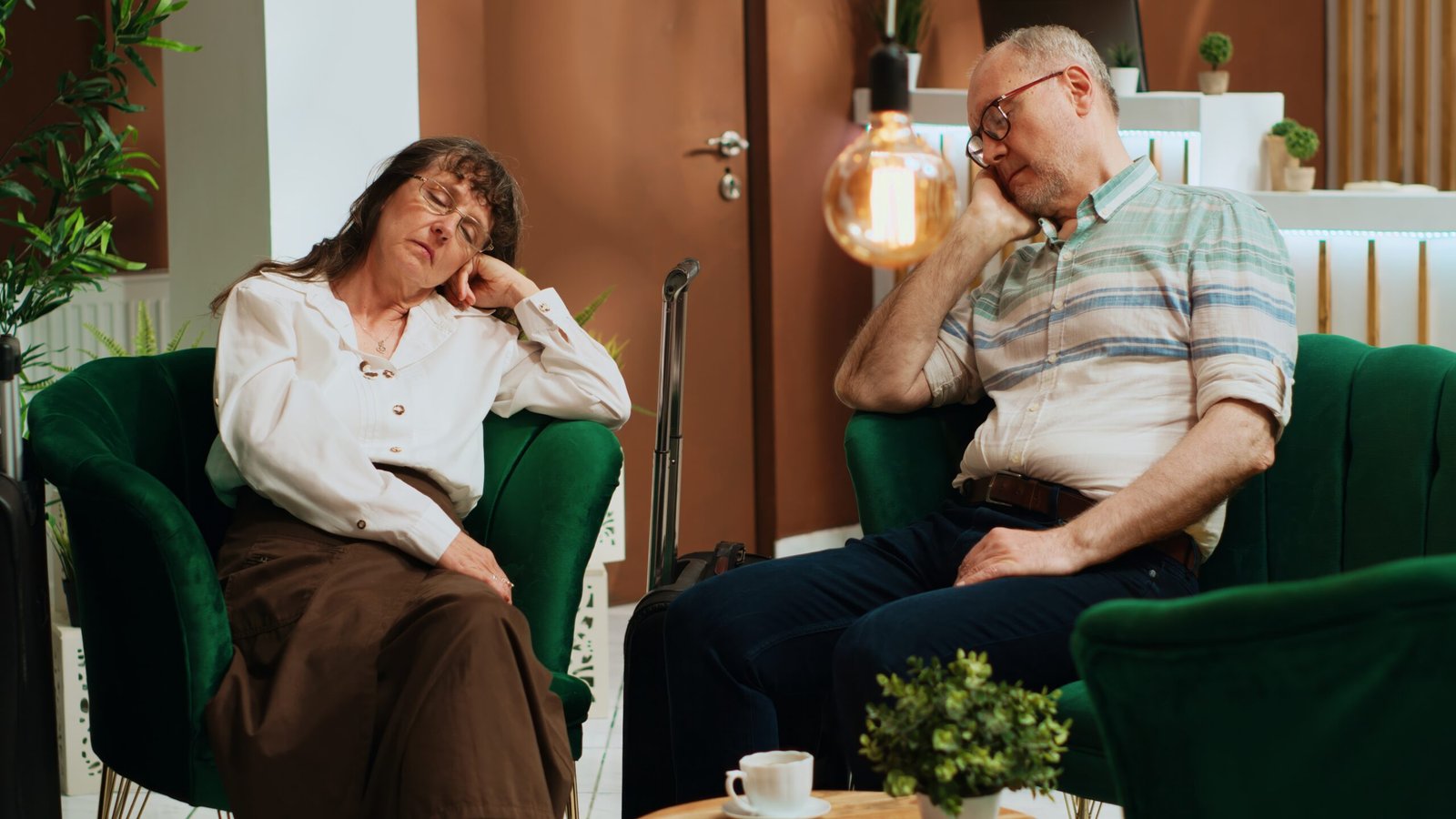
In our society, the later years of life are often envisioned as a time of peaceful slowing down—a “sunset” period defined by leisure and the absence of responsibility. However, this romanticized view often masks a much more complex and quiet reality. For many seniors, the transition into older adulthood involves a series of internal battles that are rarely discussed openly. While we are quick to check on a senior’s blood pressure or mobility, we often overlook the invisible weight they carry in their hearts and minds. These silent struggles—impacting their mental health—are frequently buried under a sense of duty or a fear of being a burden, leaving many to navigate profound emotional shifts in total isolation.
Our foundation focuses on the emotional safety and mental health of elders, recognizing it as central to overall well-being. We provide a platform to voice the “unspeakable” struggles of aging, breaking the silence often surrounding seniors. Our mission is to ensure later life is marked not by quiet suffering, but by dignity, support, and a community that values their mental health and inner peace.
The Invisible Weight: Beyond the Physical
When we think of aging, the mind immediately jumps to the decline of the body. Yet, the most significant hurdles are often psychological. These struggles are often “silent” because they are frequently mislabeled as natural signs of ageing or are concealed by seniors themselves to maintain a facade of strength.
- The Lingering Shadow of the Past: Some individuals enter their senior years while still grappling with the unresolved echoes of a midlife crisis. The transition into aging can reignite old questions about purpose and achievement, leading to a profound sense of low motivation if those questions remain unanswered.
- The Erosion of Worth: As social roles change, many seniors experience a devastating drop in self-esteem. When you are no longer the “provider” or the “decision-maker,” the mind can struggle to find a new sense of value, leading to an internal withdrawal.
- The Fear of the Unseen: A constant, buzzing anxiety often develops regarding future health, financial stability, or the well-being of adult children. Unlike the acute worries of youth, this is a chronic, low-level dread that saps mental energy.
The Three Pillars of Silent Suffering
To understand why these struggles go unaddressed, we must look at the specific psychological pillars that define the “silent” experience of aging.
1. The Paradox of Presence and Loneliness
A senior can be surrounded by family and still experience crushing loneliness. This is the “subjective” isolation that occurs when a person feels their thoughts and feelings are no longer relevant to the world around them. When a senior feels they are merely a “task” to be managed by their family, the emotional relationship with their loved ones becomes strained, creating a vacuum where intimacy used to be.
2. The Exhaustion of Maintenance
We rarely talk about geriatric burnout. This is the mental exhaustion that comes from the constant effort of managing chronic ailments and the fear of increasing dependence. The senior is working a “full-time job” just to stay functional, and when the effort becomes too much, it often manifests as uncharacteristic outbursts of anger or irritability.
3. The Nighttime Echo
The quietest hours are often the loudest for the mind. Difficulties with sleep are frequently a symptom of underlying distress. A mind that cannot find peace during the day will ruminate at night, leading to a cycle of nocturnal restlessness and daytime fatigue that further compromises their physical health.
Breaking the Stigma: From Silence to Support
The primary reason these struggles remain “silent” is the stigma associated with mental health in the older generation. Many seniors grew up in an era where emotional struggles were viewed as a sign of weakness.
- Identifying the Signal: When a senior becomes unusually quiet, stops eating, or loses interest in hobbies, it is often a sign of late-life depression. It is not “just aging”—it is a clinical condition that deserves treatment.
- The Stress of Transition: The move from independence to needing help is a massive psychological stress event. It requires a specialized form of care that focuses on empowering the senior rather than just “taking over” for them.
- The Power of Community: Overcoming social isolation requires more than just a phone call; it requires structured social engagement where seniors feel they are contributing members of a group.
The Role of Specialized Advocacy
Addressing the silent struggles of aging requires a support system that bridges the gap between the medical clinic and the community heart.
- Redefining Care: As a dedicated NGO for elder care, the Global Development Foundation (GDF) focuses on the “unseen” needs of the elderly. We believe that mental health is a fundamental pillar of geriatric wellness.
- A National Voice: Functioning as a non-profit organisation, our mission is to advocate for better psychological support for seniors across the country. We work to ensure that every senior has a safe space to discuss their fears and frustrations.
- Holistic Health Initiatives: Being a leading NGO for mental health, we provide resources that help families identify the early red flags of emotional distress in their loved ones.
- Excellence in Service: Our commitment to these silent warriors has positioned us as the best NGO in India for integrated senior support, where we treat mental health and overall health with as much urgency as the body.
5 Pointers to Encourage Open Dialogue
- Ask Open-Ended Questions: Instead of “Are you okay?” try “What has been on your mind lately?” This gives the senior permission to share their internal world.
- Validate the Frustration: Acknowledge that losing autonomy is hard. Validating their feelings reduces the anger that often comes from feeling patronized.
- Monitor the “Small” Changes: Pay attention to shifts in hygiene or home maintenance. These are often the first outward signs of internal depression.
- Encourage Legacy Building: Help them document their stories or teach a skill. This reinforces their self-esteem and reminds them of their value.
- Normalize Professional Help: Frame therapy or counselling as “mental maintenance” rather than a sign of “being crazy.”
Conclusion: A Collaborative Echo of Hope
The silent struggles of our elders are a call to action for every family and community. By choosing to talk about the “untalkable,” we strip away the shame and replace it with a pathway to healing. At the Global Development Foundation (GDF), we are proud to be at the forefront of this movement, ensuring that the later years of life are supported by a robust network of care. As a leading best NGO in India, GDF provides the specialized geriatric support and community-based advocacy that seniors need to feel heard and valued.
This vision of holistic well-being is brought to life through our deep collaboration with the Psychowellness Center and TalktoAngel. While GDF handles the community heart and specialized elder initiatives, the Psychowellness Center provides the clinical expertise needed to address complex emotional hurdles through professional therapy. For those who cannot travel or prefer the privacy of their own space, TalktoAngel offers seamless online support, ensuring that professional guidance is always within reach. Together, we provide a comprehensive solution that transforms silent suffering into a vibrant, supported, and dignified life for every senior.
Contribution: Dr. R.K. Suri, Clinical Psychologist, and Mr. Umesh Bhusal, Counselling Psychologist
References:
- Carstensen, L. L. (2006). The Influence of a Sense of Time on Human Development. Science.
- Moniz-Cook, E. D., & Manthorpe, J. (2009). Early Psychosocial Interventions in Later Life. Jessica Kingsley Publishers.
- Seligman, M. E. P. (2011). Flourish: A Visionary New Understanding of Resilience. Free Press.
- World Health Organization (WHO). Mental Health and Older Adults: Beyond the Physical. [who.int]
- American Psychological Association (APA). Depression and Anxiety in Older Adults. [apa.org]